7 Mistakes You’re Making with Late-Cycle Political Ad Spending (and How to Fix Them)
7 Mistakes You’re Making with Late-Cycle Political Ad Spending (and How to Fix Them)
![[HERO] 7 Mistakes You’re Making with Late-Cycle Political Ad Spending (and How to Fix Them)](https://cdn.marblism.com/E9FNVv6z3I-.webp)
The final weeks of a campaign are a pressure cooker. You’ve got limited resources and unlimited goals. In the "October Panic," logic often flies out the window in favor of lighting money on fire just to "do something." You see the finish line, the polls are tightening, and suddenly, a six-figure check to a traditional media buyer for a "last-minute TV blitz" seems like the only way to save the race.
It’s usually the worst move you can make.
At Turn It Blue Ads, we’ve helped hundreds of campaigns navigate these waters with an 85% win rate for clients using our platform. We were even named the Best Political Service Team of 2025 by Campaigns & Elections Magazine. We’ve seen exactly where the money goes to die in the final 21 days.
Here’s why your late-cycle spending might be failing you: and exactly how to pivot to a strategy that actually moves the needle.
1. Burning Cash on "Ghost Voters" (Those Who Already Voted)
This is the single biggest leak in political budgets today. In many states, 40% to 60% of the electorate has already cast their ballot by the time your most expensive ads hit the air. If you are still running persuasion ads to a person who mailed their ballot ten days ago, you aren't campaigning; you're donating to a media conglomerate.
The Fix: You need real-time data integration. Most campaigns wait for "the list" to update once a week. That’s too slow. Our platform integrates with partners like L2 and Tunnl to automatically exclude voters that already returned their ballot in the run up to Election Day.
By shifting that "wasted" budget toward voters who haven't shown up yet, you effectively double your reach in the final week without spending an extra dime.
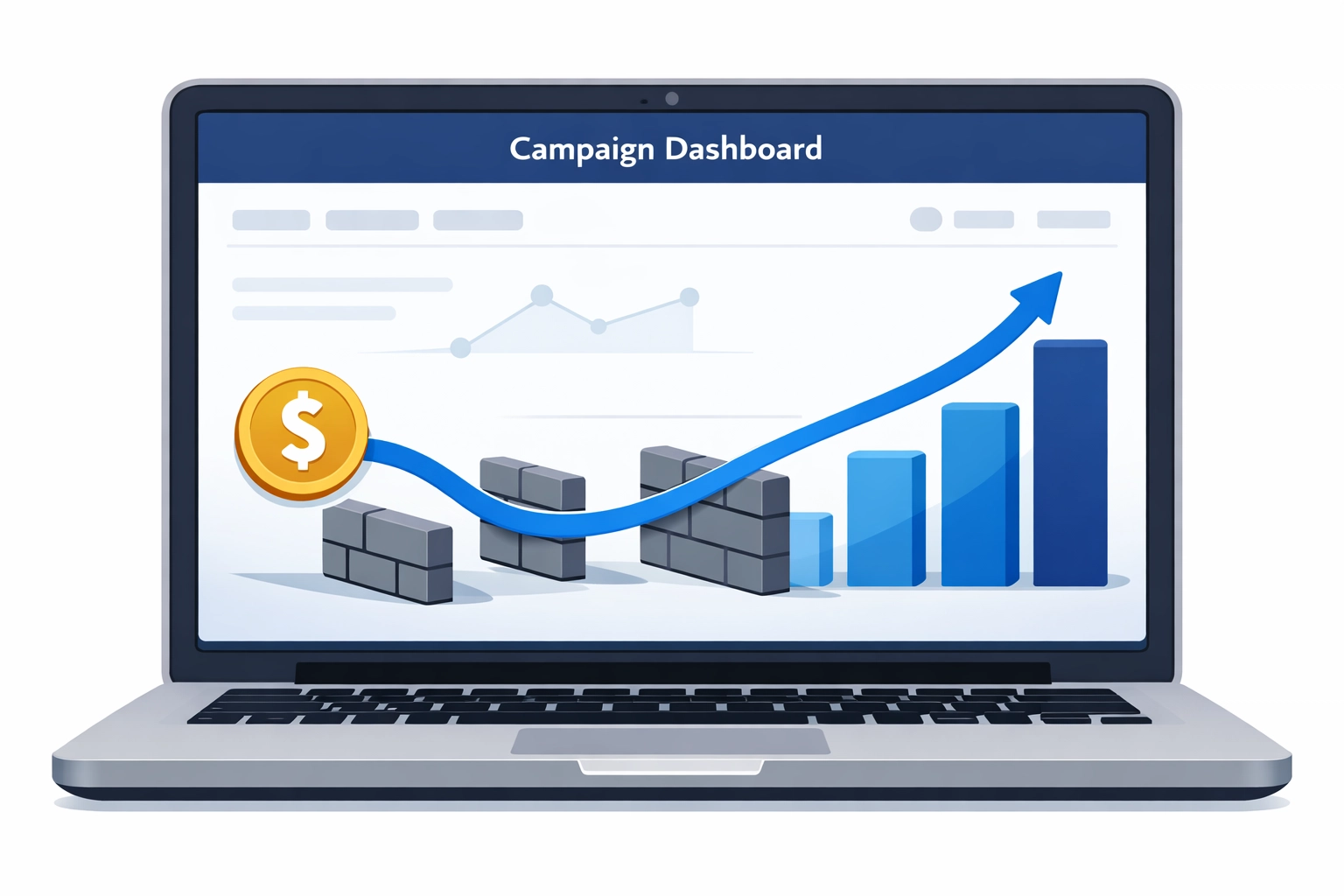
2. The "Middleman Tax" and Outrageous Markups
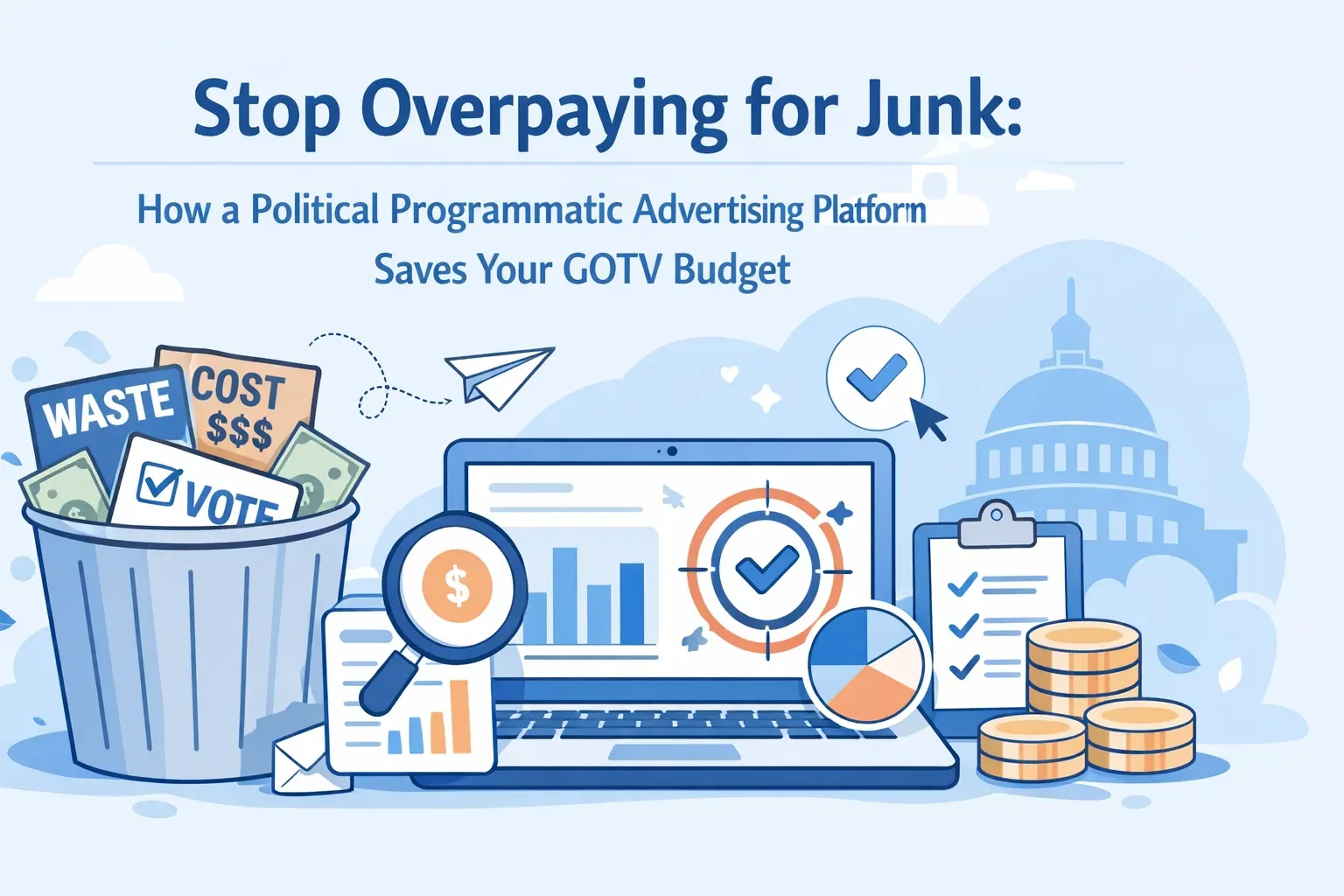
When you go through a traditional consultant for late-cycle buys, you aren't just paying for the ad space. You’re paying for their overhead, their commission, and the "emergency fee" they tack on for a quick turnaround. Often, these fees eat up 15-30% (or more!) of your total reach before a single voter sees an ad.
The Fix: Move to a self-serve model. Turn It Blue Ads is a full programmatic suite that puts the tools directly in your hands. There are no hidden consultant markups. Whether you have $50,000 or are just starting with our $500 minimum, every dollar goes toward inventory, not administrative bloat. In a world where campaigns compete on budget, efficiency is your greatest weapon.
3. Ignoring the Full Programmatic Suite (Beyond Just CTV)
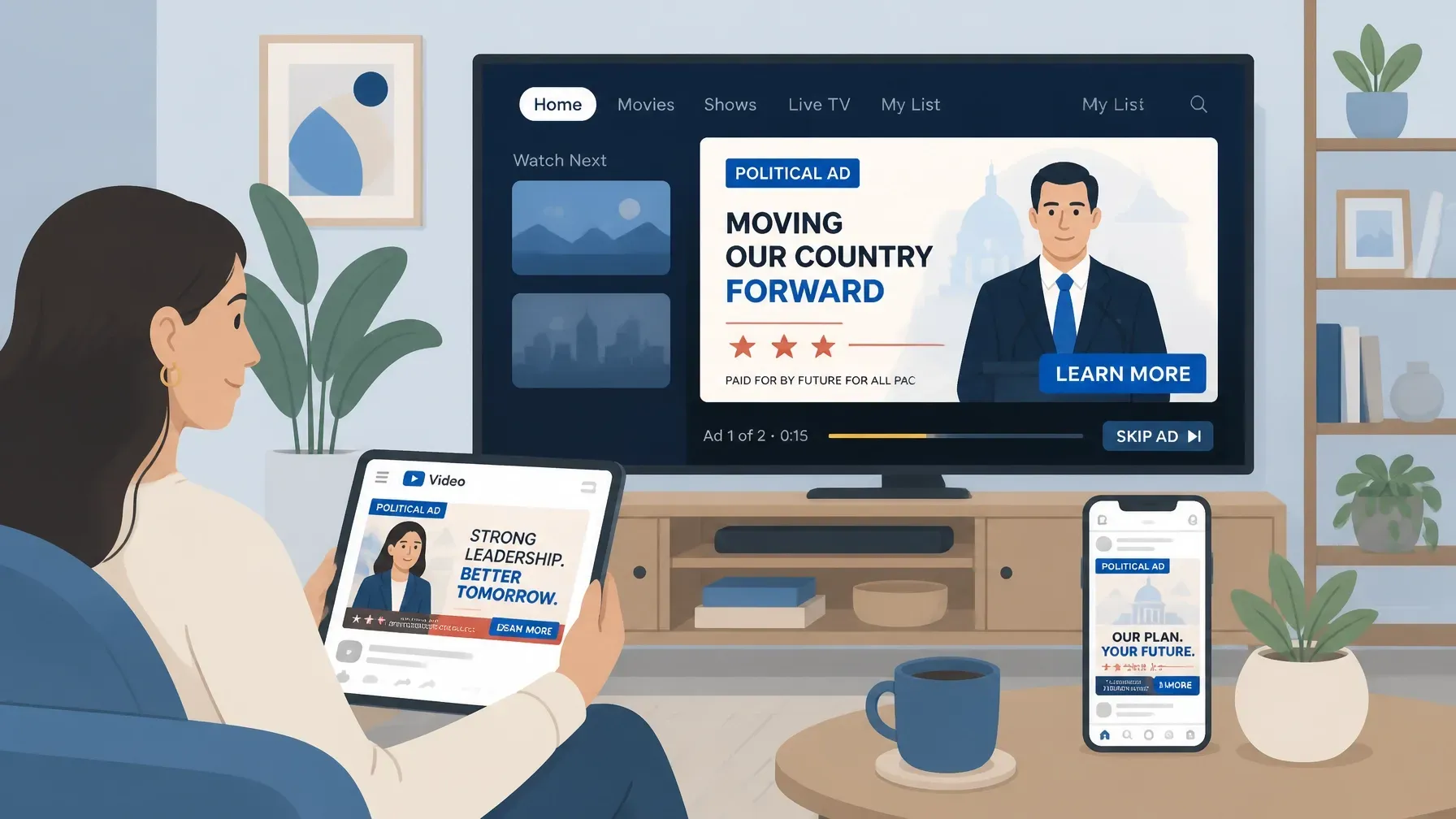
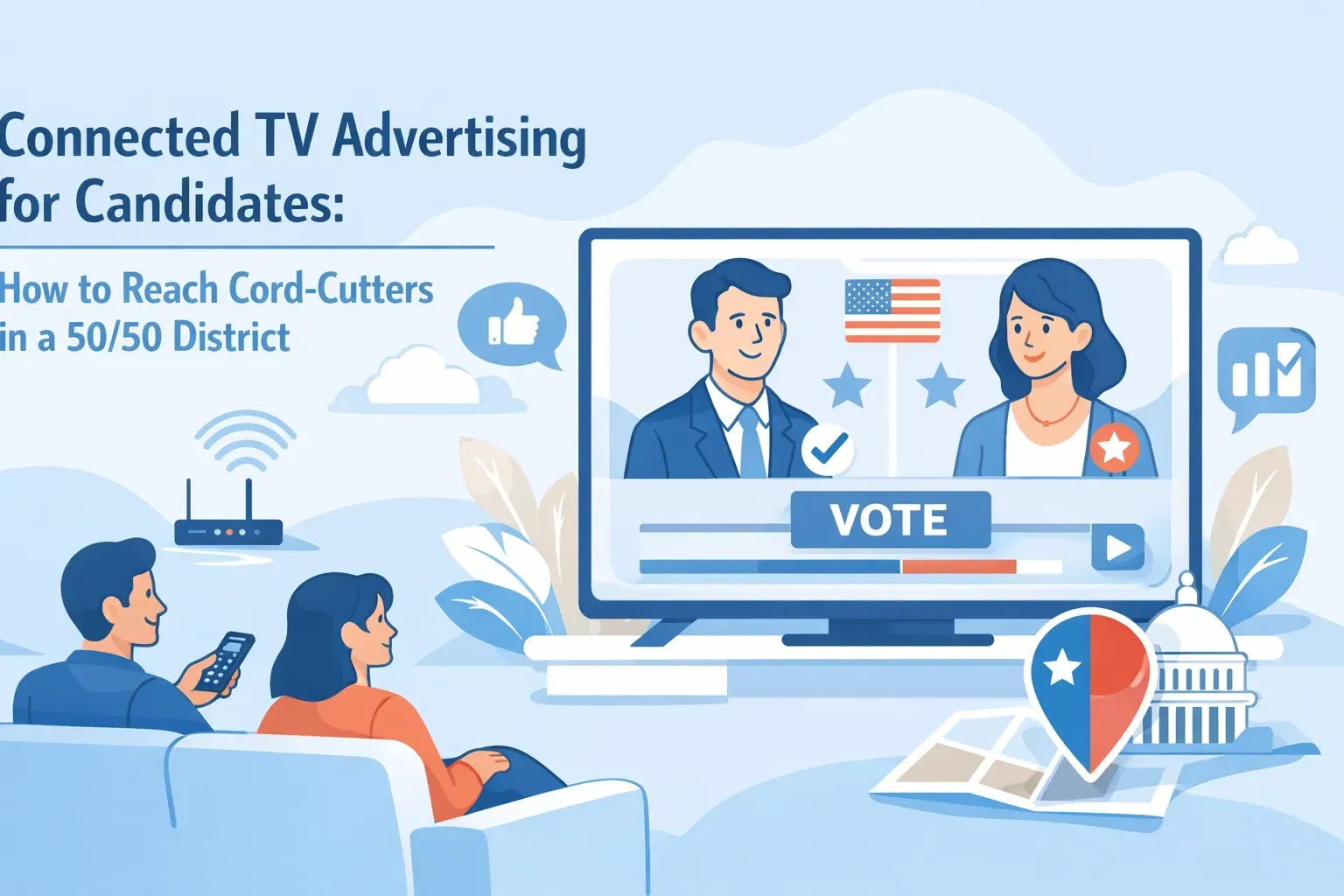
Everyone wants to be on the big screen. We get it. Connected TV (CTV) is powerful, but it’s not the only way to reach a voter. In the final cycle, voters are on their phones checking results, listening to podcasts during their commute, and scrolling local news sites. If you’re only buying CTV, you’re missing the other 18 hours of their day.
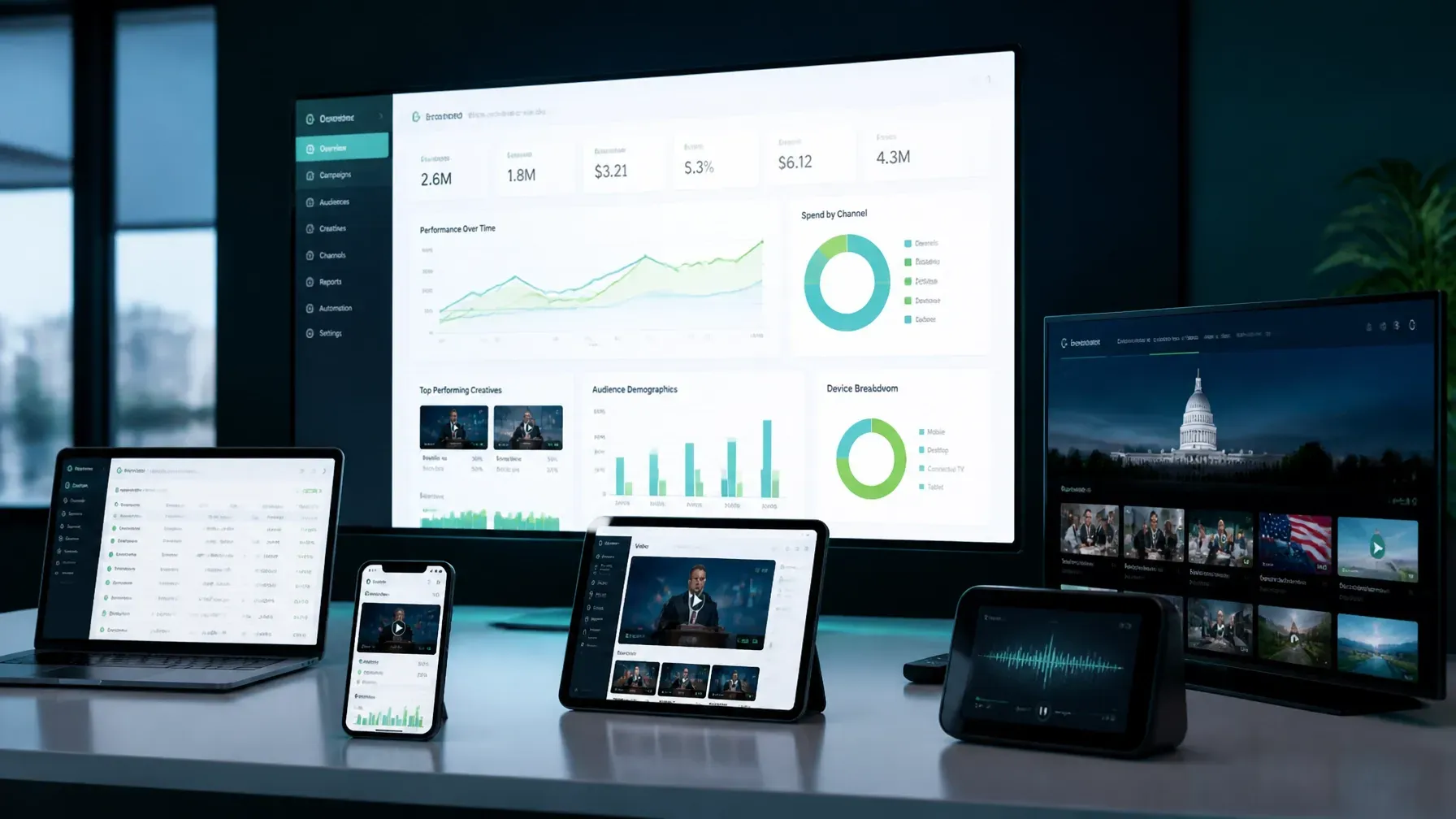
The Fix: Diversify. A winning late-cycle strategy uses programmatic advertising to create a surround-sound effect.
- Display Ads: High-frequency reminders on news sites.
- Online Video (OLV): Pre-roll ads on YouTube and local media.
- Digital Audio: Reaching voters on Spotify or iHeartRadio while they’re on the way to the polls.
When you hit a voter across multiple devices, you aren't just an ad: you're a constant presence.
4. Frequency Disparities: Hammering the Same 1,000 People
We’ve all seen it: a campaign spends heavily but only reaches a tiny segment of their target list 50 times each. Meanwhile, the other 90% of the "must-win" audience sees the ad once—or not at all. This happens because of poor inventory management and a lack of frequency capping.
The Fix: Use AI-driven optimization. Our platform doesn’t just "dump" ads; it balances them. We recommend hitting your target audience between 8-20 times for maximum persuasion. Once a voter reaches that threshold, our AI algorithms automatically shifts those impressions to the next person on your list who hasn't seen the message yet. It’s about measuring voter influence, not just counting raw impressions.
5. The "Set It and Forget It" Fallacy
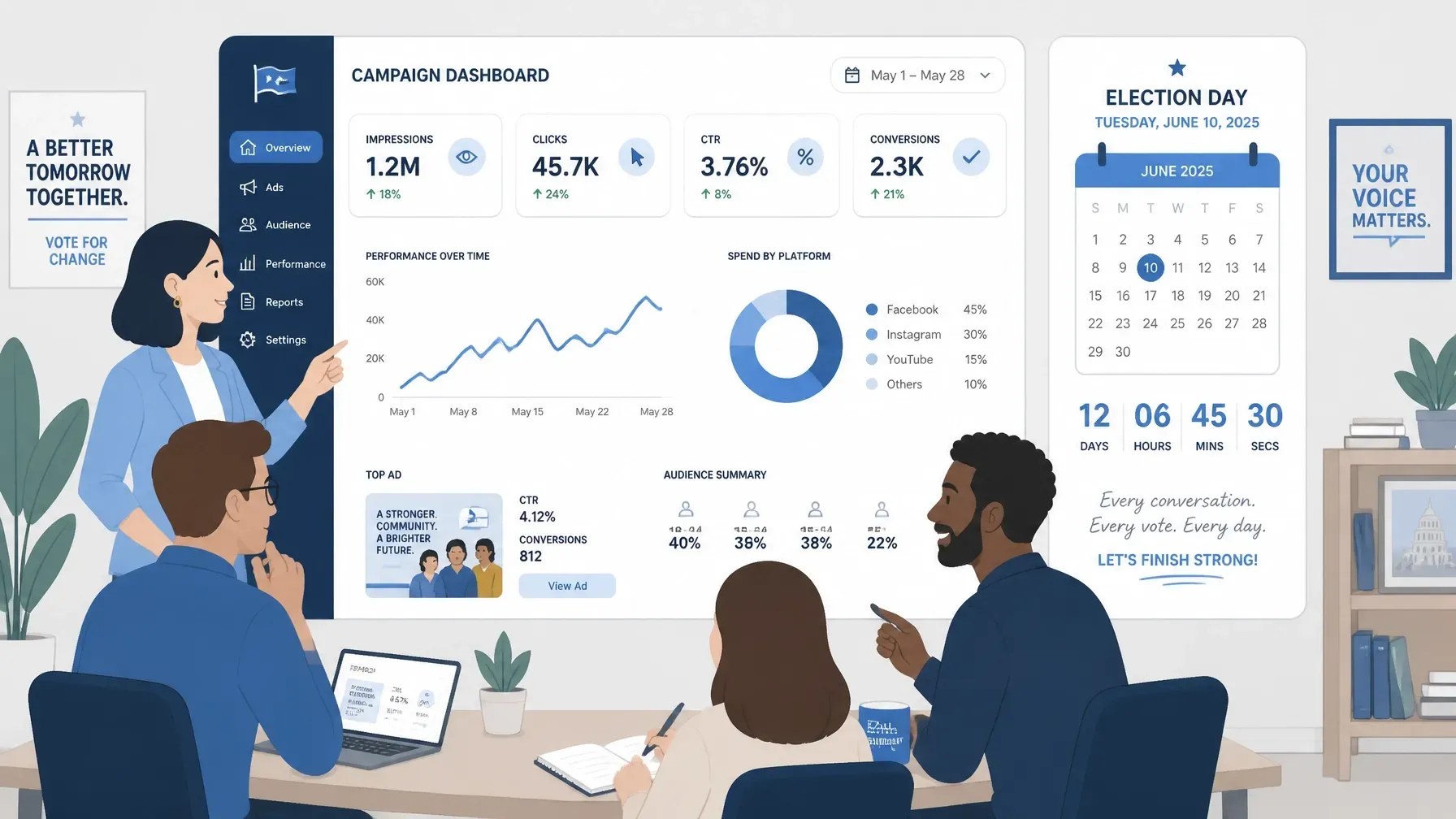
The political landscape changes every six hours in October. A new headline breaks, an opponent drops a negative mailer, or early return data shows you’re lagging in a specific zip code. If your digital buy is locked in for the next 14 days with no ability to change, you're a sitting duck.
The Fix: Agility is king. Because Turn It Blue Ads is a self-serve platform, you can swap out creative or adjust your targeting in real-time. If you need to pivot from a "healthcare" message to a "get out the vote" message, you don't need to wait for a consultant to return your call. You just log in and do it.

6. Overpaying for Premium "Brand Name" Inventory
Campaigns often insist on being on specific, high-profile sites or networks, thinking that’s where the "prestige" is. The reality? A voter is the same person whether they’re on a major news network’s app or playing a game on their phone. Programmatic allows you to follow the voter , not the publisher.
The Fix: Trust the data and the algorithm. By using a meta-DSP approach, we access inventory across the entire internet. This adds up to thousands of extra impressions over the course of a campaign.
7. Slow Turnaround Killing Momentum
In a local race, 48 hours is an eternity. If it takes your agency two days to "traffic" a new ad, the news cycle has already moved on. You need your message to hit screens the moment the opportunity arises.
The Fix: Instant launching. Our platform is designed for the speed of modern politics. From the moment you upload your creative to our creative portfolio and hit "launch," your ads can be live in a matter of minutes. This speed allows you to react to attacks or capitalize on endorsements while they are still trending.
The Bottom Line: Efficiency Wins Elections
You don't need a million-dollar budget to run a professional, high-impact digital campaign. You just need to stop making the mistakes that traditional media buying encourages. By cutting out the middleman, using data-driven targeting through partners like Tunnl , and leveraging a full suite of programmatic tools, you can ensure that every cent of your late-cycle spending is working toward that final tally.
Are you ready to stop overpaying for junk and start winning?
Key Takeaway:
- Stop wasting money on people who have already voted.
- Start using an omni-channel approach (CTV, Display, Video, Audio).
- Ensure you have the flexibility to change your strategy in minutes, not days.
With a $500 minimum, there is no reason any campaign: from school board to Senate: should be left behind in the digital age.
Share this Content!