Linear TV vs. Political Streaming TV Advertising: Which Is Better for Your 2026 Budget?
Linear TV vs. Political Streaming TV Advertising: Which Is Better for Your 2026 Budget?
![[HERO] Linear TV vs. Political Streaming TV Advertising: Which Is Better for Your 2026 Budget?](https://cdn.marblism.com/pvKfp81tJKv.webp)
It’s Tuesday night in October 2026. Your candidate is locked in a dead heat. You’ve got $50,000 left in the war chest, and the pressure is on to make every single cent count. Do you dump it all into a 30-second spot on the local evening news, or do you flood the Roku and Hulu screens of every undecided voter in your district?
This is the billion-dollar question facing campaigns as we head into the 2026 midterms. The landscape has shifted, dramatically. While traditional consultants will tell you that "broadcast is king," the data tells a much more nuanced story. In 2026, the "old way" of buying TV isn't just expensive; it’s increasingly becoming a way to light money on fire.
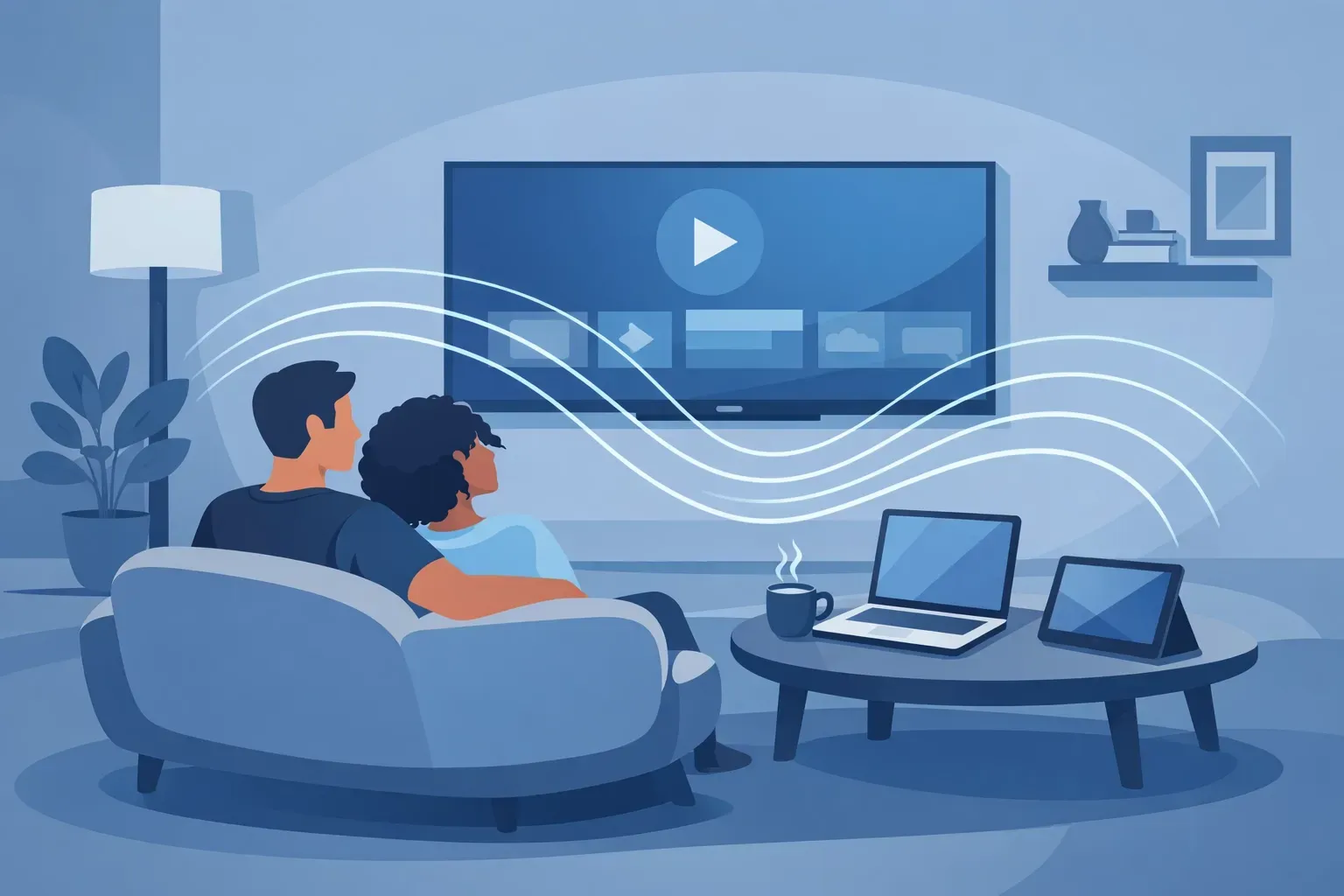
Here’s the reality: your voters aren’t sitting around waiting for the 6:00 PM news anymore. They’re cord-cutting, they’re binging series on-demand, and they’re harder to find than ever before. If you want to win, you have to go where they are, without breaking the bank.
The Linear TV Trap: High Costs, Low Precision
Let’s talk about the elephant in the room: Linear TV (broadcast and cable) is getting more expensive while reaching fewer people. In the 2026 cycle, broadcast and cable are projected to capture over $5 billion in political spend. That massive influx of cash creates a supply-and-demand nightmare.
When every Super PAC and congressional candidate tries to buy the same "prime" inventory, prices skyrocket. You end up paying "political rates" that are triple what a local car dealership pays for the same slot.
Here’s why Linear TV is a gamble for your 2026 budget:
- The "Spray and Pray" Problem: When you buy a broadcast spot, you’re paying to reach everyone in the DMA (Designated Market Area). If you’re running for a State House seat that only covers 10% of that DMA, you are paying to advertise to 90% of people who literally cannot vote for you. That is the definition of wasted spend.
- Zero Flexibility: Once you’ve booked your linear flight, you’re usually locked in. If the news cycle shifts or your opponent drops a hit piece, you can’t pivot your creative on a dime.
- Lagging Reports: You won’t truly know how your ads performed until the "post-logs" come back, often weeks later. In the final stretch of a campaign, waiting weeks for data is a luxury you don’t have.
The Streaming Revolution: Precision at Scale
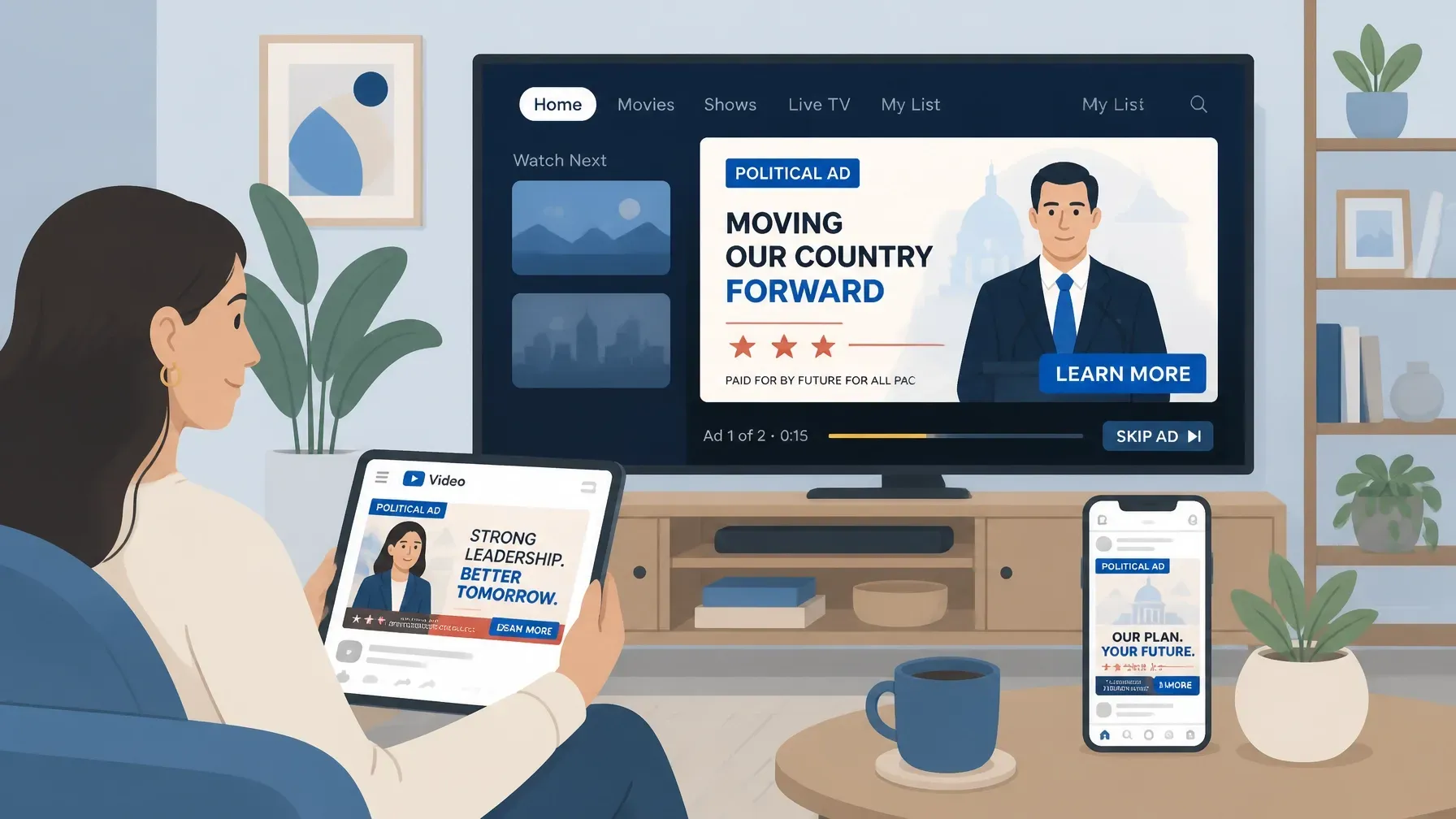
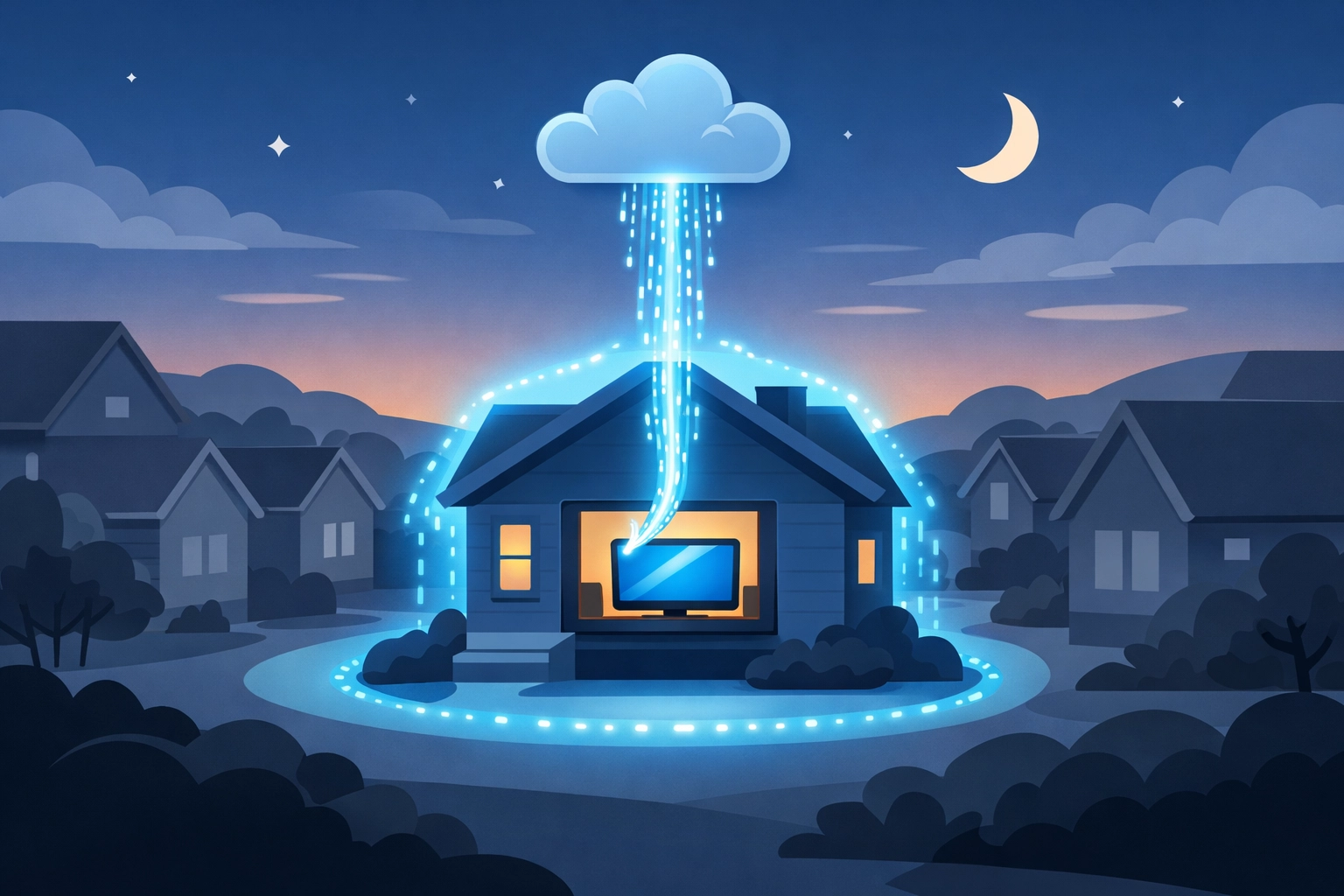
Connected TV (CTV) and Over-the-Top (OTT) advertising have fundamentally changed the game. Instead of buying a "show" or a "time slot," you are buying an audience.
With political streaming, we don't care if the voter is watching a live sports event on Sling or a documentary on Discovery+. If they are a registered voter in your district who fits your target profile, we show them the ad.
Why Political Streaming Wins in 2026
If you’re looking for the best bang for your buck, political streaming offers advantages that Linear simply can't touch. At Turn It Blue Ads, we’ve seen these tools power an 85% win rate for our clients because they allow for surgical precision.
1. First-Party Data Integration (Tunnl & L2)
Instead of guessing who is watching, we use gold-standard voter file data from partners like Tunnl and L2. You can target "Persuadable Democrats," "Likely Republican Primary Voters," or "Unregistered Environmentalists" with household-level accuracy. You aren't just shouting into a megaphone; you're having a conversation in the right living rooms.
2. Reaching the "Incremental" Voter
This is the most critical concept for 2026. An "incremental voter" is someone who cannot be reached via Linear TV. These are the cord-cutters and cord-nevers. Research shows that over half of frequent voter households reached through streaming are incremental, meaning if you only buy broadcast, you are missing 50% of your most important audience.
3. Real-Time Optimization
Our platform utilizes meta-DSP technology. This means we aren't just plugged into one ad exchange; we’re plugged into all of them. Our system looks at performance in real-time and shifts your budget to the inventory that is actually getting watched. If one platform is underperforming, we fix it, instantly.
4. Cost-Effectiveness
You don't need a million-dollar budget to be effective. At Turn It Blue Ads, you can launch a professional, high-impact CTV campaign for as little as a $500 minimum. This levels the playing field, allowing local candidates to have the same digital presence as the big-name incumbents.
Side-by-Side: Linear vs. Streaming in 2026
| Feature | Linear TV (Broadcast/Cable) | Political Streaming (CTV/OTT) |
|---|---|---|
| Targeting | Broad Geographic (DMA) | Household-level (Voter File) |
| Data Source | General Demographics | Tunnl, L2, First-Party Data |
| Waste | High (reaching non-voters) | Low (precision delivery) |
| Minimum Spend | Often $25k+ for impact | $500 minimum at Turn It Blue Ads |
| Reporting | Delayed (Weeks) | Real-Time Dashboard |
| Inventory | Limited/Static | Infinite/Dynamic |
Bottom line: If you are looking to maximize reach among "light news viewers" and younger demographics, streaming isn't just an "add-on", it’s the foundation.
The "All-of-the-Above" Approach
Now, we aren’t saying you should ditch Linear TV entirely if you have the budget. For large statewide races, Linear still provides a massive baseline of awareness. The most successful 2026 campaigns will likely allocate 15-25% of their TV budget specifically to streaming to capture those "incremental" cord-cutters.
However, for most local, municipal, and legislative campaigns, the choice is clear. You can't afford the waste associated with broadcast. You need the precision of a digital-first strategy.
Beyond CTV: The Full Programmatic Suite
While CTV is the "shiny object" of the 2026 cycle, remember that voters live across multiple screens. Turn It Blue Ads is a full programmatic ad suite. This means we don't just stop at the TV screen. We follow your target voter across the internet:
- Online Video (OLV): Ads that run before YouTube videos or on news sites.
- Digital Audio: Reach voters while they listen to podcasts or Spotify.
- Display Ads: Stay top-of-mind with high-impact banners across millions of websites.
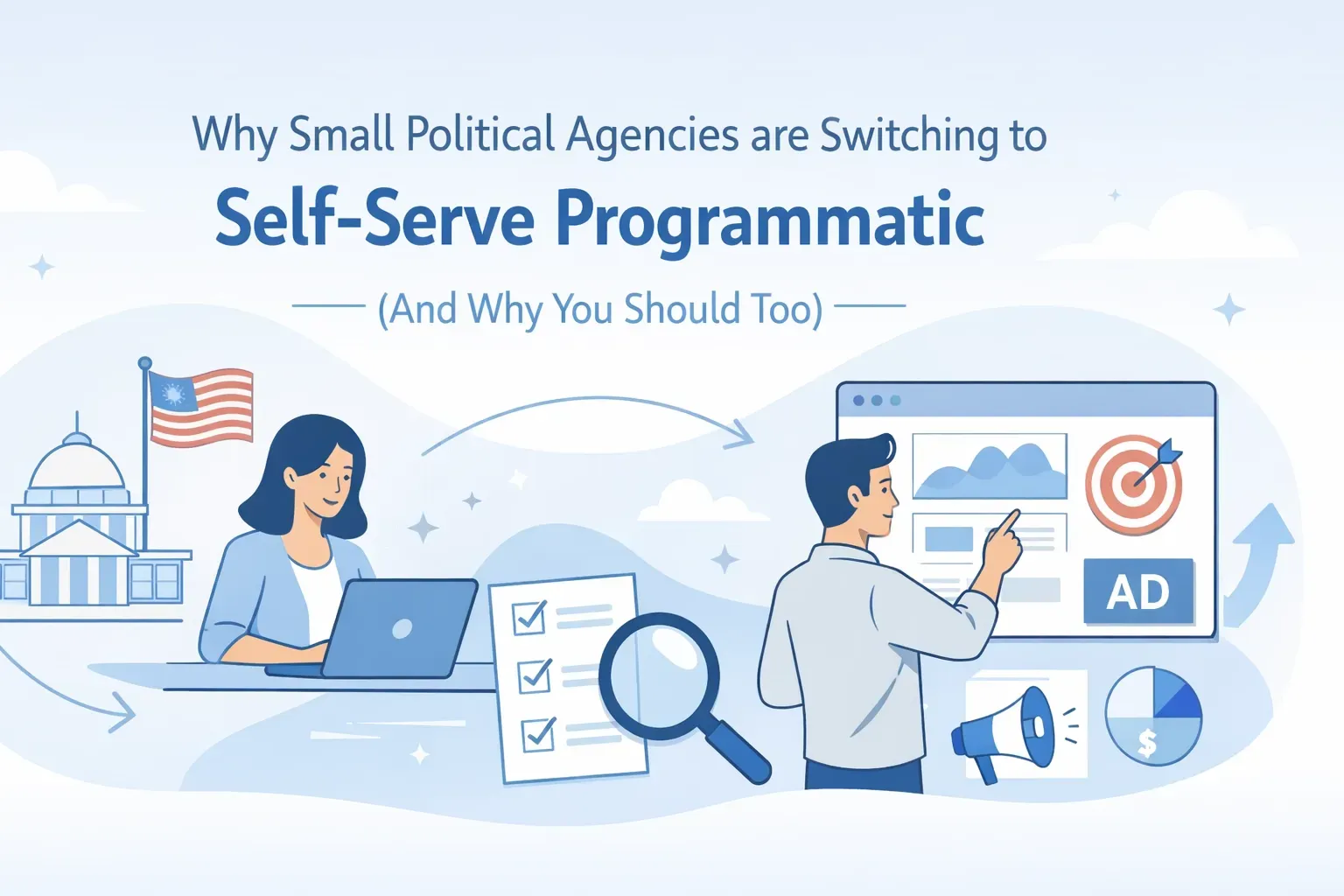
By using self-serve programmatic ad platform for politics , you can manage all of these channels in one place, ensuring a unified message that hits the voter 8-12 times, the "rule of thumb" for moving the needle on name ID.
Real-Time Reporting: No More Guessing
One of the biggest frustrations for campaign managers is the "black box" of traditional advertising. You write a check and hope for the best.
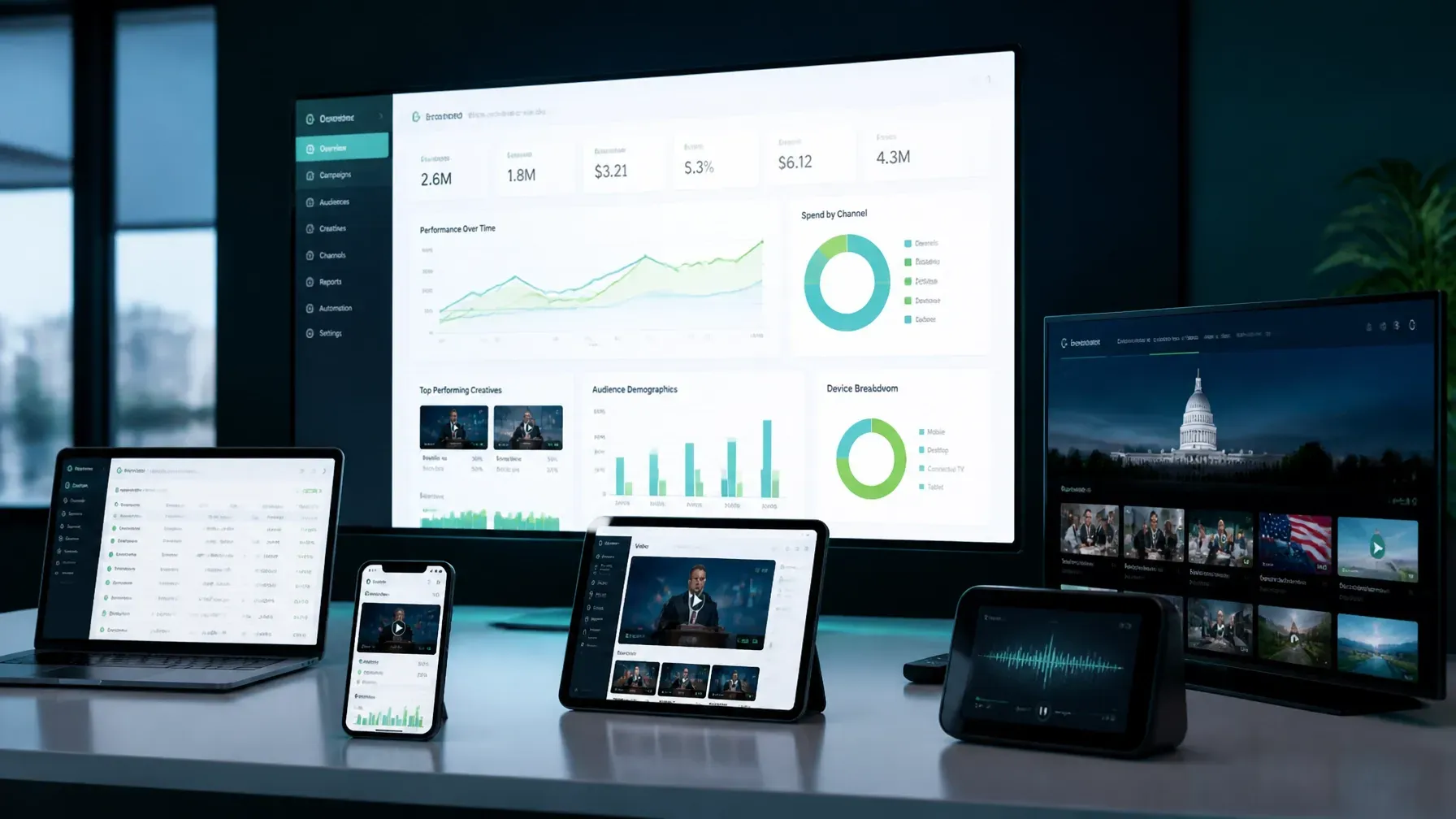
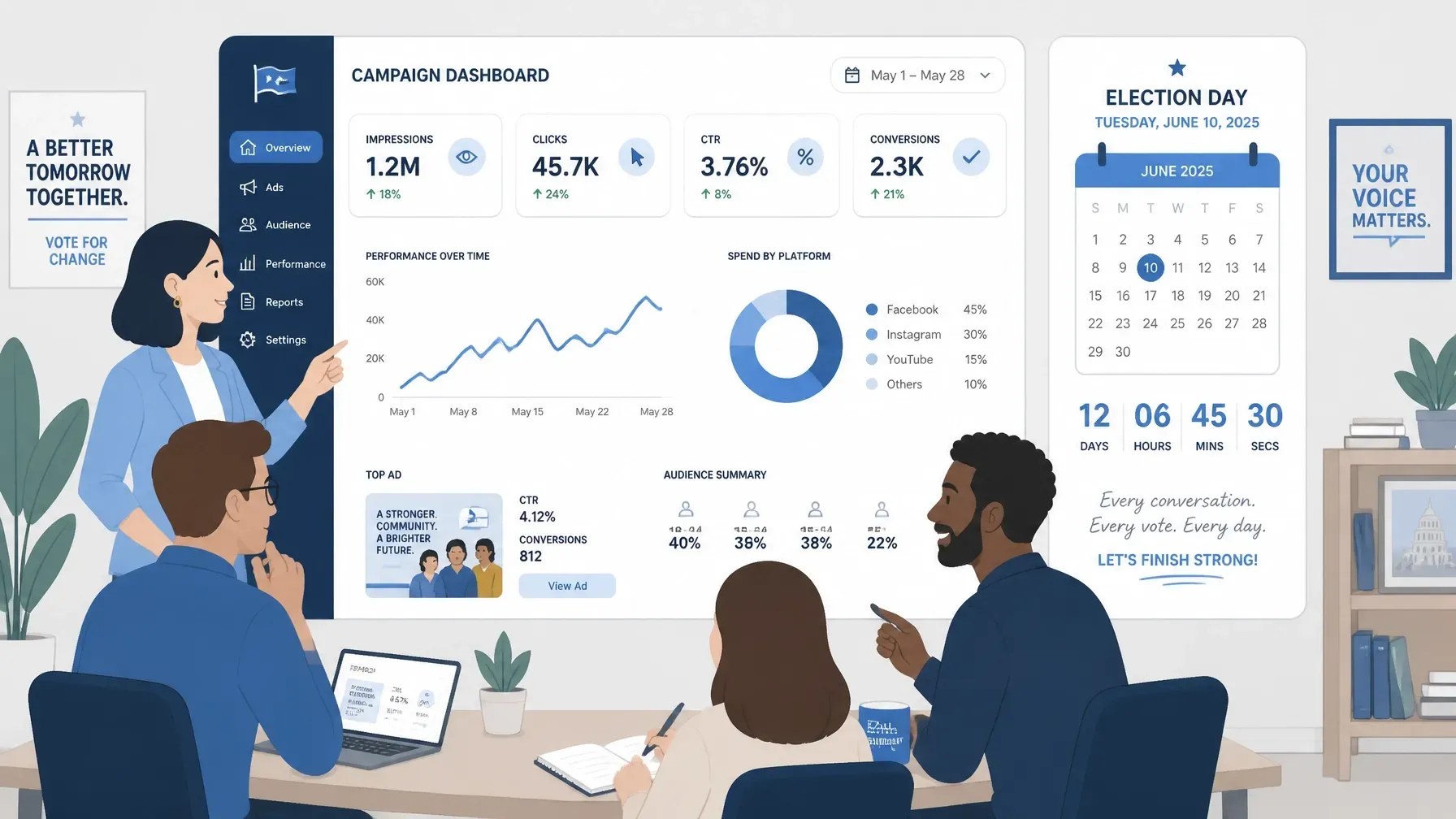
We don't work that way. When you run ads through Turn It Blue Ads, you get access to a real-time reporting dashboard. You can see exactly how many impressions were served, which zip codes are responding best, and how much of your budget remains. This transparency is why we were awarded 'Best Political Service Team' in 2025 by Campaigns & Elections Magazine.
How to Start Your 2026 Strategy Today
Don't wait until the airwaves are crowded and the prices have tripled. The best time to start building your audience is now.
- Define Your Universe: Use Tunnl or L2 data to identify exactly who you need to talk to.
- Audit Your Budget: Look at your TV spend. If 100% is in Linear, you are missing the voters who will decide the election.
- Launch Small, Scale Fast: Start with a targeted $500–$1,000 flight on our platform to test your creative and see the data for yourself.
The 2026 midterms will be won on the margins. Reaching the "incremental" voter, the one who doesn't have a cable box but is a frequent voter, could be the difference between a victory party and a concession speech.
Key takeaway: Linear TV is a 20th-century tool for a 21st-century voter. To win in 2026, your budget needs to reflect the way people actually live.
Ready to win?
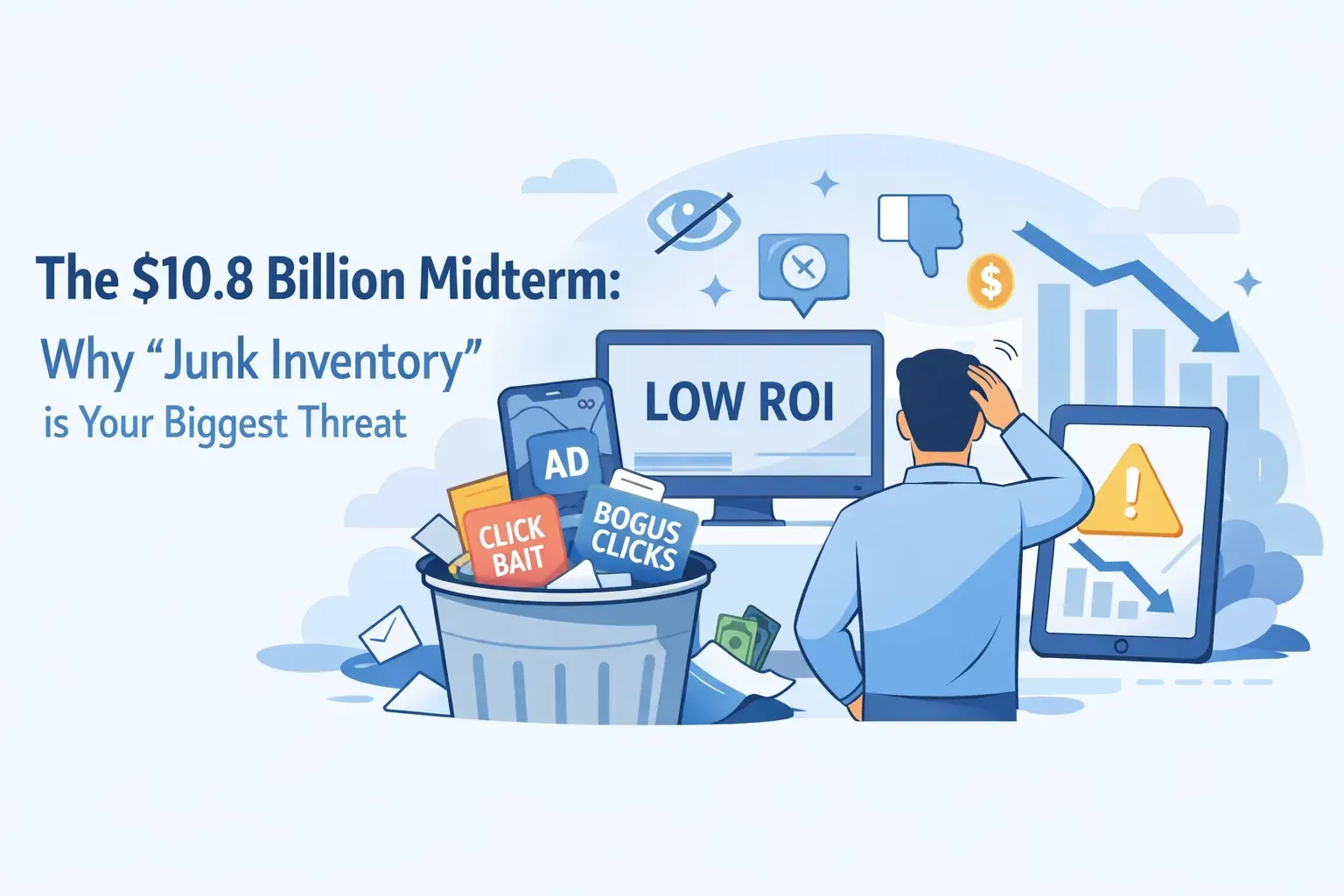
Stop overpaying for junk and start reaching the voters who matter. Whether you are a small campaign or a large organization, our self-serve platform gives you the power of a Madison Avenue agency with a $500 minimum.
Share this Content!