Programmatic Advertising for Political Campaigns: Why Democrats Are Leaving Linear Behind
Programmatic Advertising for Political Campaigns: Why Democrats Are Leaving Linear Behind
![[HERO] Programmatic Advertising for Political Campaigns: Why Democrats Are Leaving Linear Behind](https://cdn.marblism.com/ZCIR6f2zrZw.webp)
The 2026 midterm cycle is officially the most expensive in history. With over $10 billion flowing into political airwaves, the competition for a voter’s attention has never been more cutthroat, or more expensive. But if you look closely at the most successful Democratic campaigns, you’ll notice a massive shift in where the money is going.
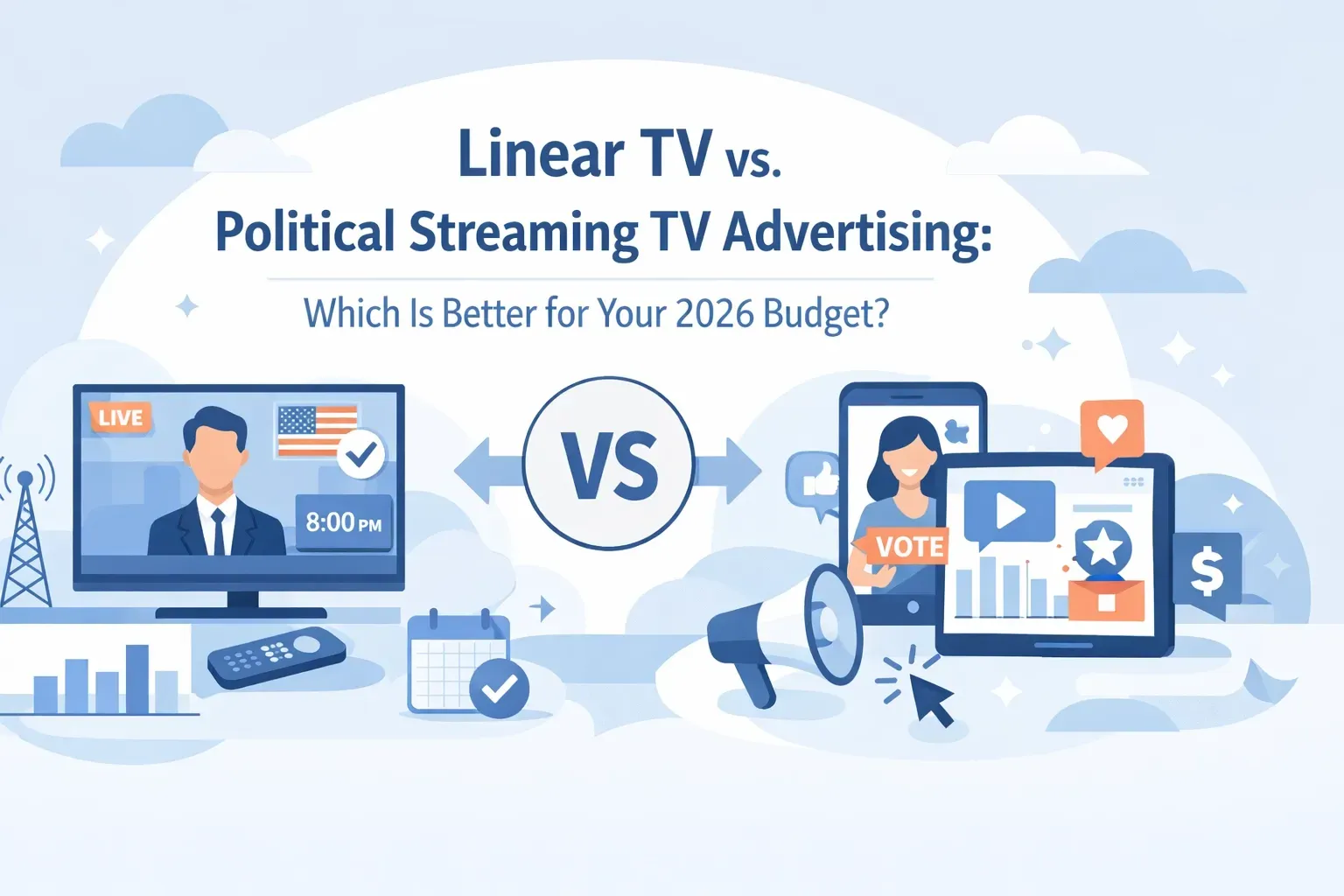
The era of "spray and pray" broadcast buys is dying. Linear TV, the traditional, non-digital broadcast we all grew up with, is no longer the king of the hill. Instead, savvy campaigns are pouring resources into programmatic advertising for political campaigns.
Here’s the reality: Your budget is a finite resource. Every dollar you spend showing a pro-choice ad to a hardcore MAGA voter is a dollar you’ve effectively set on fire. In a world where every vote counts, you can’t afford to be that sloppy.
The Linear Problem: A Blunt Instrument in a Sharp World
For decades, the standard play was simple: buy a flight of ads on the local evening news and hope for the best. It felt prestigious. It made the candidate’s grandmother happy to see them on the "big screen." But in 2026, linear TV is a dinosaur waiting for the meteorite.
Broadcast television is a blunt instrument. When you buy a spot on a local affiliate, you aren’t buying a specific audience; you’re buying a zip code or a Designated Market Area (DMA). You’re paying to reach everyone, the 17-year-old who can’t vote, the neighbor who already moved out of state, and the partisan opponent who will never be moved by your message.
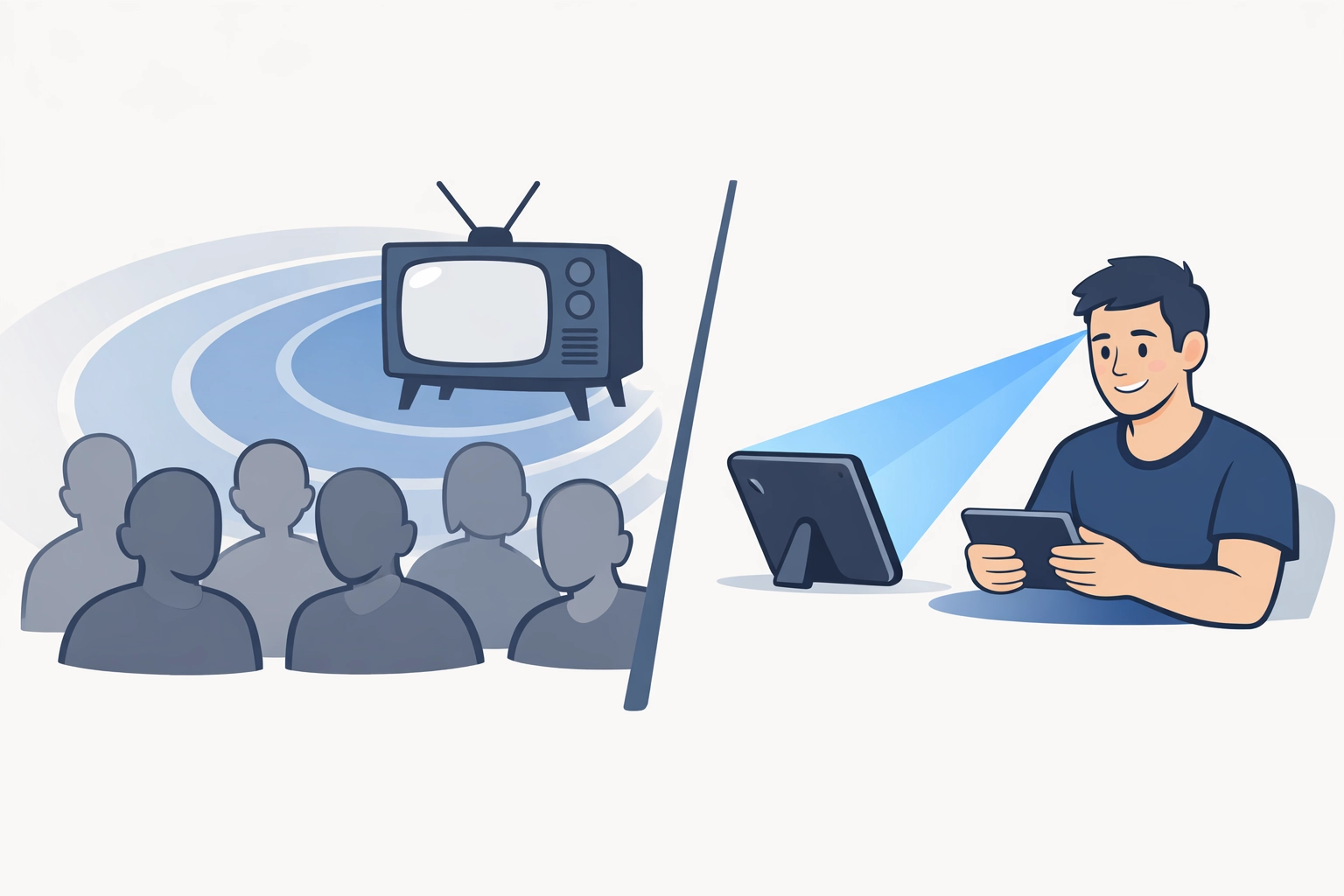
This "waste" is built into the price. You are literally paying to be ignored by 60% of the people seeing your ad. Worse, traditional media buying often comes with a "consultant tax", those 15-20% overhead fees that eat into your actual ad spend before a single voter even sees your face.
Why Programmatic is the Democratic Choice
The shift toward programmatic advertising isn’t just a trend; it’s a strategic necessity. Programmatic advertising automates the buying, placement, and optimization of your ads in real-time. It allows you to bid on specific impressions, meaning you only pay to show your ad to the exact person you want to reach.
Here’s why programmatic is winning:
- Surgical Precision: Instead of targeting a "market," we target a person. Through our partnership with data powerhouses like Tunnl , we can find the exact "persuadable" voters in your district. Whether it’s Democratic women concerned about reproductive rights or young voters who need a nudge to get to the polls, we find them wherever they are online.
- Cost Efficiency: There are no "minimum buys" that require you to have a million-dollar war chest. At Turn It Blue Ads, you can launch a professional, high-impact campaign with a $500 minimum. This levels the playing field, allowing local and regional campaigns to compete with the big-money PACs.
- Real-Time Optimization: In the old days, if a broadcast ad wasn't working, you were stuck. With programmatic, our AI-driven platform sees what’s performing and what isn’t. We pivot instantly. If your 15-second pre-roll is outperforming your 30-second spot, the budget moves there automatically.
Bottom line: Programmatic advertising for political campaigns isn't just about spending less; it's about spending smarter.
It’s Not Just Video: The Full Programmatic Suite
When people hear "digital ads," they often think only of YouTube or Facebook. But programmatic is much bigger than that. It’s an ecosystem that follows the voter throughout their entire digital day.
At Turn It Blue Ads, we don't just offer one channel. We provide a full suite of tools to ensure your message is inescapable for your target audience:
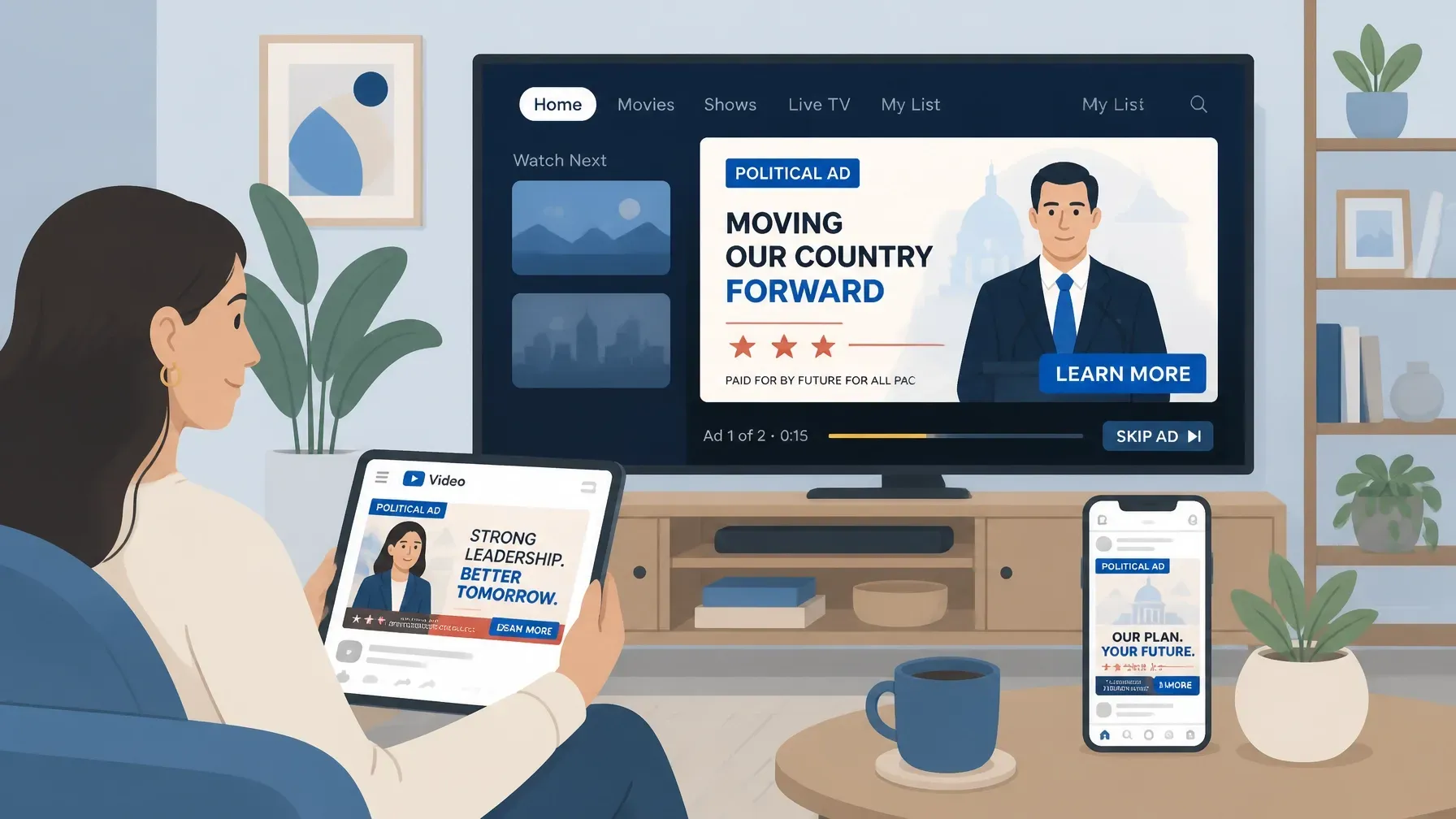
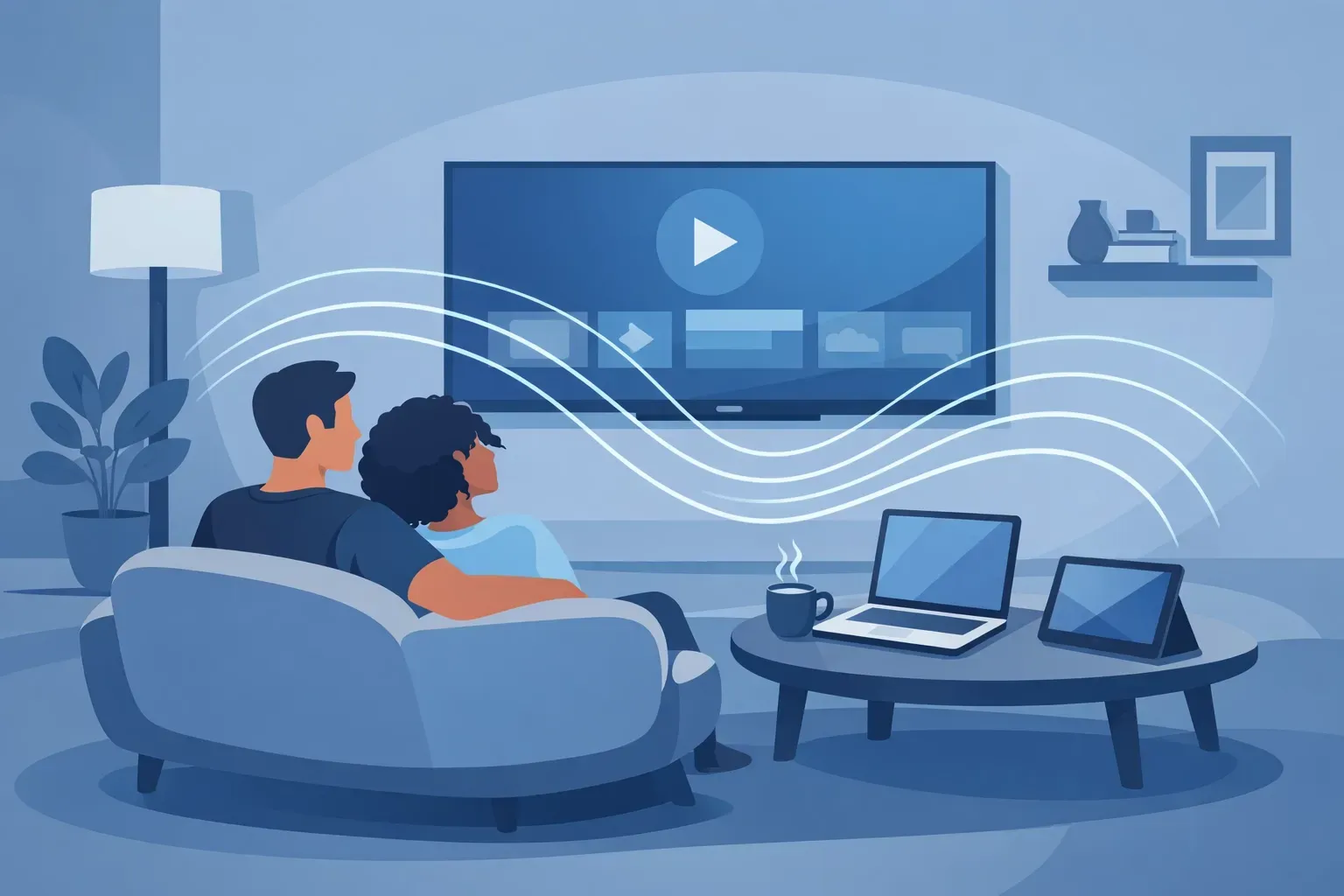
- Connected TV (CTV): The "big screen" experience of broadcast but with the precision of digital. Reach voters on Hulu, Roku, and Peacock without the waste of linear. (See why CTV is officially outspending broadcast in 2026).
- Display Ads: High-impact banners on the websites your voters actually visit. From local news sites to niche blogs, we keep your name top-of-mind.
- Online Video (OLV): Short, punchy video ads that play before or during web content. Perfect for quick "hit-and-run" messaging.
- Digital Audio: Reach voters while they’re listening to podcasts or streaming music on Spotify and Pandora. It’s an intimate way to deliver a message that often gets overlooked by competitors.
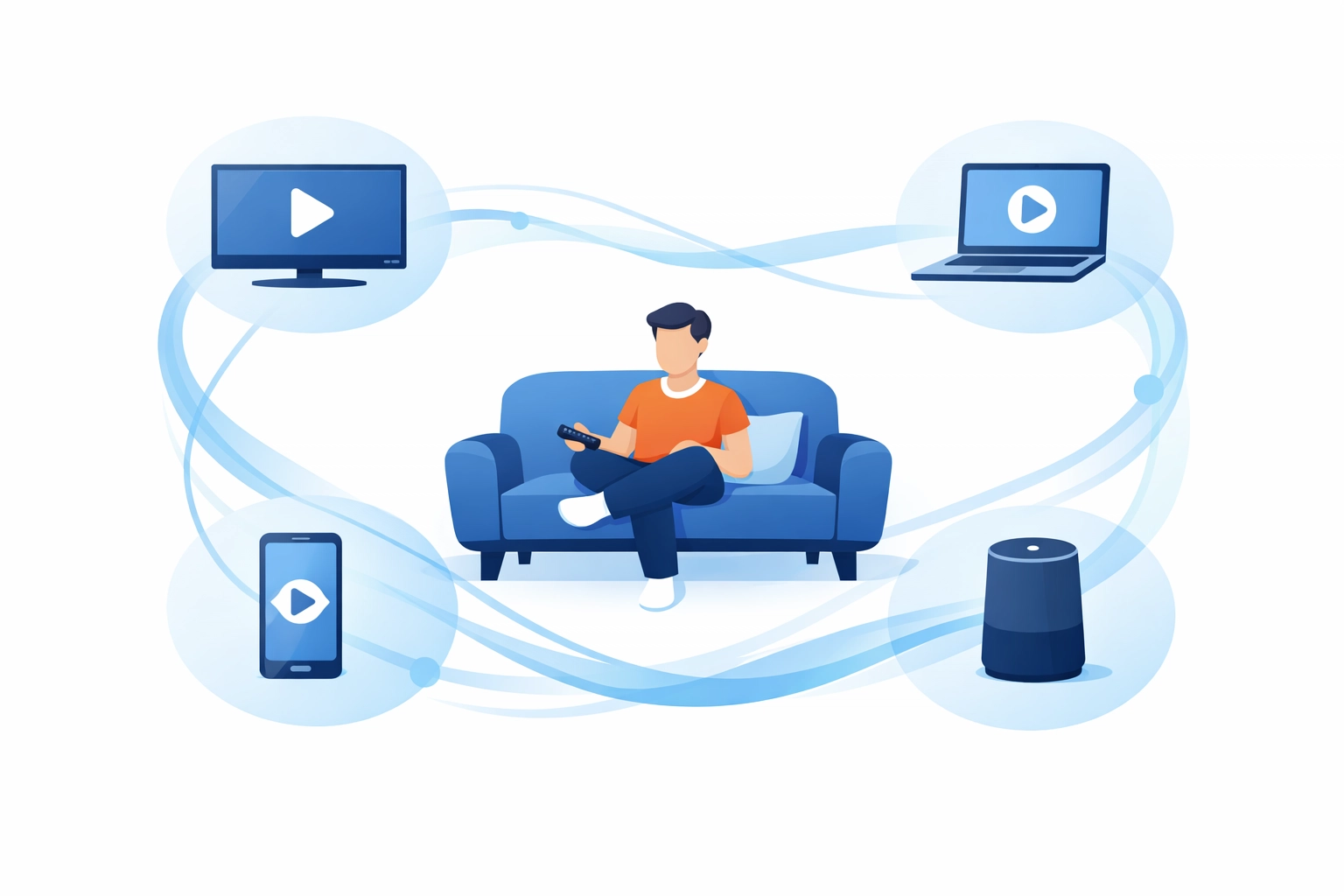
By using a multi-channel approach, you create a "surround sound" effect. A voter sees your banner ad in the morning, hears your audio spot on their commute, and watches your CTV ad during dinner. That kind of frequency is what actually moves the needle in the final weeks of a race.
Stop the "Consultant Tax" and Take Control
One of the biggest hurdles for Democratic campaigns has always been the gatekeepers. For too long, you had to hire a high-priced agency just to get access to the "good" inventory. They’d charge you a retainer, a percentage of the buy, and probably a few hidden fees for "creative strategy."
We think that’s garbage.
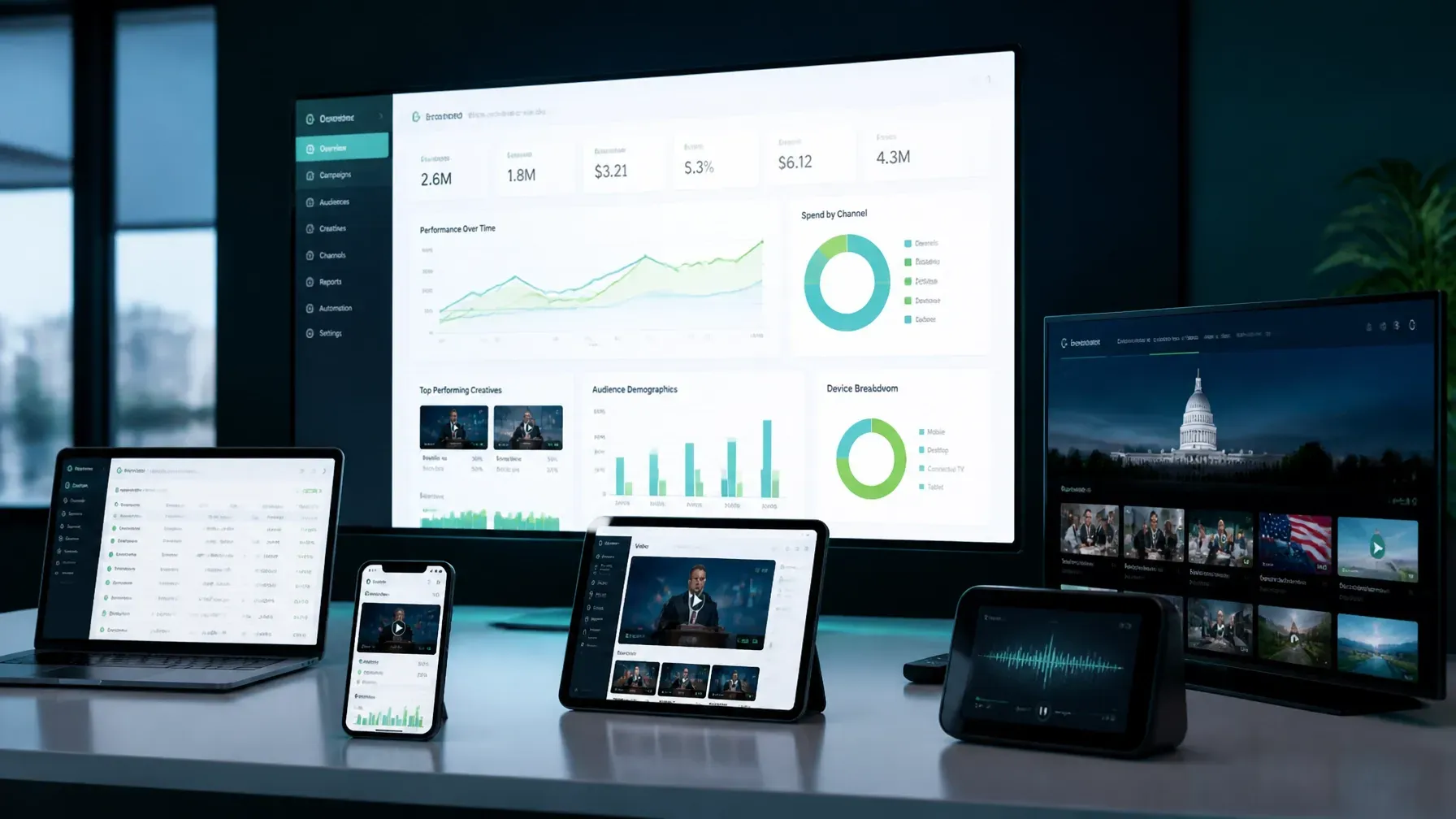
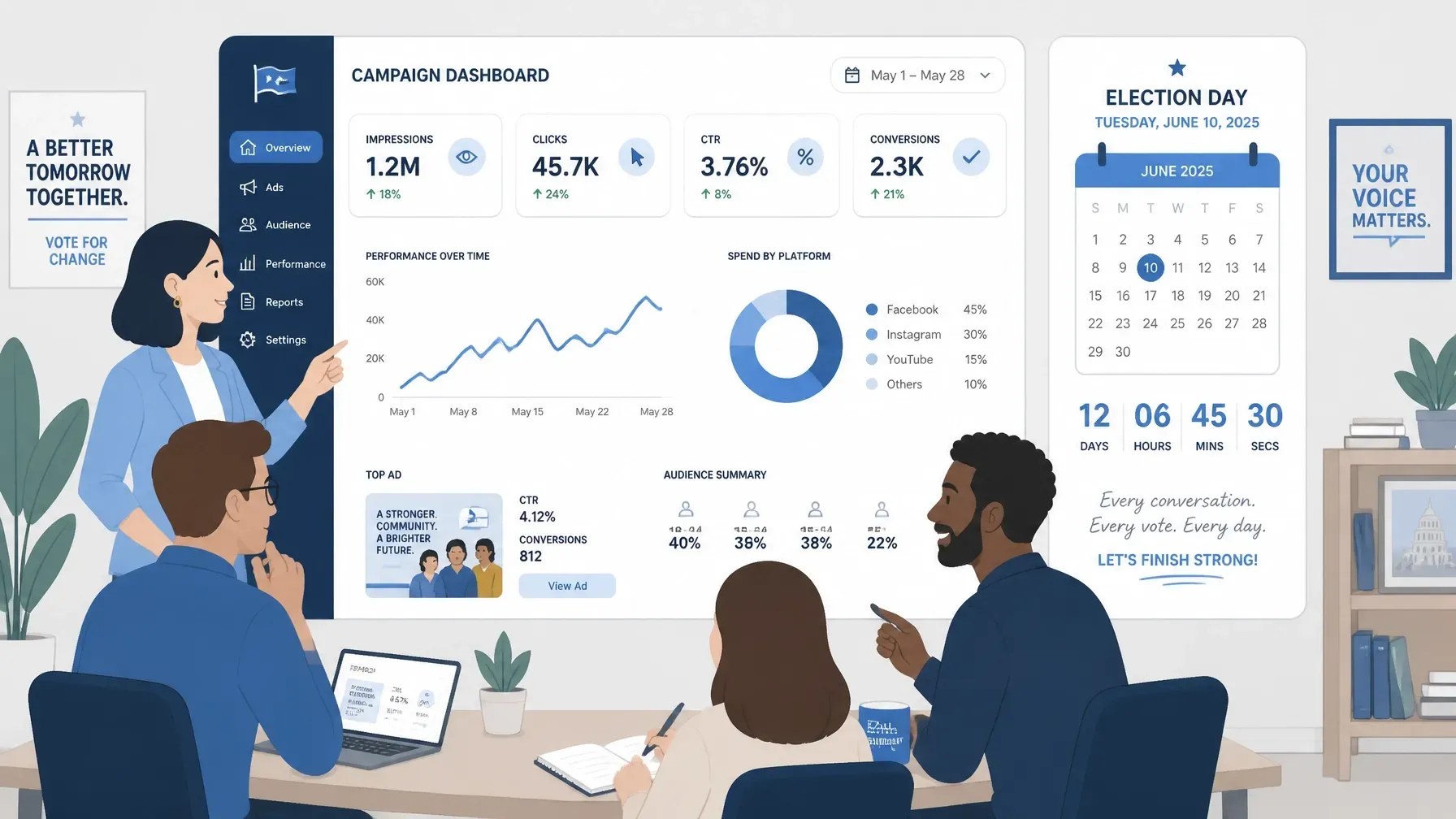
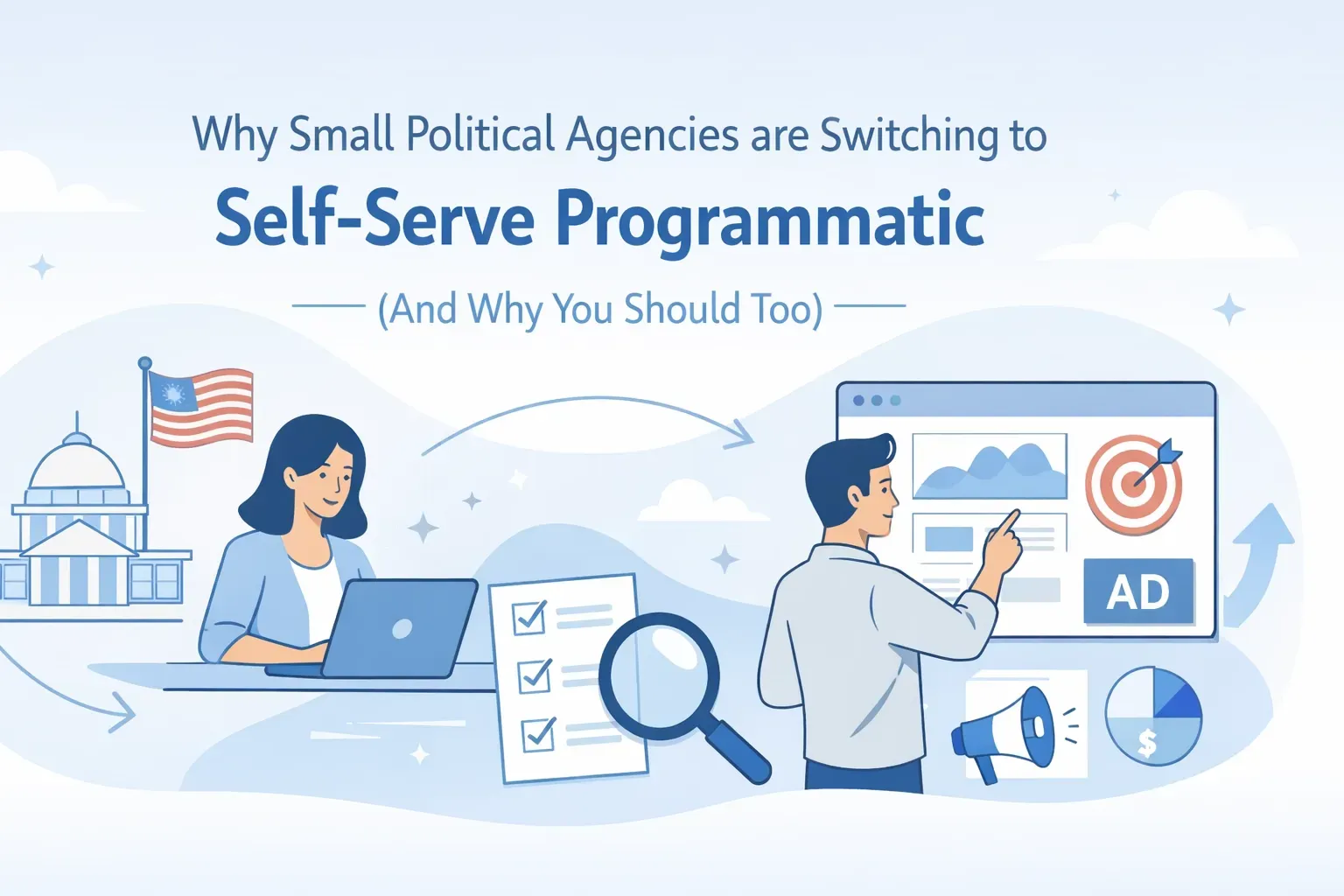
Turn It Blue Ads was built as a self-serve platform for the DIY campaign and the small progressive agency. We’ve removed the middlemen. You get the same enterprise-level technology used by presidential campaigns, but you control the dashboard.
Wait, what about the results? We’re not just blowing smoke. Our clients have an 85% win rate when using our programmatic platform. In fact, our commitment to empowering campaigns led to us being awarded the 2025 Award for "Best Political Service Team" by Campaigns & Elections Magazine (C&E). We’ve seen what works, and we’ve built a platform that makes it easy for you to replicate that success.
How to Save Your Budget (And Your Sanity)
The final weeks of a campaign are a frantic scramble for "unallocated" funds. Often, campaigns make the mistake of "boosting" posts on social media as a last-ditch effort. Don't do it. Boosting is the digital equivalent of throwing money into a windstorm. It lacks the sophisticated targeting and data integration needed to actually flip a seat.
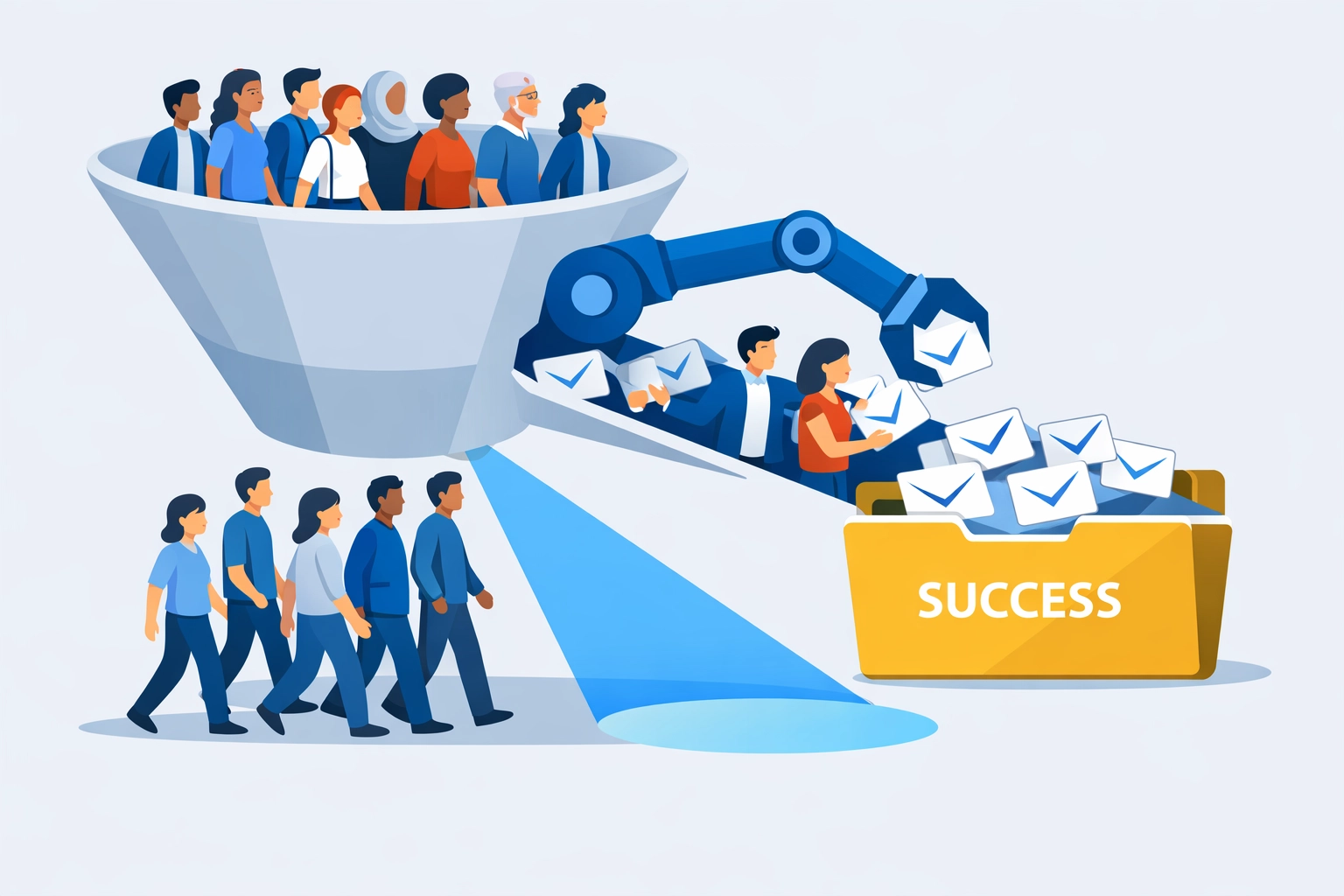
Instead, look at programmatic "suppression." We can take your list of people who have already voted (via early voting or mail-in ballots) and stop showing them ads. Why keep paying to reach someone who has already checked your name? That’s "found money" you can redirect toward the voters who are still undecided. To see how this works in practice, check out our guide on how programmatic suppression actually works.
The Path Forward: Strategy Over Superstition
We often see campaigns treat media buying like a superstition. "We’ve always bought the 6:00 PM news, so we have to do it again." But the "way we’ve always done it" is a recipe for losing in 2026.
The voters you need to reach aren't watching the 6:00 PM news. They’re cord-cutters. They’re streaming. They’re browsing. They’re listening to podcasts. If you aren't there, your opponent, or the bizarro-world PACs funded by billionaires, certainly will be. (Read more about how Illinois progressives beat those PACs here).
The great news is that you don't need a million-dollar budget to be effective. You just need to be more efficient than the other side. By using programmatic advertising for political campaigns, you're choosing precision over volume. You're choosing data over guesswork.
Ready to Win?
Don't wait until the final two weeks of the cycle to figure out your digital strategy. You can set up your account today, upload your creative, and be live in front of your target voters in less time than it takes to get a call back from a TV station ad rep.
Try it yourself: Stop guessing where your voters are and start reaching them. Sign up for Turn It Blue Ads today and start building your winning programmatic campaign.
Share this Content!