The Tipping Point: CTV Officially Outspends Broadcast in 2026 Senate Races
The Tipping Point: CTV Officially Outspends Broadcast in 2026 Senate Races
![[HERO] The Tipping Point: CTV Officially Outspends Broadcast in 2026 Senate Races](https://cdn.marblism.com/GSOwFJ85_VE.webp)
The numbers are in, and the verdict is clear. For the first time in political history, the 2026 Senate races have crossed a threshold that political consultants have been predicting for a decade. According to the latest data from the Wesleyan Media Project, digital ad spend—specifically in the realm of Connected TV (CTV)—has officially outpaced traditional broadcast television in the most competitive Senate contests across the country.
Broadcast is officially the underdog.
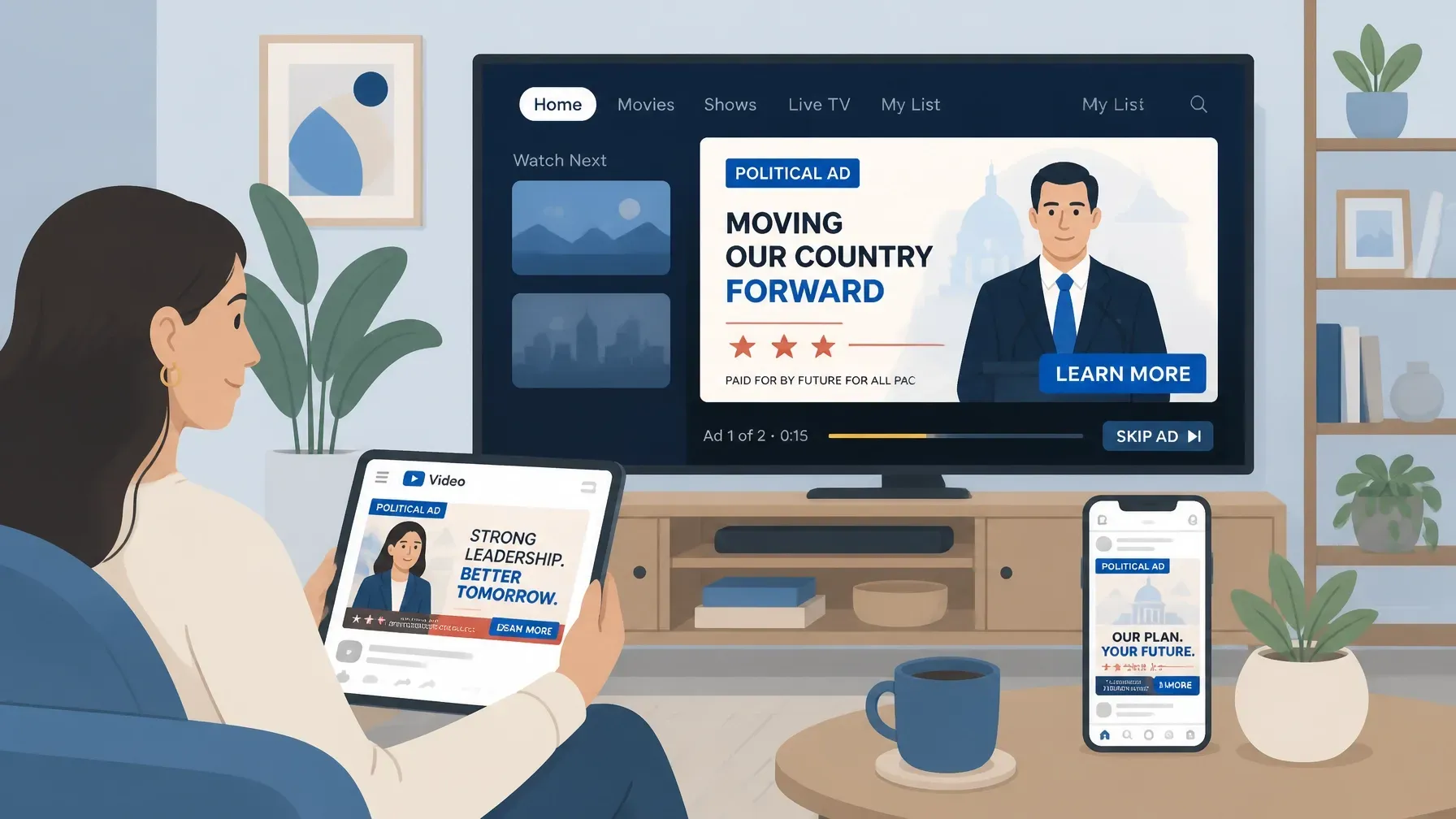
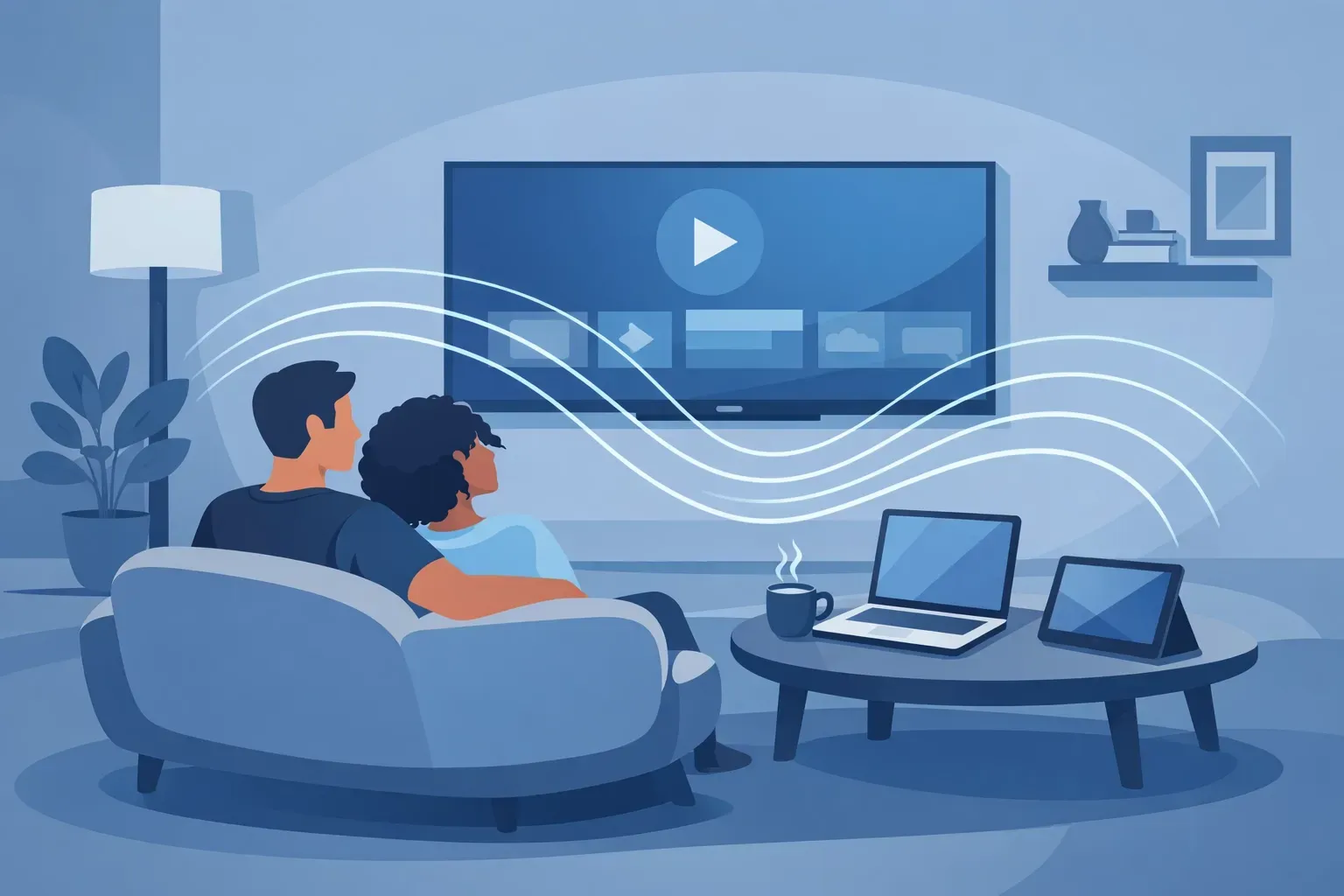
For decades, the "gold standard" of a political media buy was the 30-second spot during the 6:00 PM local news. Campaigns would dump millions of dollars into broad-reach television, hoping that among the sea of viewers, enough registered voters were watching to move the needle. But in 2026, the strategy has flipped. The "big screen" in the living room is still the most powerful tool for persuasion, but it is no longer being fed by an antenna or a cable box. It’s being fed by the internet.
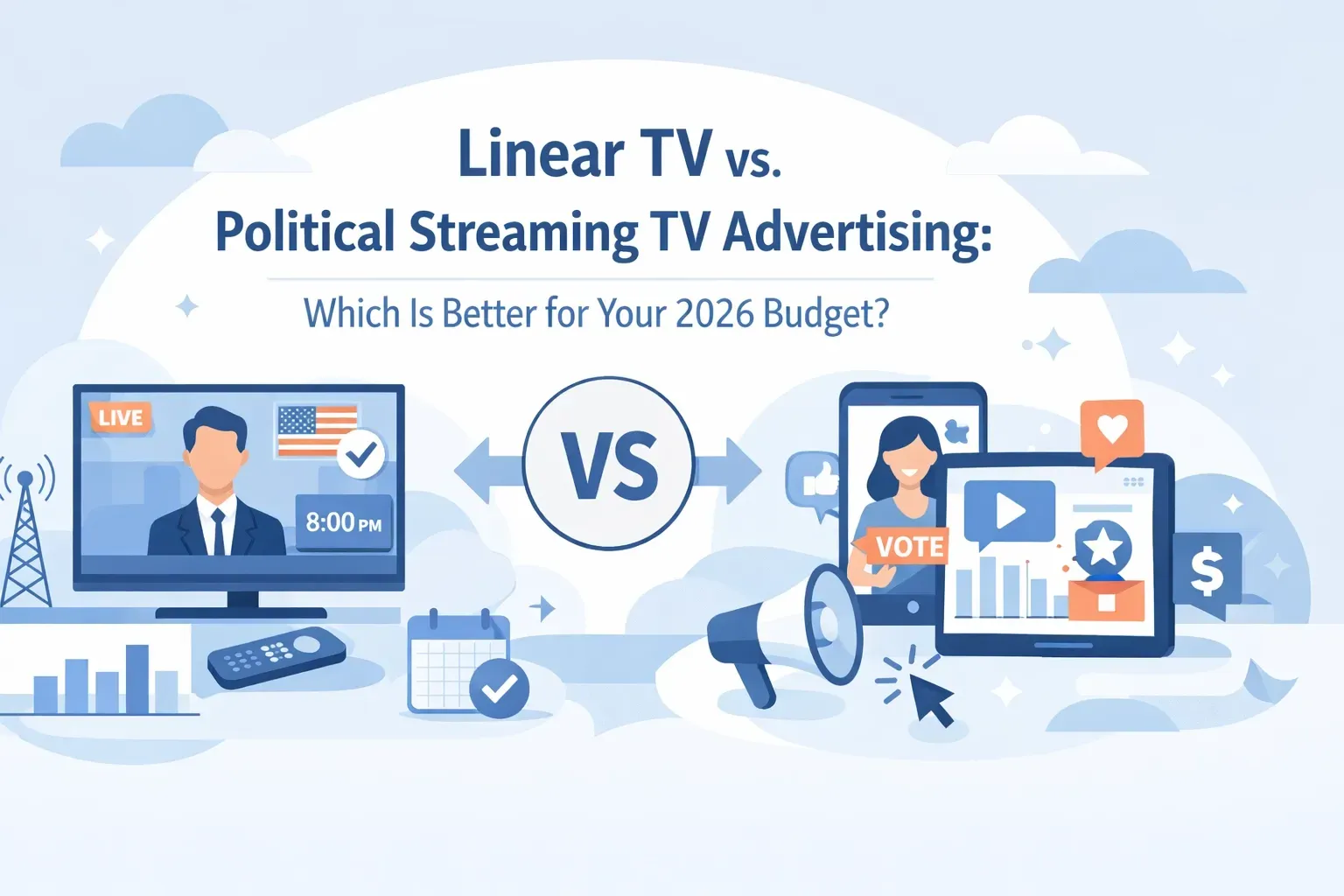
If you are still prioritizing broadcast over political streaming tv advertising , you aren't just behind the curve. You are effectively shouting into a void that fewer and fewer voters are inhabiting. Here’s why the tipping point happened, and more importantly, how your campaign can pivot to where the voters actually are.
The Death of the "Spray and Pray" Model
Why did the biggest Senate campaigns in the country suddenly shift their massive war chests toward CTV and ott advertising for political campaigns ? It comes down to one word: efficiency.
In a traditional broadcast buy, you are paying for every single person who sees your ad. That includes people who aren't registered to vote, people who live outside your district but happen to be in the same media market, and people who have already cast their ballots. It is the definition of "wasted spend." In a cycle as expensive and high-stakes as 2026, top-tier campaigns can no longer afford to nickel and dime their efficiency.
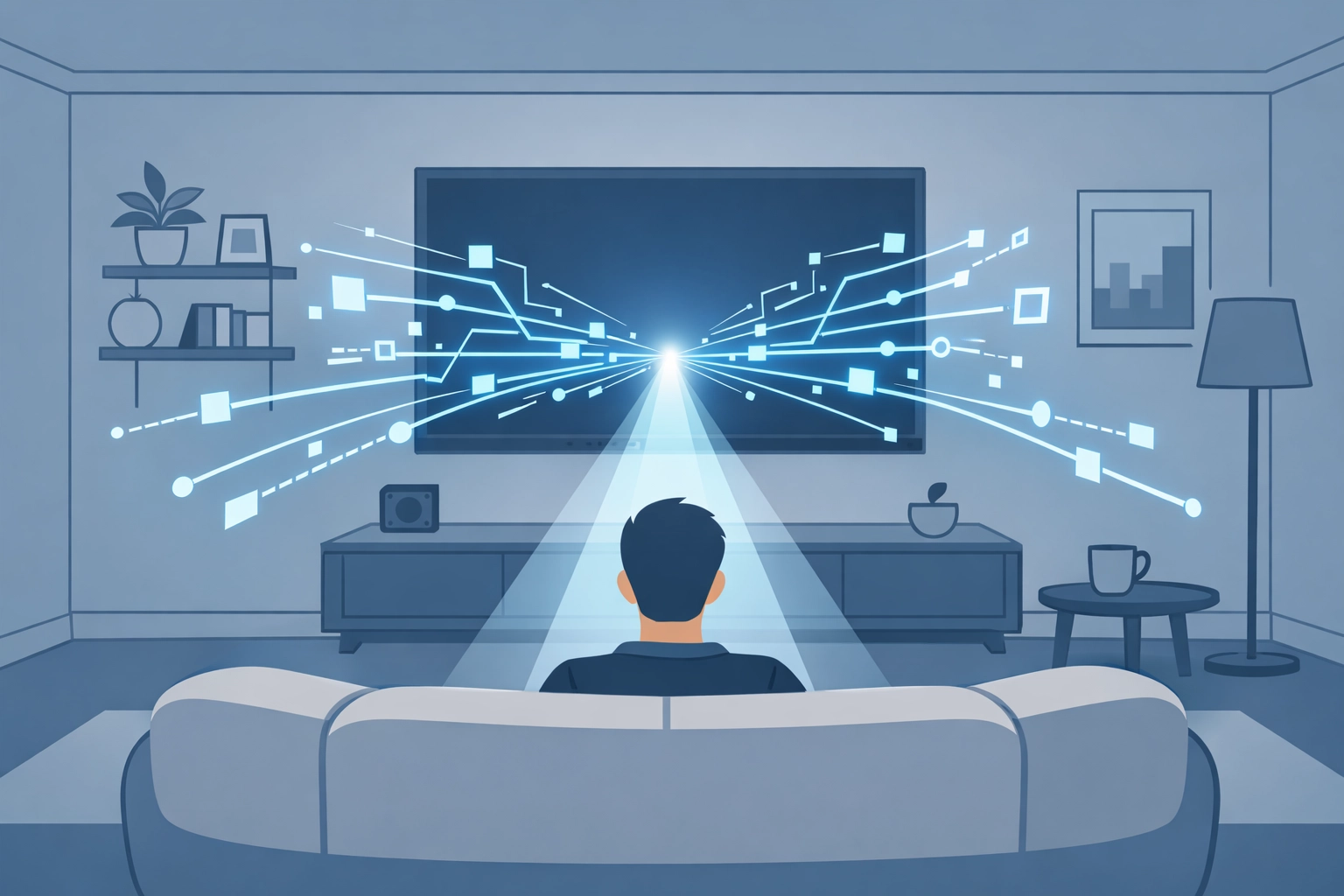
Senate races are now utilizing hyper-precise data: like the audiences we provide through our partners at Tunnl and L2 : to ensure that if an ad plays on a screen, the person sitting on the couch is actually a targetable voter. This isn't just a tech upgrade. It is a fundamental shift in how we think about persuasion.
Don't let your digital budget get lost in the algorithm of yesterday. By moving to a programmatic-first model, you ensure that every dollar spent is an investment in a specific voter's mind, not just a contribution to a local TV station's bottom line.
High-Definition Persuasion for the Rest of Us
The most significant takeaway from the Wesleyan Media Project's findings isn't just that the "big guys" are spending more on CTV. It’s that the technology has finally become accessible enough for everyone else to follow their lead.
Historically, the barrier to entry for high-quality TV advertising was the cost. You needed a massive buy to even get a seat at the table with broadcast networks. But at Turn It Blue Ads, we’ve democratized that access. You don't need a multi-million dollar Senate budget to run a sophisticated CTV campaign. In fact, you can launch a highly targeted campaign on our platform with a $500 minimum.
This means a candidate for State Representative or a local School Board member can now appear on the exact same "big screen" as the Senate candidates, often during the same high-value programming. Whether a voter is watching a live sporting event or binge-watching a hit series on a streaming app, your message can be there.
Why CTV is Winning the War for Attention
Voters are tired of being interrupted. They are "cord-cutters" and "cord-nevers." They have migrated to environments where they have more control over what they watch, but interestingly, they are more captive once they are there.
Here is how political streaming tv advertising beats broadcast in the 2026 landscape:
- Unskippable Ads: Unlike traditional DVR or some web-based video, most CTV inventory is unskippable. When your ad plays, it has the voter's full attention on the largest screen in the house.
- Frequency Capping: Have you ever seen the same political ad four times in one commercial break on local news? That is a waste of money and a fast way to annoy your supporters. Programmatic CTV allows us to cap how many times a single voter sees your ad, ensuring you reach more people rather than the same person over and over.
- Voter-File Integration: We don't guess who is watching. By integrating with premium data providers like Tunnl and L2 , we target ads based on actual voter intent, past voting behavior, and robust issue modeling.
- Live Sports Access: One of the final holdouts for broadcast was live sports. However, with the massive shift of sports rights to streaming platforms, you can now run ads during the big game through our platform without the broadcast price tag.
Beyond the Big Screen: The Full Programmatic Suite
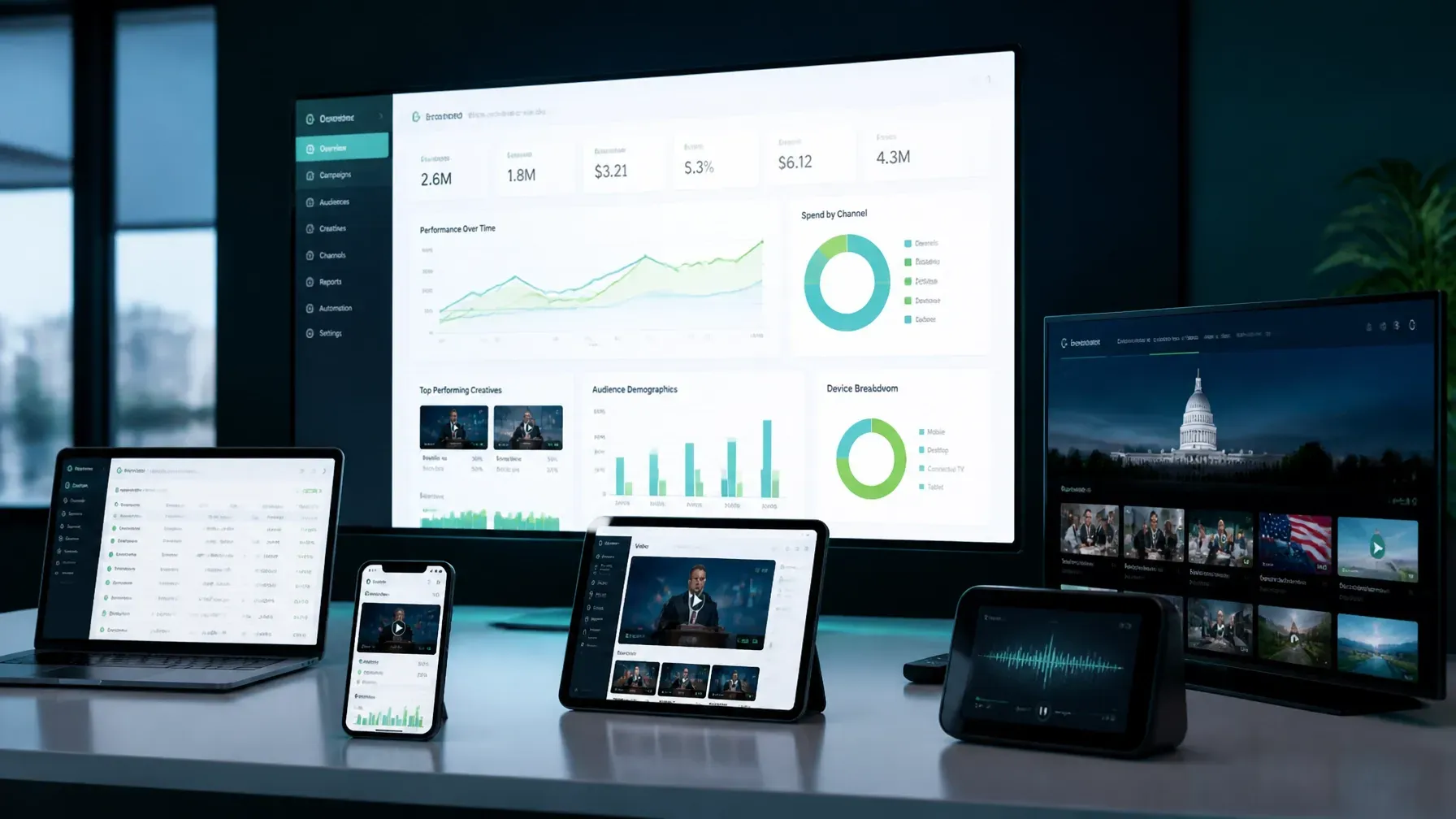
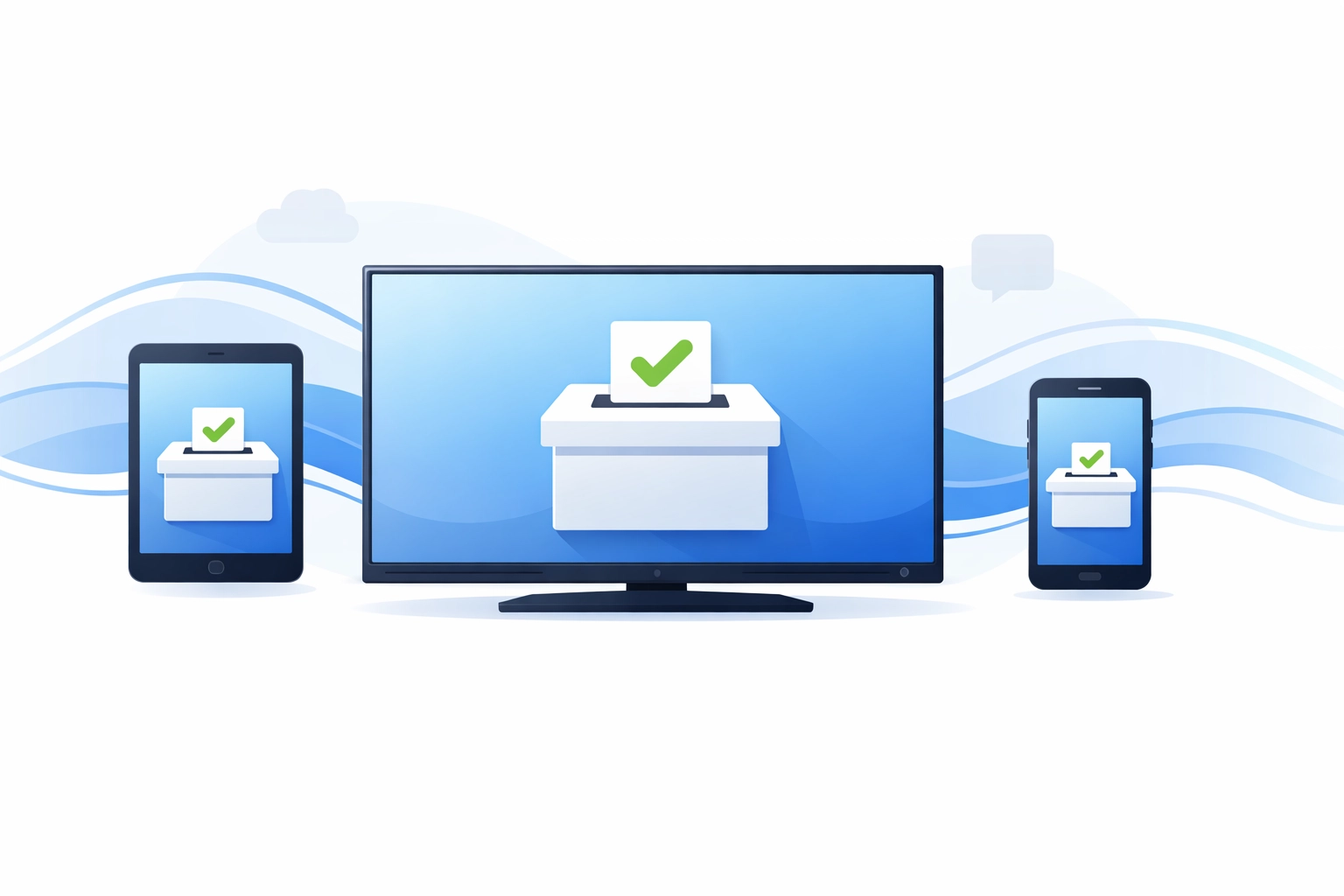
While the "Tipping Point" headline is about CTV, the real winners in 2026 are the campaigns taking a holistic approach to programmatic advertising. The "big screen" is the anchor, but the voter's journey doesn't end there.
At Turn It Blue Ads, we provide a full suite of tools that follow the voter across their entire digital life. If a voter sees your powerful 30-second spot on their TV, we can follow that up with a display ad on their favorite news site or a programmatic audio ad during their morning podcast.
Here’s how you scale that Senate-level strategy:
- Online Video (OLV): Reach voters on their laptops and tablets with the same high-quality creative used for CTV.
- Display Ads: Keep your name and key messaging top-of-mind with visual banners that appear across millions of websites.
- Programmatic Audio: Capture the "screen-free" moments when voters are commuting or exercising.
The goal is a 360-degree surround-sound effect. When you layer these tactics, you create the perception of a ubiquitous campaign, regardless of your actual budget size.
The Turn It Blue Advantage: Winning is in Our Data
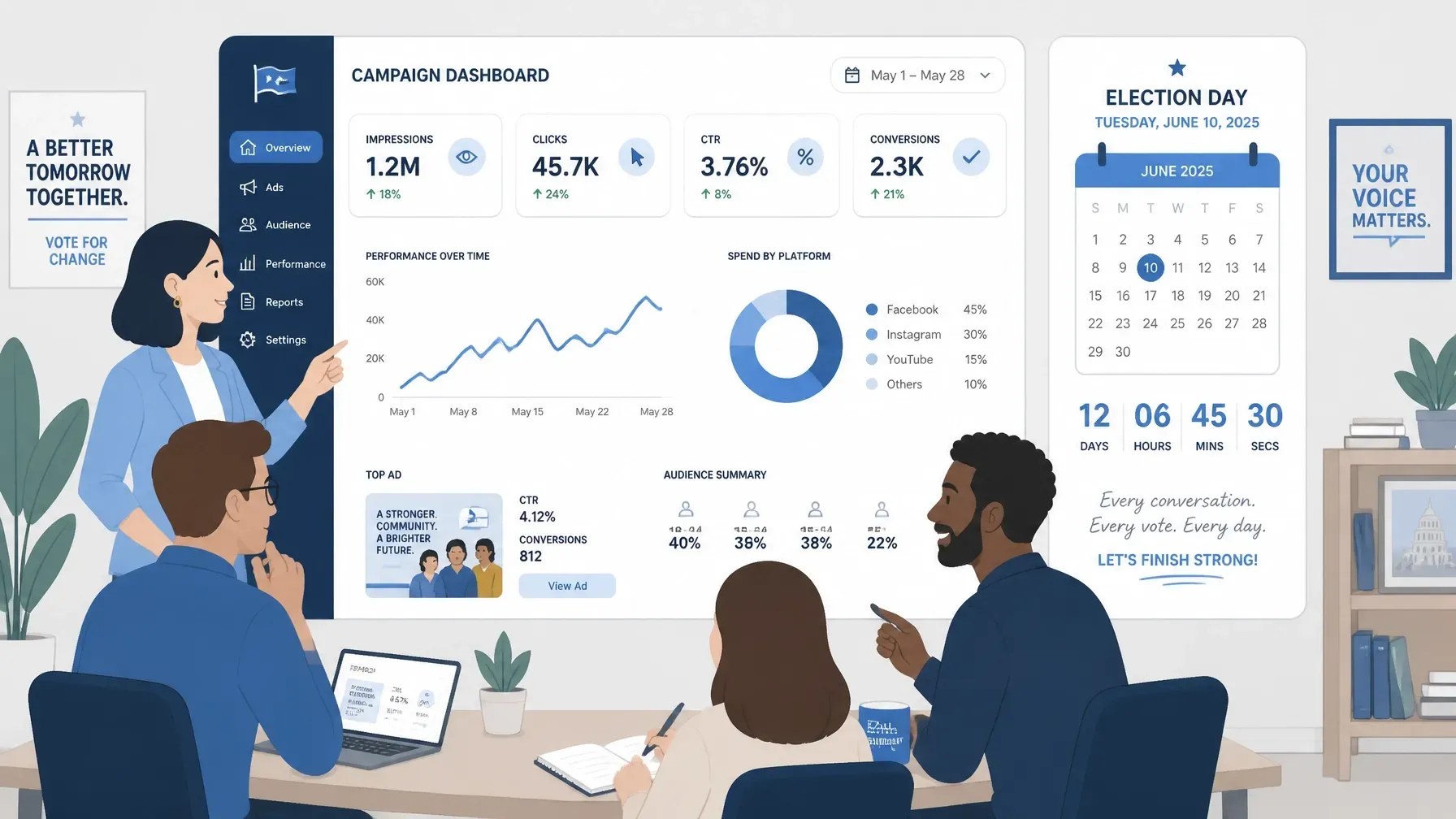
We aren't just providing a platform; we are providing a winning blueprint. Our clients have an 85% win rate because we focus on the strategies that actually move voters in the modern era. Our commitment to excellence was recognized in 2025 when we were awarded the 'Best Political Service Team' by Campaigns & Elections Magazine (C&E).
We understand that for progressive agencies and campaigns, resources are often limited, but goals are not. That’s why our self-serve platform is designed to be intuitive, powerful, and data-driven. We’ve removed the gatekeepers and the "managed service" markups that used to keep smaller campaigns away from the best tech.
Bottom Line: The Future is Now
The Wesleyan Media Project’s data is a wake-up call. The era of broadcast dominance is over. The "Tipping Point" has been reached, and the campaigns that thrive in the final stretch of 2026 will be those that embraced the shift to digital early and often.
You can continue to buy ads based on 1996 habits, or you can join the 2026 reality. The voters are on their streamers, their phones, and their smart speakers. Are you?
It’s time to stop wondering why your neighbor is seeing your opponent’s ads and start ensuring your message is the one being heard. The technology is here, the data is ready, and the minimums are low. There is no longer an excuse to leave the best advertising tools to the top of the ticket.
Ready to move your budget to where the voters actually are?
Share this Content!