Stop "Boosting" Posts: A Survival Guide for Progressive Agencies
Stop "Boosting" Posts: A Survival Guide for Progressive Agencies
![[HERO] Stop](https://cdn.marblism.com/j8VjXOQXkMY.webp)
It’s 9:00 PM on a Tuesday, and your candidate just sent over a 🔥fire🔥 30-second cell phone video from a rally. They want it live. They want it everywhere. They want it now.
If you’re running a small progressive agency, maybe it’s just you and two interns, or a tight-knit team of ten, the temptation to just hit that blue "Boost Post" button on Meta is overwhelming. It’s right there. It takes thirty seconds. You can tell the candidate it’s "running," and you can go back to your evening.
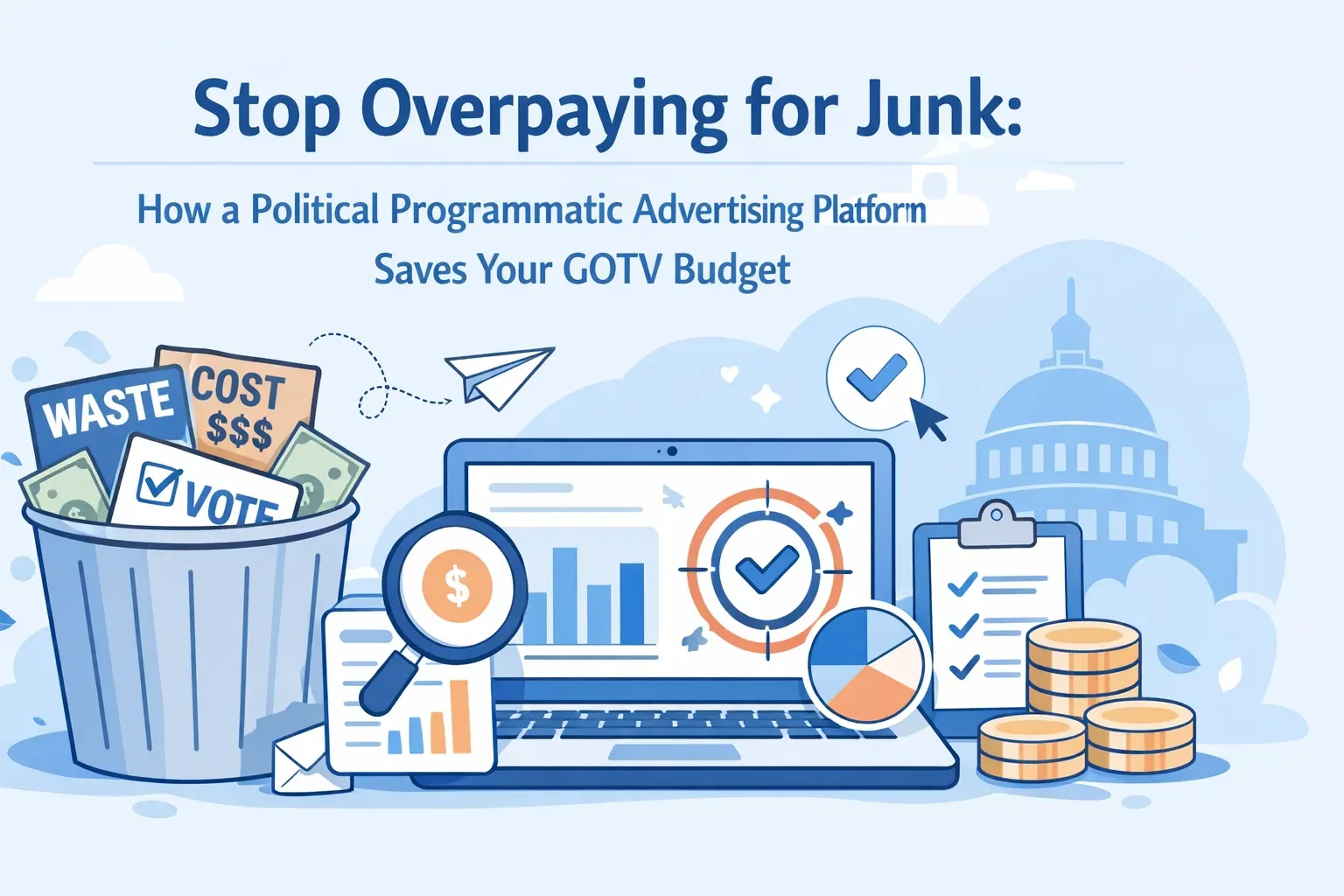
But by hitting that button, you are effectively lighting your client’s hard-earned donor dollars on fire and throwing them into a walled garden where they’ll never be seen by the voters who actually decide elections.
At Turn It Blue Ads, we’ve worked with hundreds of agencies that have been stuck in the "Facebook Boost" cycle. We’ve seen the reporting. We’ve seen the wasted spend. And we’ve seen what happens when those same agencies graduate to a professional programmatic strategy. Your clients deserve better than a "Boost" button, they deserve a real digital strategy that wins.
The "Boost" Trap: Why Social Media Ads Are Only 10% of the Equation
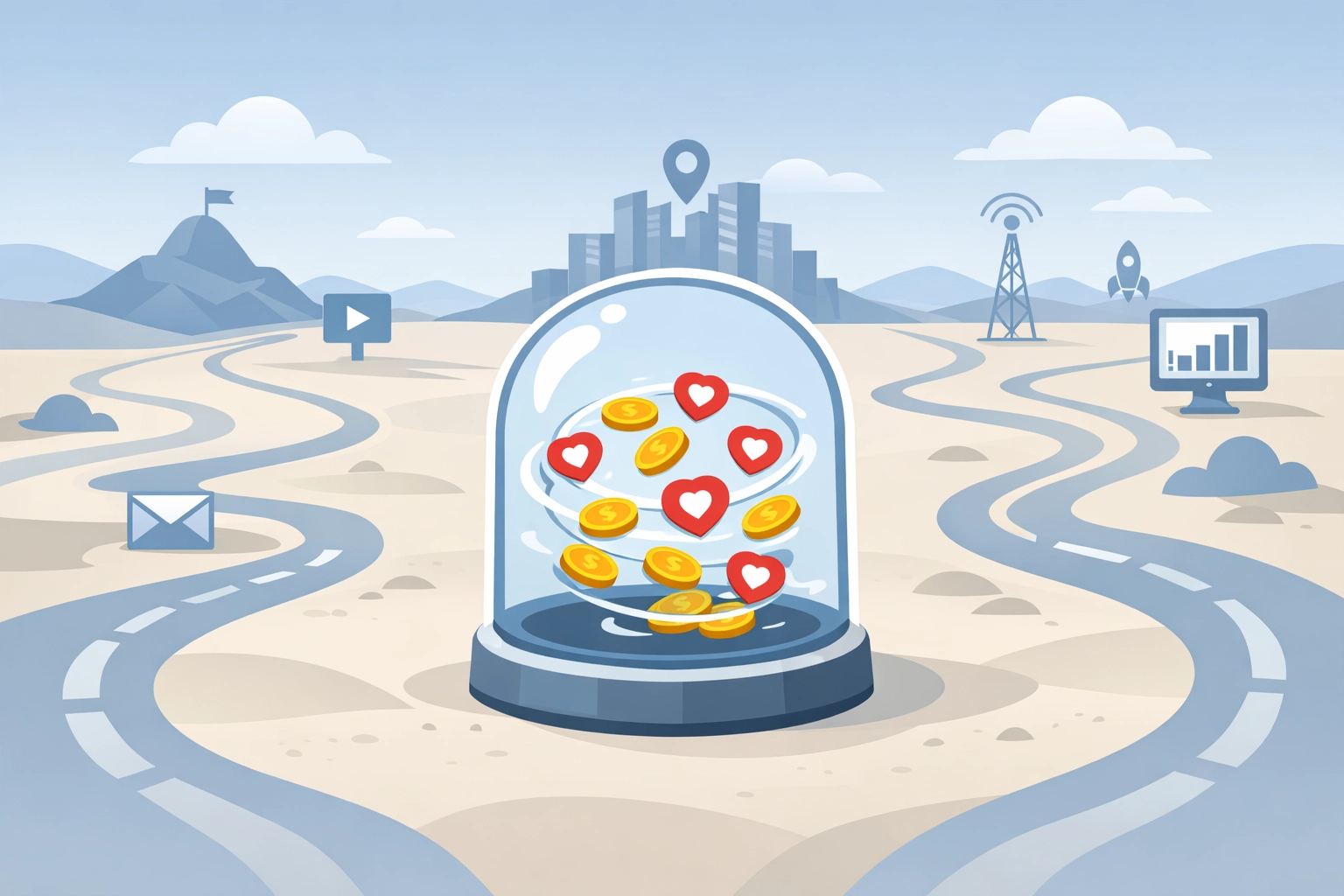
Let’s be clear: Meta is a powerful tool. But when you rely solely on social media ads for political campaigns , you are operating inside a closed ecosystem.
Here’s why: The "Boost" button is designed for coffee shops and local boutiques, not for high-stakes political movements. It optimizes for "engagement", which in the political world usually means a bunch of people who already agree with you liking the post, or a bunch of trolls in the comments section making your life miserable. Neither of those things wins a race.
When you boost a post, you are essentially asking an algorithm to find the people most likely to click a button, not the people most likely to cast a ballot.
Furthermore, the targeting options within Meta have been gutted over the last few years. You’re often left with broad "interests" that are about as accurate as a weather forecast in a hurricane. You might be targeting "Liberalism," but are you reaching the undecided voter in Precinct 14 who is worried about rising rent? Probably not.
Enter Programmatic Advertising: The Meta-DSP Advantage
If you want to move from "social media manager" to "lead digital strategist," you need to understand programmatic advertising for political campaigns.
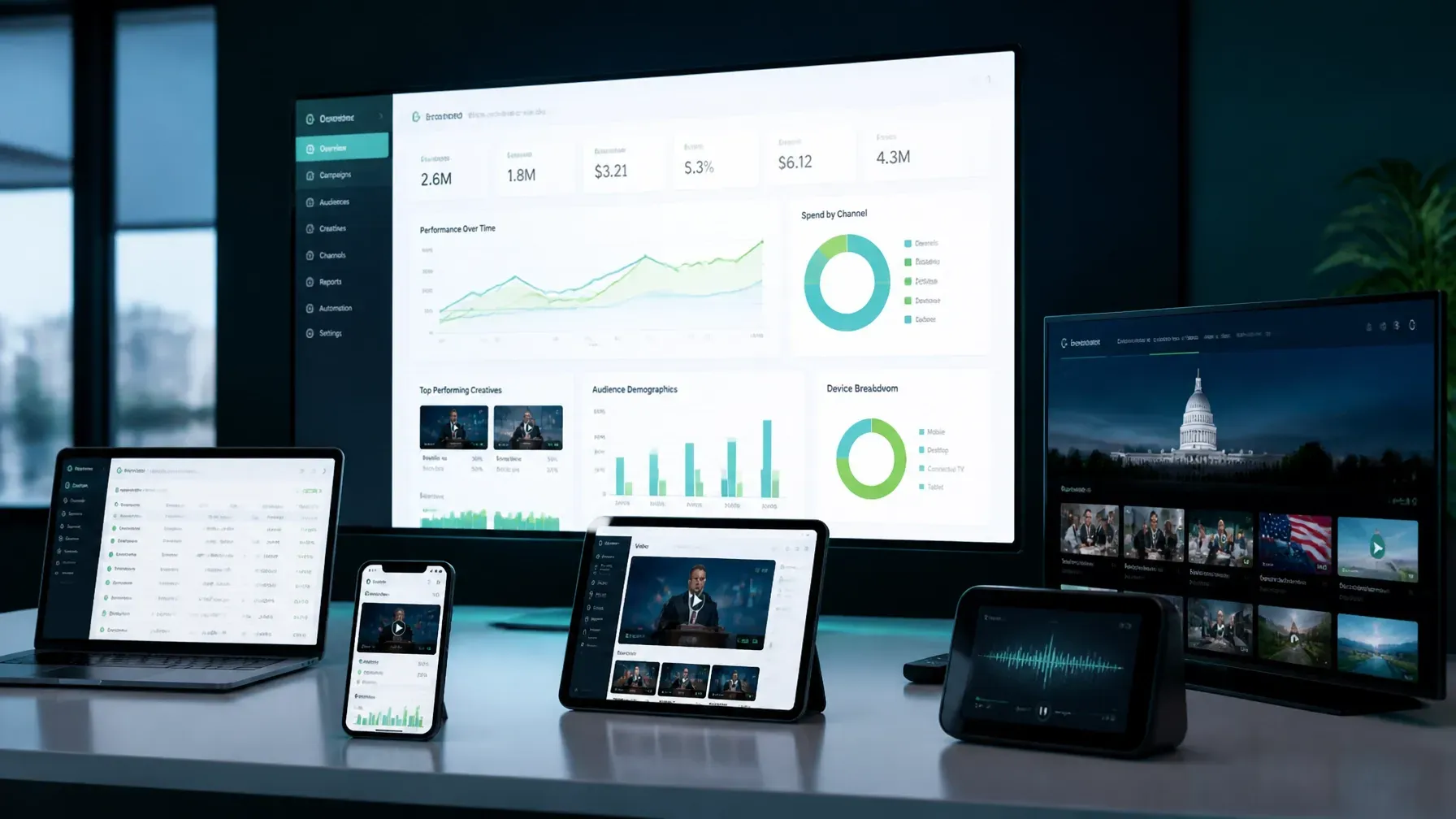
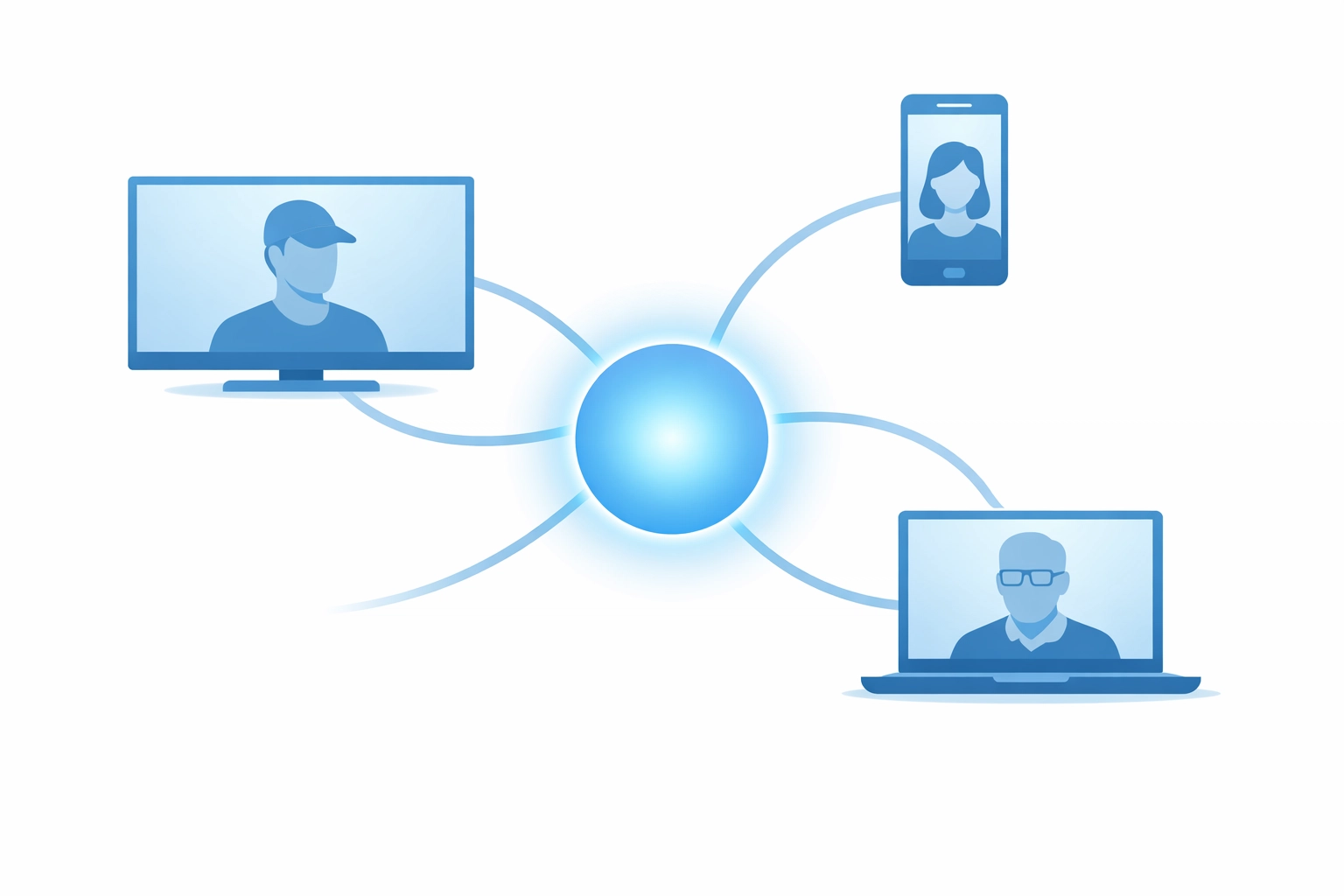
Think of a DSP (Demand-Side Platform) as your command center for the entire internet. While Meta lets you play in their sandbox, a programmatic suite like Turn It Blue Ads allows you to reach voters across the entire web, on their favorite news sites, in their mobile apps, through their speakers, and on the biggest screen in the house.
The Whole-Web Approach
Instead of just hoping a voter scrolls past your ad in their feed, programmatic allows you to follow them across their entire digital journey.
- CTV (Connected TV): Reach them on the big screen while they’re watching Hulu, Roku, or live sports.
- Mobile & Web: Serve high-impact display and video ads on sites like CNN, local news outlets, and weather apps.
- Programmatic Audio: Get in their ears on Spotify, iHeartRadio, and top-tier podcasts during their morning commute.
Your digital strategy shouldn't be a single point of contact; it should be a 360-degree surround-sound experience that builds the 8-12 touchpoints necessary for real persuasion.
Data is the Difference: Why We Lead with Tunnl
The biggest weakness of "boosting" is the data. Social media platforms use "inferred" data, they guess who someone is based on what they click. In a political cycle, guesses are expensive mistakes.
At Turn It Blue Ads, we don’t guess. We provide our clients with top-tier voter file data. We prioritize Tunnl and L2 data to give you the most surgical targeting available in the political space.
Here’s how: Tunnl builds custom models specifically for the issues that matter in 2026. Whether you are looking for "Cost of Living Concerned" voters or "Climate Action Advocates," we can pinpoint those individuals across every device they own.
Using professional voter data through a DSP ensures that your neighbor isn't seeing your opponent's ads while your own client’s message is lost in an algorithm.
How Small Agencies Can Compete with the Giants
You might think, "Programmatic sounds great, but I don't have a million-dollar budget." This is a common myth that keeps small agencies small.
The reality is that you don’t need a Silicon Valley bankroll to run a sophisticated campaign. At Turn It Blue Ads, our self-serve platform was built specifically for the 1-10 person agency. We’ve removed the gatekeepers and the massive "managed service" fees that usually eat up 20-30% of your budget before a single ad even runs.
The $500 Advantage
You can launch a professional, multi-channel programmatic campaign on our platform for as little as $500. This low barrier to entry means you can offer your local city council or school board candidates the same tech stack used by U.S. Senate races.
When you tell a client, "We’re going to run ads on the local news sites they read and the streaming apps they watch," you aren't just an agency, you’re an innovator. You're providing a level of service that justifies your fees and, more importantly, wins races.
Our platform has an 85% win rate for clients, and in 2025, we were honored to be named the 'Best Political Service Team' by Campaigns & Elections Magazine. We didn't win that award by telling people to hit a "Boost" button; we won it by providing the tools that actually move the needle.
Scaling Regional Voices: From Influencer to CTV
One of the hottest trends we’re seeing for the 2026 cycle is the use of micro-influencers and local voices. But again, if you just post an influencer video to their page and "boost" it, you’re limited to their existing followers.
Don’t just hope the influencer’s followers see the content; guarantee the right voters see it on their big screen.
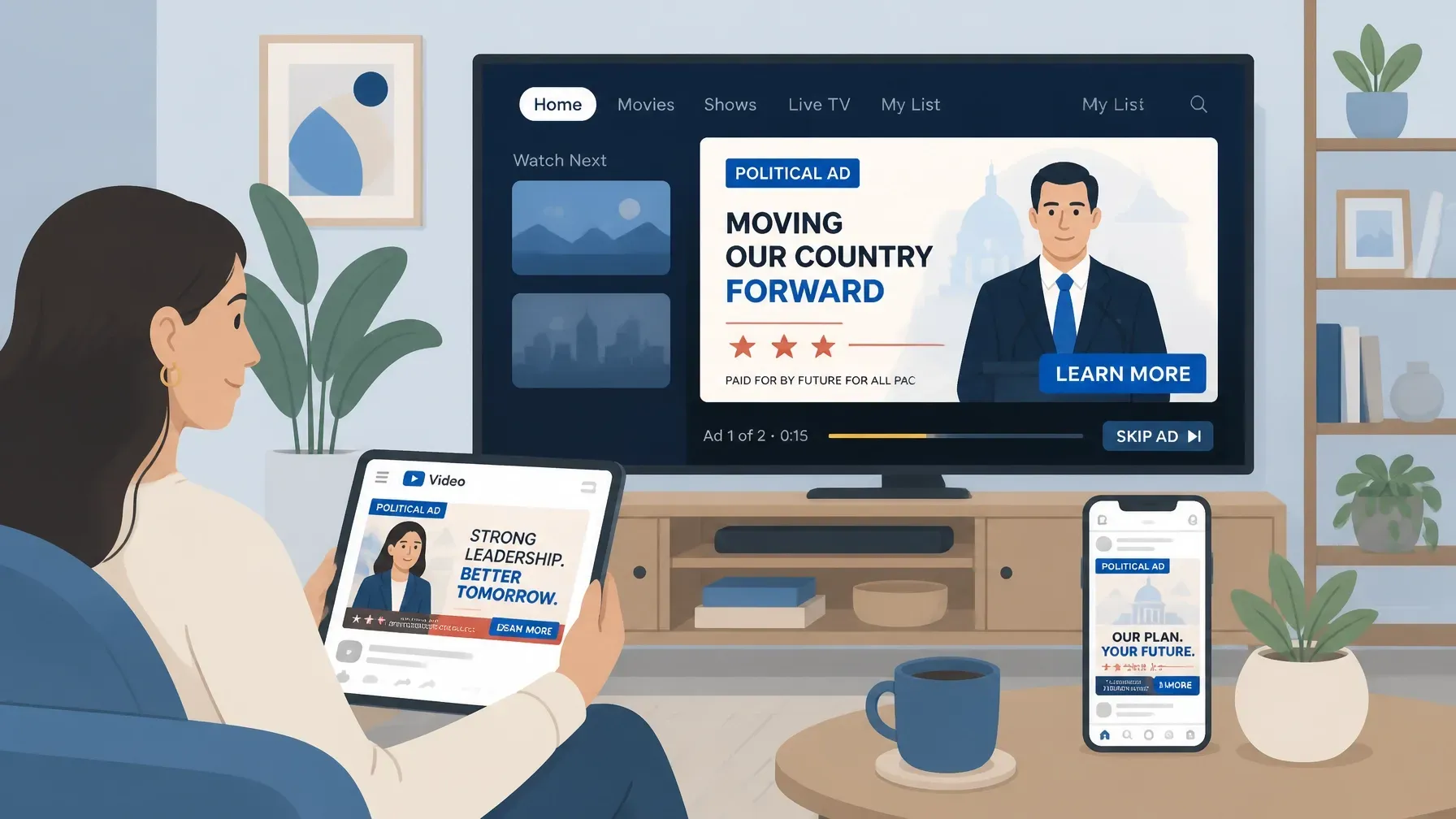
With Turn It Blue Ads, you can take that same high-performing social video, resize it, and run it as a high-definition CTV ad or a pre-roll video on local news sites. You’re taking a "social" asset and turning it into a "broadcast" asset. This is how you scale a message without needing a Hollywood production budget.
The Survival Checklist for 2026
If you want your agency to survive the 2026 midterms, you need to diversify. The "surge" is coming, and inventory on Meta will become incredibly expensive and crowded. Here is your survival guide:
- Stop the "Boost" Habit: Reserve Meta for community management and organic growth. Move your persuasion and "get out the vote" (GOTV) dollars to programmatic.
- Think Multi-Channel: Ensure every campaign has a mix of Display, Online Video, and CTV.
- Use Real Voter Files: Stop using "interests" and start using Tunnl-backed voter segments.
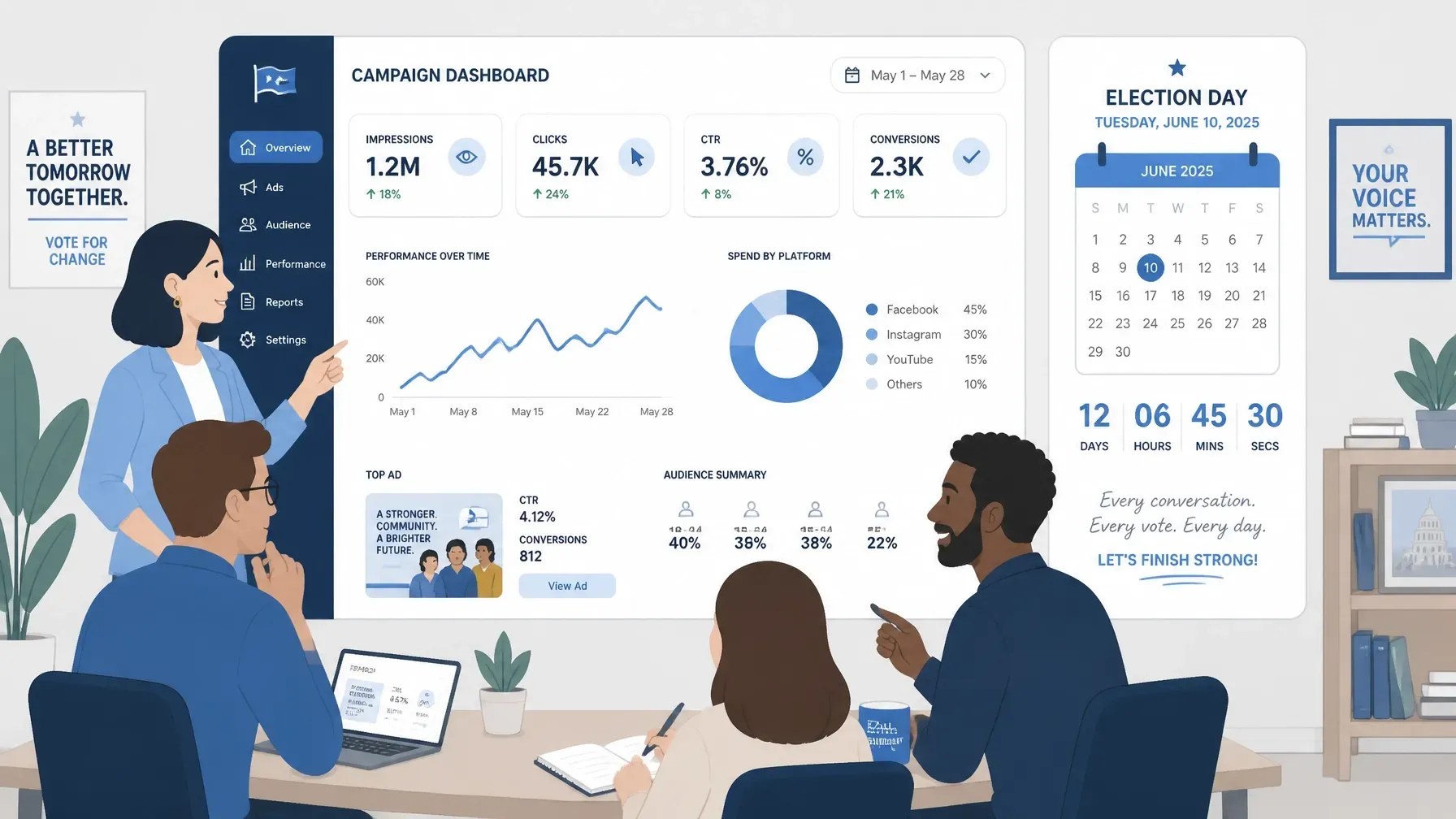
- Audit Your Reporting:"Likes" don't win. Look for "Completed View Rates" and "Frequency" metrics that show real saturation.
- Be the Expert: Educate your candidates on why being on the "big screen" (CTV) matters more than a viral tweet.

Bottom Line: It’s Time to Level Up
The 2026 cycle is going to be the most expensive and technologically complex election in history. As a small agency, your value isn't just in your creativity, it's in your ability to be a good steward of your client's resources.
Every time you hit "Boost," you’re taking the easy way out. And in politics, the easy way out is the fastest way to a concession speech.
Your clients deserve better than a 'Boost' button. Give them a real digital strategy.
The great news is that you don’t have to do it alone. Turn It Blue Ads is here to be your back-end digital department. We provide the tech, the data, and the support you need to look like a hero to your candidates.
Ready to stop boosting and start winning? Launch your campaign on Turn It Blue Ads today and see why the best progressive agencies have made the switch to programmatic.
Share this Content!