Why Your Neighbor is Seeing Your Opponent’s Ads (and Not Yours)
Why Your Neighbor is Seeing Your Opponent’s Ads (and Not Yours)
![[HERO] Why Your Neighbor is Seeing Your Opponent’s Ads (and Not Yours)](https://cdn.marblism.com/bmvWkZA52b_.webp)
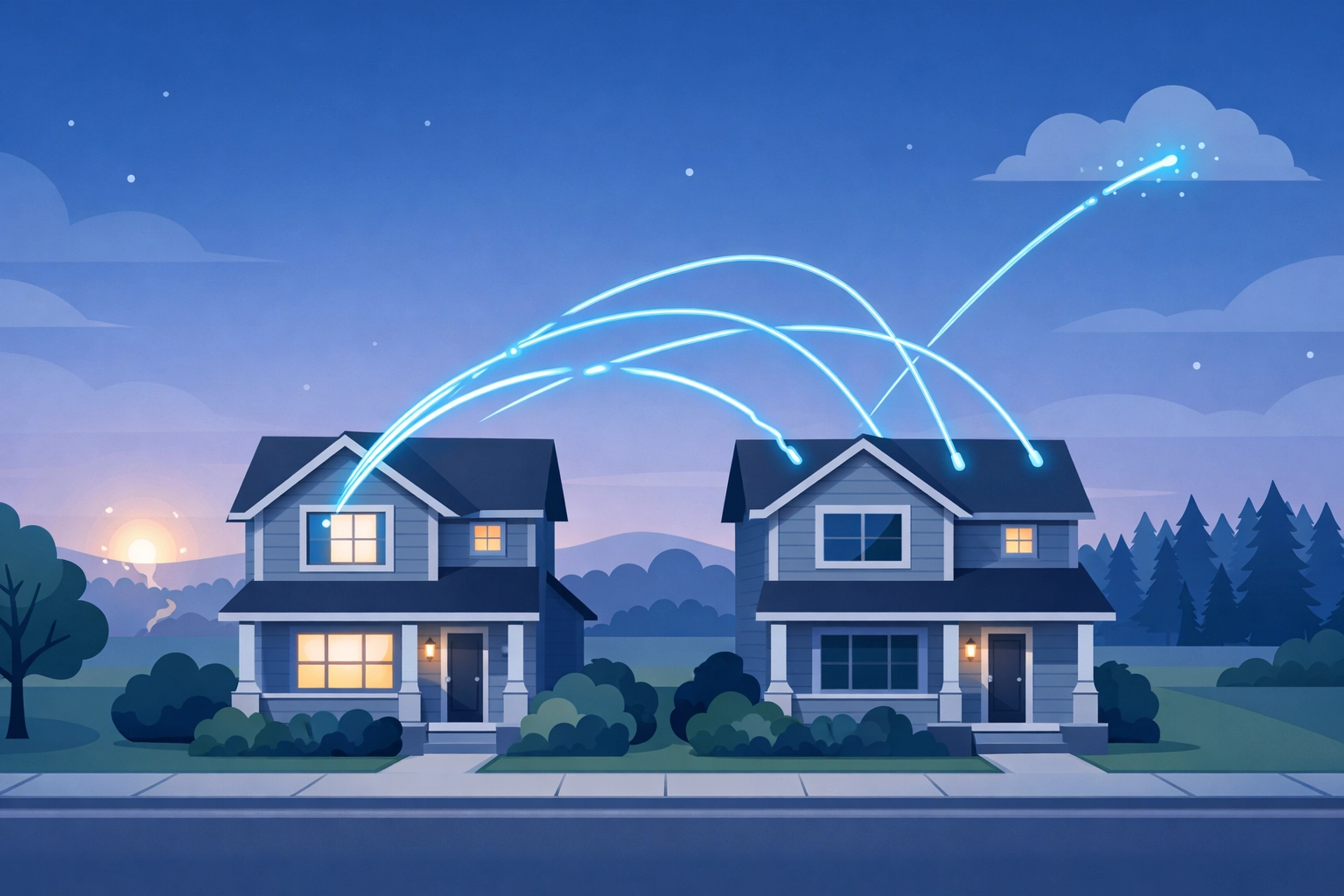
Imagine it’s a Tuesday evening. You’re sitting on your porch, scrolling through your phone, while your neighbor across the street is doing the same. You both live in the same precinct, shop at the same grocery store, and send your kids to the same school. But there is a glaring, high-stakes difference: your neighbor is seeing a high-impact video ad for your opponent, while your campaign’s message is nowhere to be found.
Don't let your digital budget get lost in the algorithm.
In the fast-paced world of 2026 politics, visibility isn't just about who spends the most; it's about who spends the smartest. If your opponent’s ads are haunting your neighborhood while yours are stuck in digital limbo, you aren't just losing eyes, you’re losing the race. This isn't a fluke of the internet; it’s a failure of targeting.
Here’s why your digital strategy might be hemorrhaging money and how you can fix it before the polls open.
The Trap of "Unverified Reach"
Most campaigns believe that if they put money into "digital advertising for political campaigns," they are automatically reaching voters. This is a dangerous assumption. Many platforms sell you on "reach" and "impressions," but they rarely talk about Unverified Reach.
Unverified reach happens when an algorithm prioritizes serving your ad to the easiest, cheapest person to find, not the most relevant one. If you’re running a broad geo-targeted campaign, the algorithm might decide to show your ad 50 times to a teenager in the next county over because they’re "online right now," while completely bypassing the undecided primary voter living three doors down from you.
Broad geographic targeting is the fastest way to set your campaign budget on fire.
When you rely on basic zip code or city-wide targeting, you are shouting into a hurricane. You’re paying for noise. At Turn It Blue Ads, we’ve seen countless campaigns come to us after realizing their "sophisticated" digital buy was actually just a glorified boost that hit everyone except the people who actually turn out to vote.
Precision Over Power: The Tunnl and L2 Advantage
How do you ensure your ad hits the neighbor’s screen and not a random bot? It starts with the right voter targeting data.
In the 2026 cycle, basic voter files are the bare minimum. To win, you need behavioral profiling and household-level precision. We prioritize industry-leading data from partners like Tunnl and L2 to build a surgical strike for your media buy.
Here’s how it works:
- Voter File Matching: We don't just target "Democrats." We target "Frequent Primary Voters who care about climate policy."
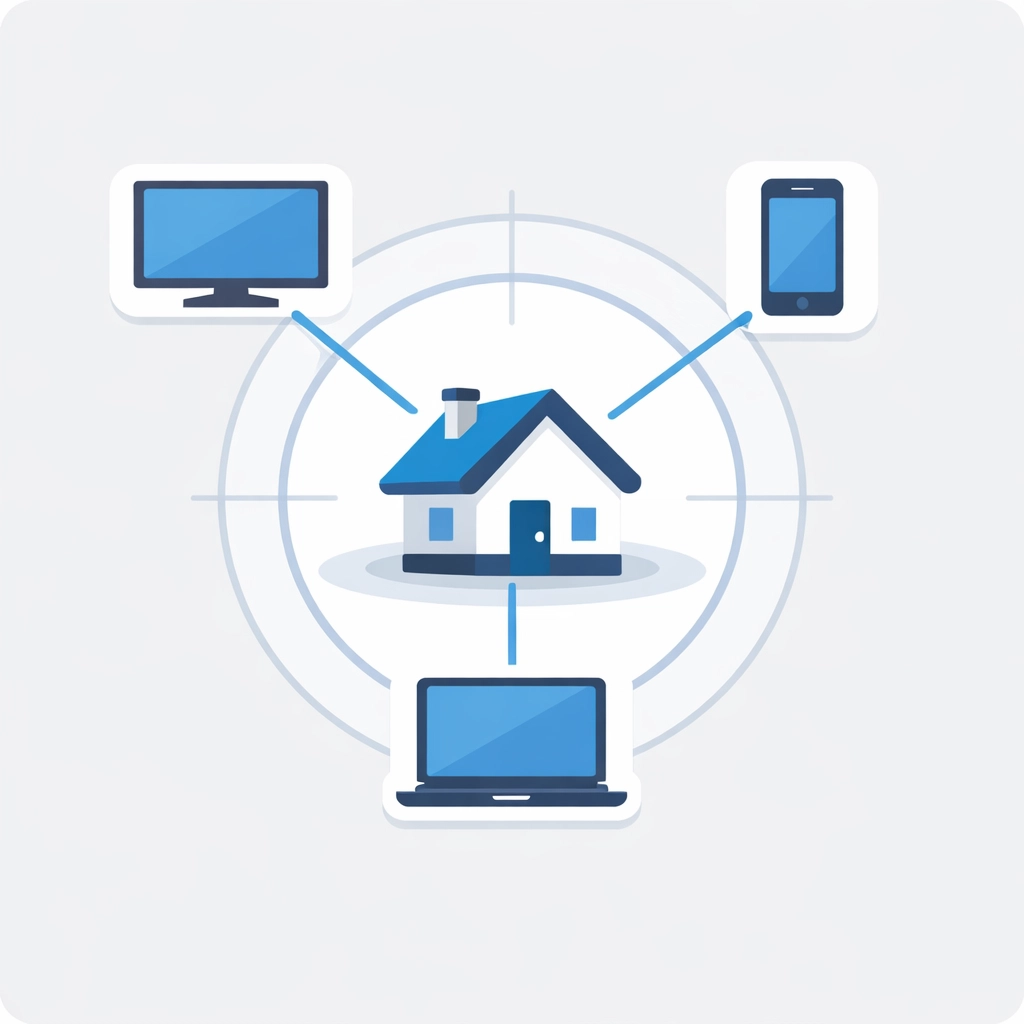
- IP Mapping: We match those specific voter profiles to specific IP addresses. This means we aren't targeting a "area", we are targeting a front door.
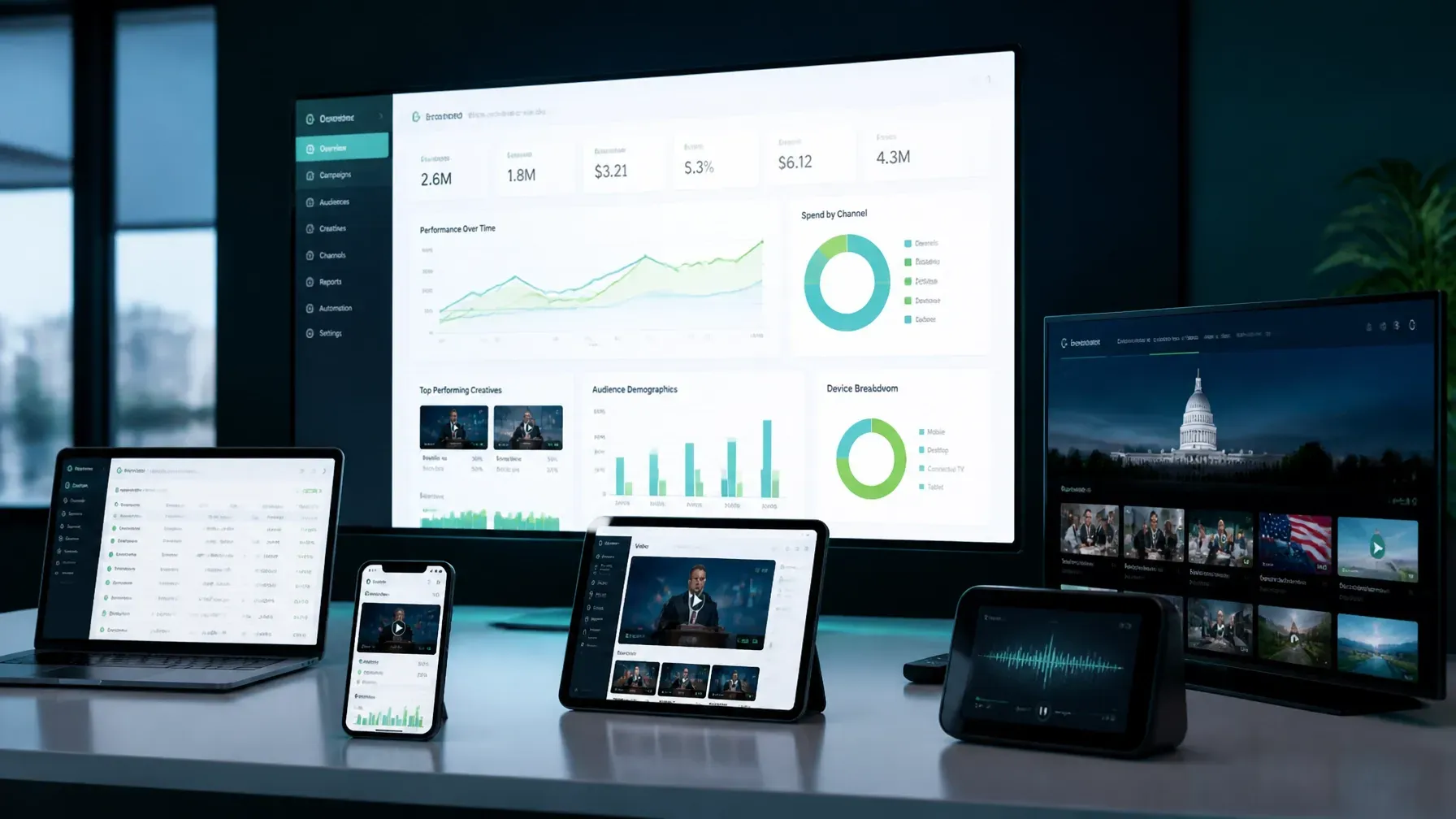
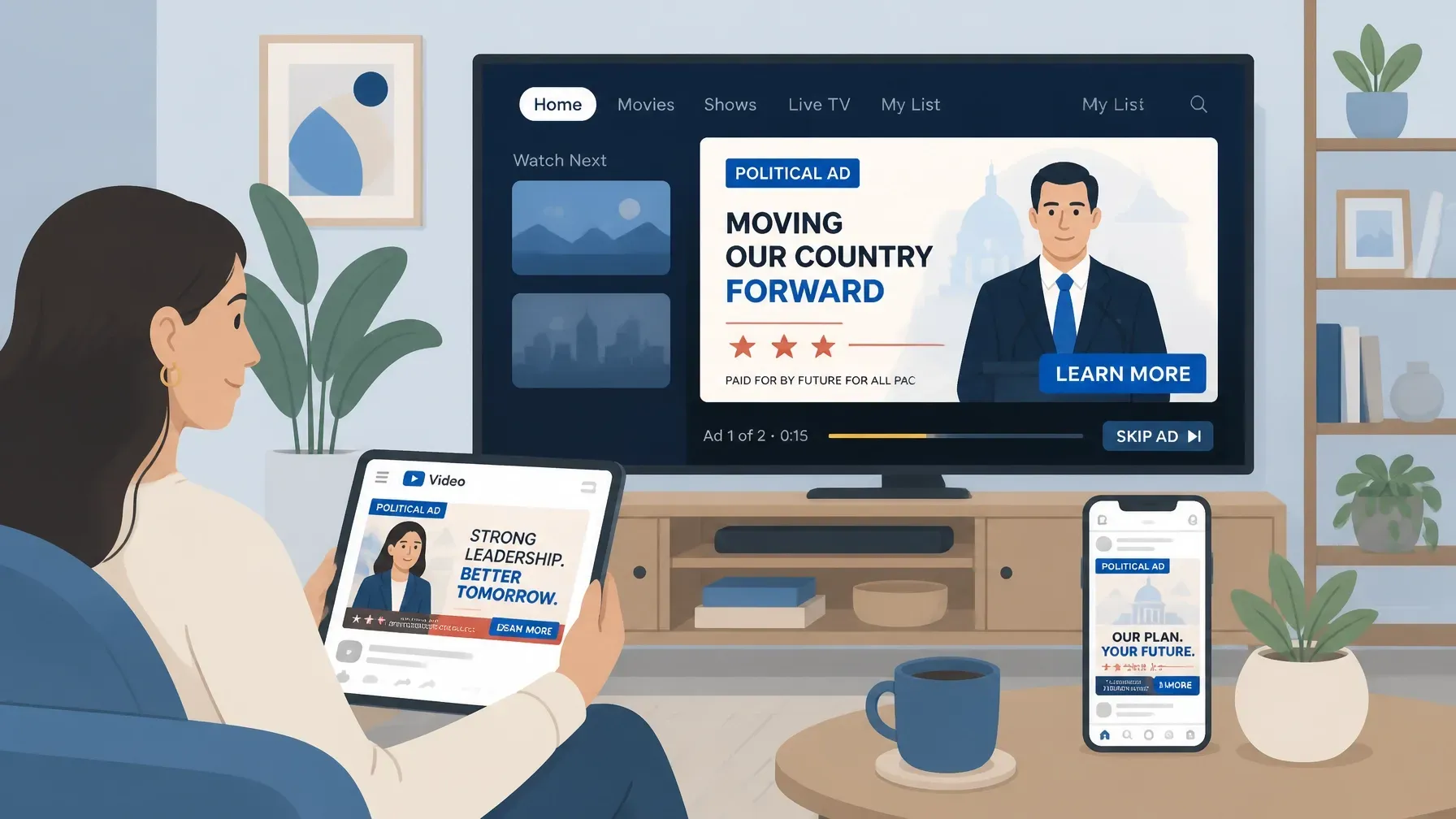
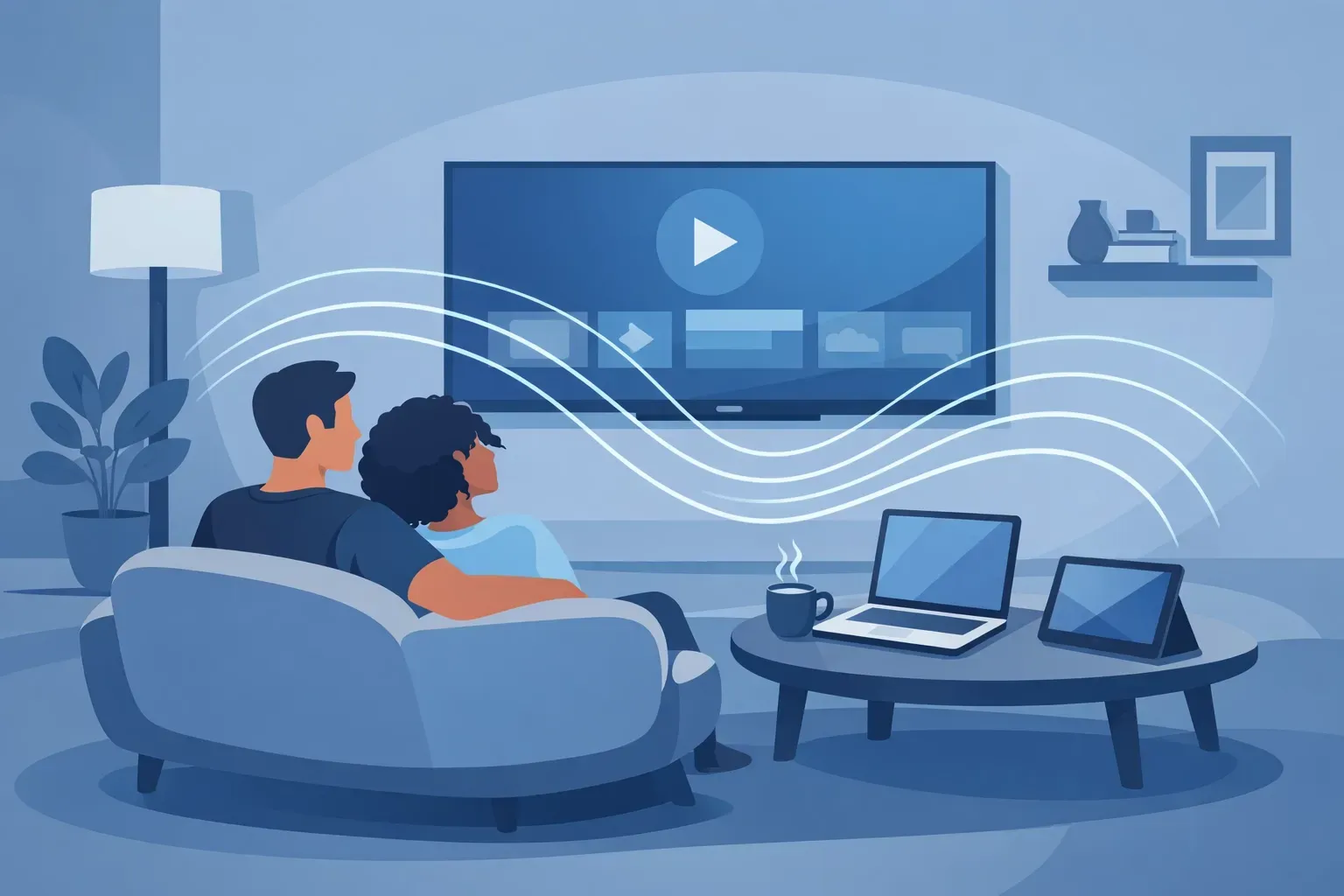
- Cross-Device Identification: Once we identify that household, we can reach them on their Connected TV (CTV), their laptop, their smartphone, and even their smart speakers via programmatic audio.
By using Tunnl-driven insights, you can stop guessing who is seeing your ads and start guaranteeing it.
This level of precision is why our clients have seen an 85% win rate. It’s also why we were honored with the 2025 Award for 'Best Political Service Team' by Campaigns & Elections Magazine. We don't just give you a login; we give you a path to victory built on data that actually works.
Why Your Opponent is Winning the "Digital Ground Game"
If your opponent is visible and you aren't, they’ve likely moved beyond the "Boost Post" button. They are likely using a full programmatic ad suite. While many campaigns fixate solely on CTV, the winners of 2026 are using a multi-channel approach that surrounds the voter.
If your neighbor sees an ad for your opponent on their Roku, then hears a 30-second spot on Spotify, and later sees a display banner on a local news site, that opponent has achieved 8-12 touch-points. That’s the "tipping point" of persuasion.
If you are only running ads on one platform, you are a ghost to the modern voter.
The Myth of the "Million-Dollar Requirement"
A common misconception in political tech is that you need a Silicon Valley bankroll to access this kind of technology. That couldn't be further from the truth.
While it’s true that you have to compete on budget to some extent, efficiency is a force multiplier. A $5,000 budget used with precision targeting will always outperform a $50,000 budget used with sloppy, unverified reach.
At Turn It Blue Ads, we’ve made it our mission to level the playing field. You can launch a professional, data-driven programmatic campaign with a $500 minimum.
This means down-ballot candidates, school board members, city councilors, and state reps, can now use the same high-level tech that Senate campaigns use. You don't need a million dollars; you just need to stop wasting the dollars you have.
💥 The 3-Step Strategy to Reclaim Your Neighborhood 💥
If you suspect your digital strategy is failing the "neighbor test," here is your emergency checklist:
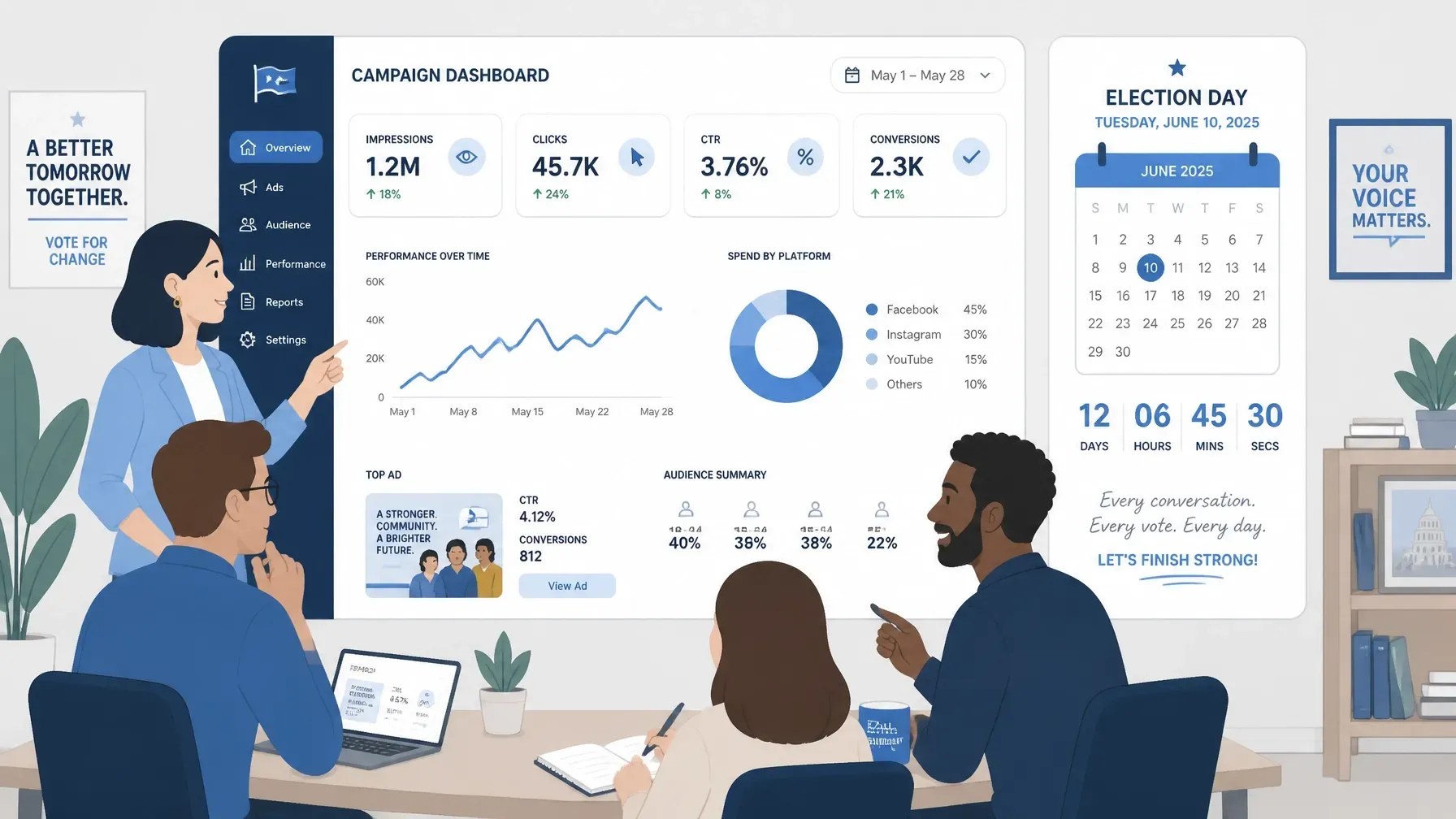
- Audit Your Audience: Ask your current provider for a "Match Rate" report. If they can’t tell you exactly how many of your targeted voters were matched to digital IDs, you’re buying unverified reach.
- Diversify the Medium: Are you only on Facebook? You’re missing the 40% of voters who have "cut the cord" and moved to streaming audio and CTV. Use our full suite, Display, Online Video, Audio, and CTV, to ensure you’re everywhere your opponent is.
- Update Your Data: Ensure your voter targeting data is fresh. Using a 2024 list for a 2026 race is a recipe for disaster. We integrate with Tunnl to ensure your segments are updated in real-time based on the latest polling and behavioral shifts.
Ready to start targeting the right households? Sign up today.
Bottom Line: Visibility is a Choice
The reason your neighbor sees your opponent’s ads is likely because your opponent has chosen a platform that prioritizes voter verification over impression volume.
In a cycle where every vote counts, especially in the razor-thin margins we expect in 2026, you cannot afford to let your digital budget get lost in the algorithm. You need a partner that understands the nuance of progressive messaging and the technical requirements of modern political advertising.
We’ve built Turn It Blue Ads to be that partner. Whether you are a solo campaign manager or a 10-person agency, our self-serve programmatic platform gives you the keys to the kingdom. You get the data, the reach, and the support of an award-winning team, all starting at a budget that makes sense for your race.
Stop being the "hidden" candidate. Start being the one your neighbors, and more importantly, your voters, can't ignore.
Take Action Now
Don't wait until the final three weeks of the campaign to realize your digital strategy was flawed. The most successful campaigns build their digital frequency early, establishing trust and name ID long before the mailboxes start overflowing with flyers.
Key Takeaway: Precision targeting isn't a luxury; it's a survival requirement. Use Tunnl data, embrace programmatic variety, and demand transparency in your reach.
Explore our Creative Portfolio to see how we win.
Share this Content!