Digital Door-Knocking: Retargeting the $44M Ground Game
Digital Door-Knocking: Retargeting the $44M Ground Game
![[HERO] Digital Door-Knocking: Household Retargeting the $44M Ground Game](https://cdn.marblism.com/cOWr3oau0GT.webp)
The Progressive Turnout Project recently dropped a bombshell: a $44 million investment in the ground game. That’s real money for real conversations—volunteers and organizers knocking doors, walking lists, and having the kind of face-to-face moments that move voters.
It’s a brilliant strategy. But here’s the problem most campaigns face: What happens when the door closes?
You get a great five-minute conversation at the doorstep. The voter is engaged. They’re nodding. They’re open. Then life hits—texts, work, kids, news alerts—and by dinner, your conversation is already fading.
The momentum is gone. The handshake was successful, but the conversion is at risk.
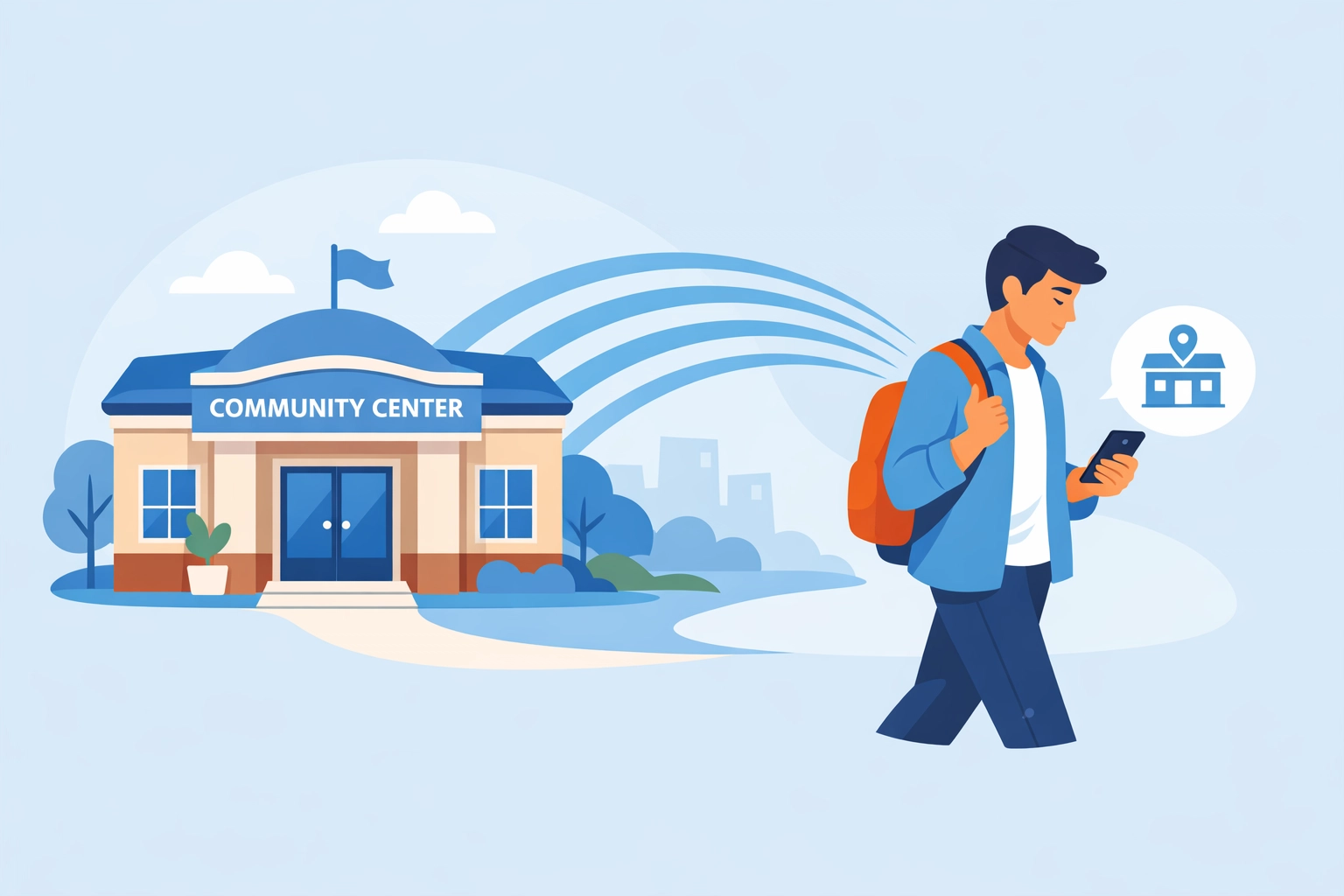
At Turn It Blue Ads, we believe in a simple truth for 2026: A handshake wins the vote; a digital ad keeps it. Let’s talk about how to bridge that gap using digital door-knocking —built around household-level retargeting, not “third place” geo-fences.
The Strategy: Household-Level Reinforcement
The ground game gets you the introduction. Our job is to make sure it sticks.
Here’s why: geo-fencing “hubs” can be useful, but it’s not the point. Door-knocking happens at homes, so your follow-up should hit those exact households. Not a zip code. Not a barber shop. The doors you actually knocked.
Here’s how household-level retargeting works in plain English:
- You start with a turf list(the same one your canvassers use).
- You sync that list into Turn It Blue Ads using voter file partners like L2 or TargetSmart.
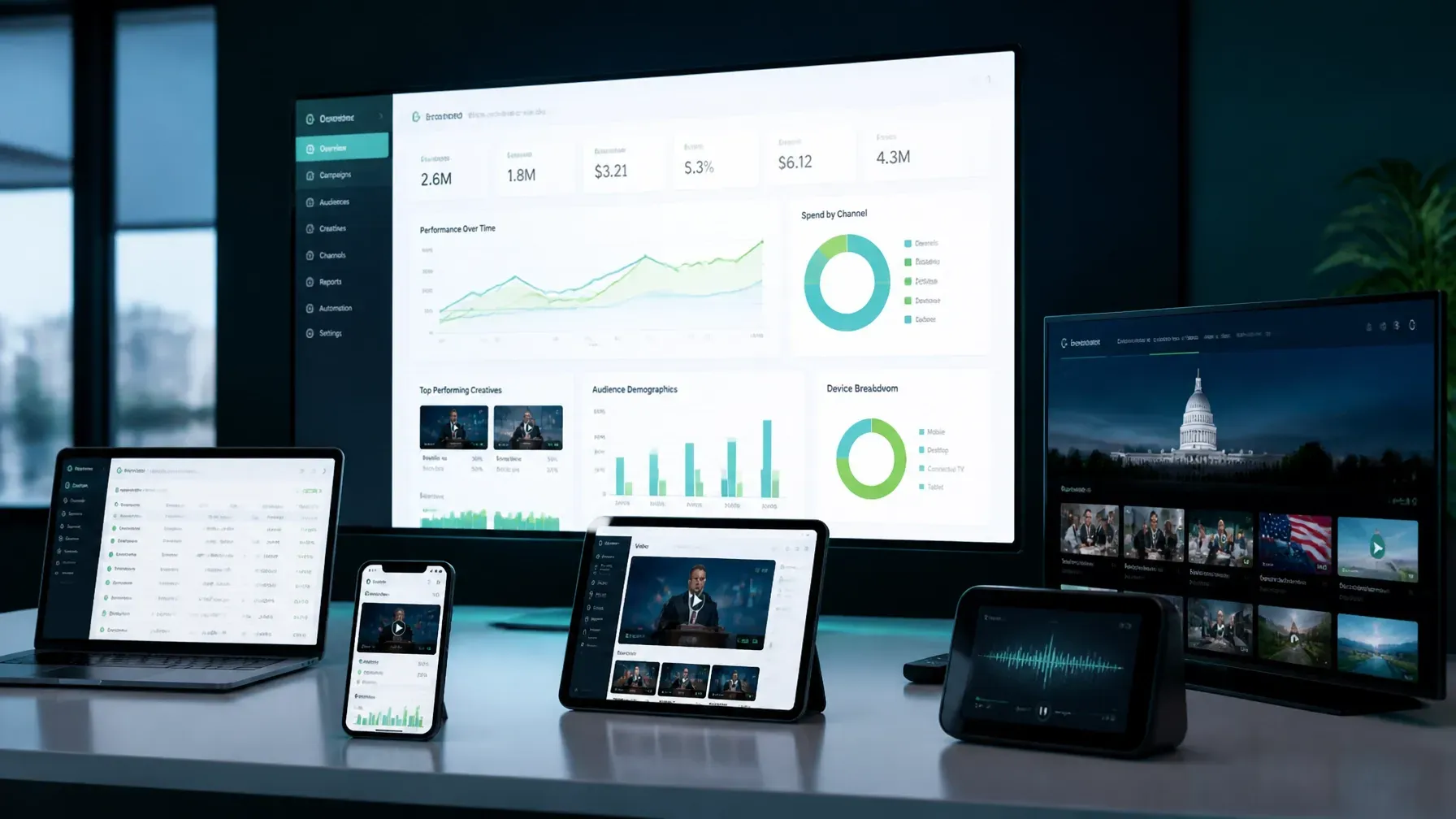
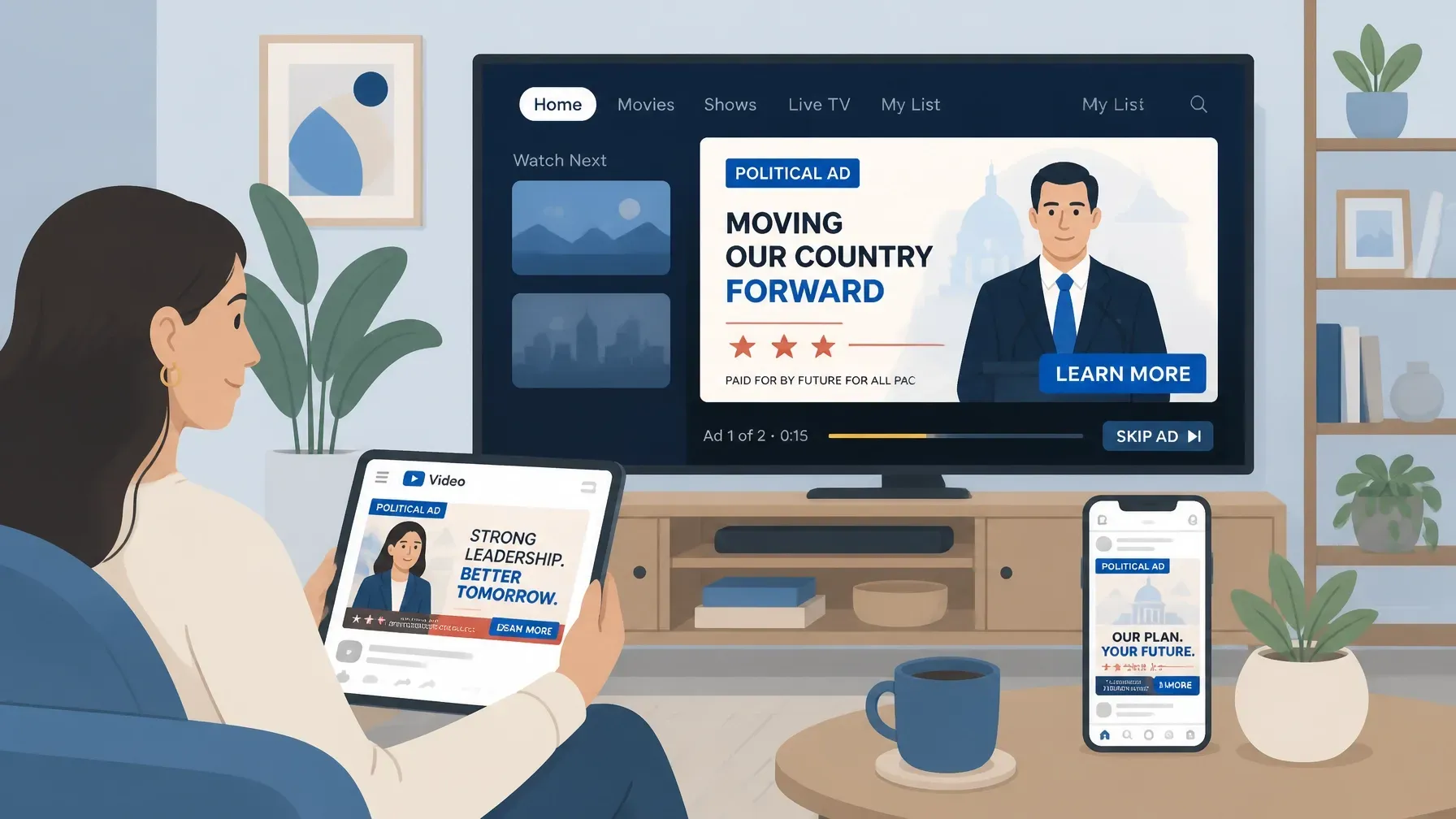
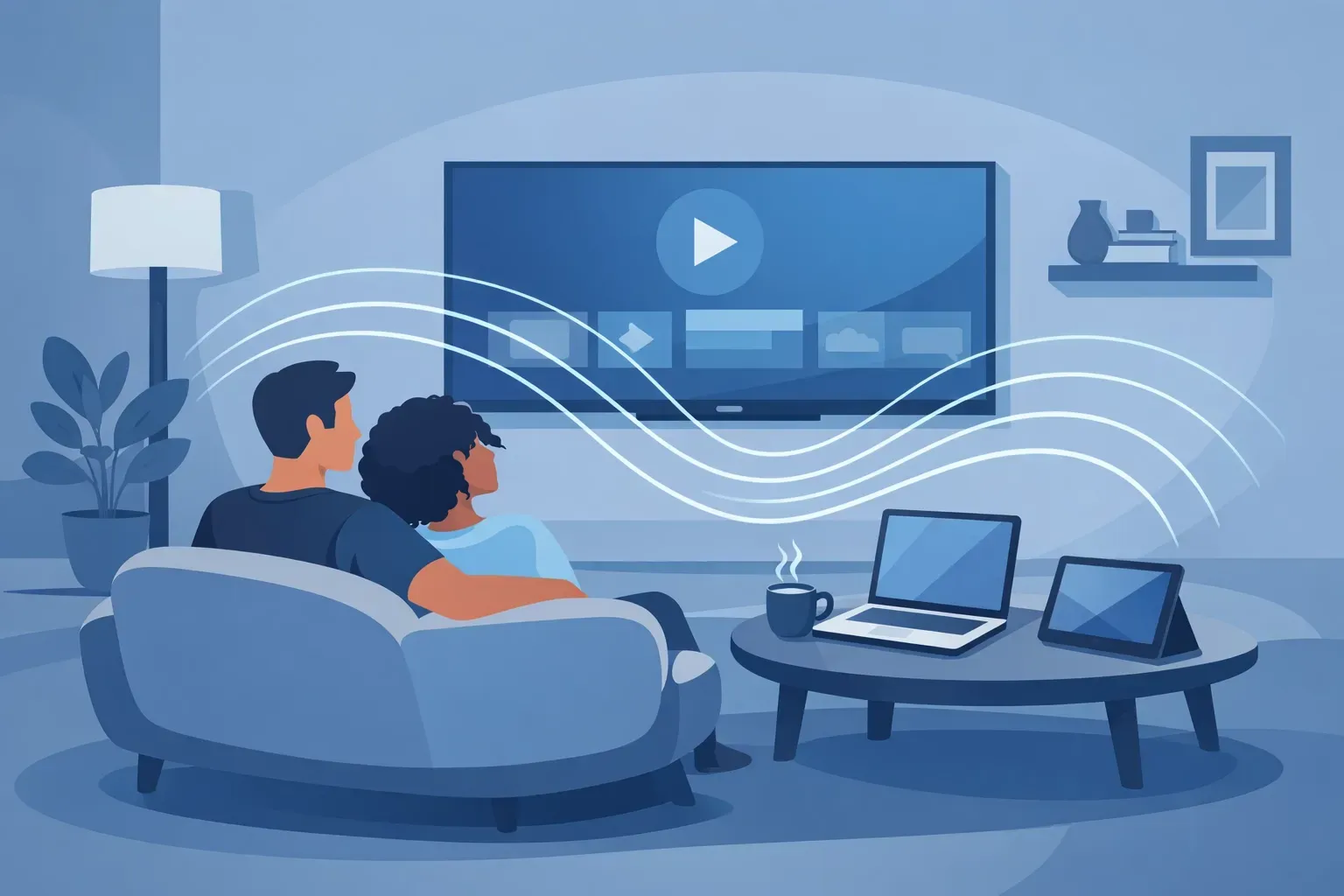
- We serve ads to those households across premium streaming TV (CTV) and the rest of programmatic—display, online video, and audio—so your message shows up where people actually spend time.
Key takeaway: You’re reinforcing the doors you touched—before and after the knock—so the conversation doesn’t end on the porch.
Moving Beyond "Boosting"
Many small-to-midsize progressive agencies try to replicate this on social media by "boosting" posts to a local radius. Don't do that.
Boosting a post is like throwing flyers out of a plane and hoping they land on the right porch. It’s imprecise, it’s expensive, and frankly, it’s a waste of your donor’s money. If you want to see why sophisticated agencies are moving away from the "Boost" button, check out our survival guide for progressive agencies.
Instead, we use a full programmatic suite. This includes:
- Display Ads: Visual banners on millions of high-traffic websites.
- Online Video (OLV): Pre-roll ads on news sites and YouTube.
- Digital Audio: Ads on Spotify, iHeartRadio, and podcasts.
- Connected TV (CTV): High-impact ads on streaming services like Hulu and Roku.
When you combine these tools with specific location data, you’re no longer just "advertising." You’re digital door-knocking.
Turning Turf Lists Into Ads (Without Guessing)
At Turn It Blue Ads, we don't just guess who your voters are. We prioritize high-quality data partners like Tunnl —and we can also work with your turf inputs from L2 or TargetSmart —to ensure your ads are hitting the right screens.
Here’s how: you already have the list. It’s your doors. Your turf. Your universe. When you sync that into Turn It Blue Ads, you’re no longer buying “local impressions.” You’re buying reinforcement against the exact households your canvassers are spending time on.
That means you can stay focused on the voters that matter most—persuadables, low-propensity supporters, inconsistent Dems—without wasting budget on whoever happened to walk into a random building.
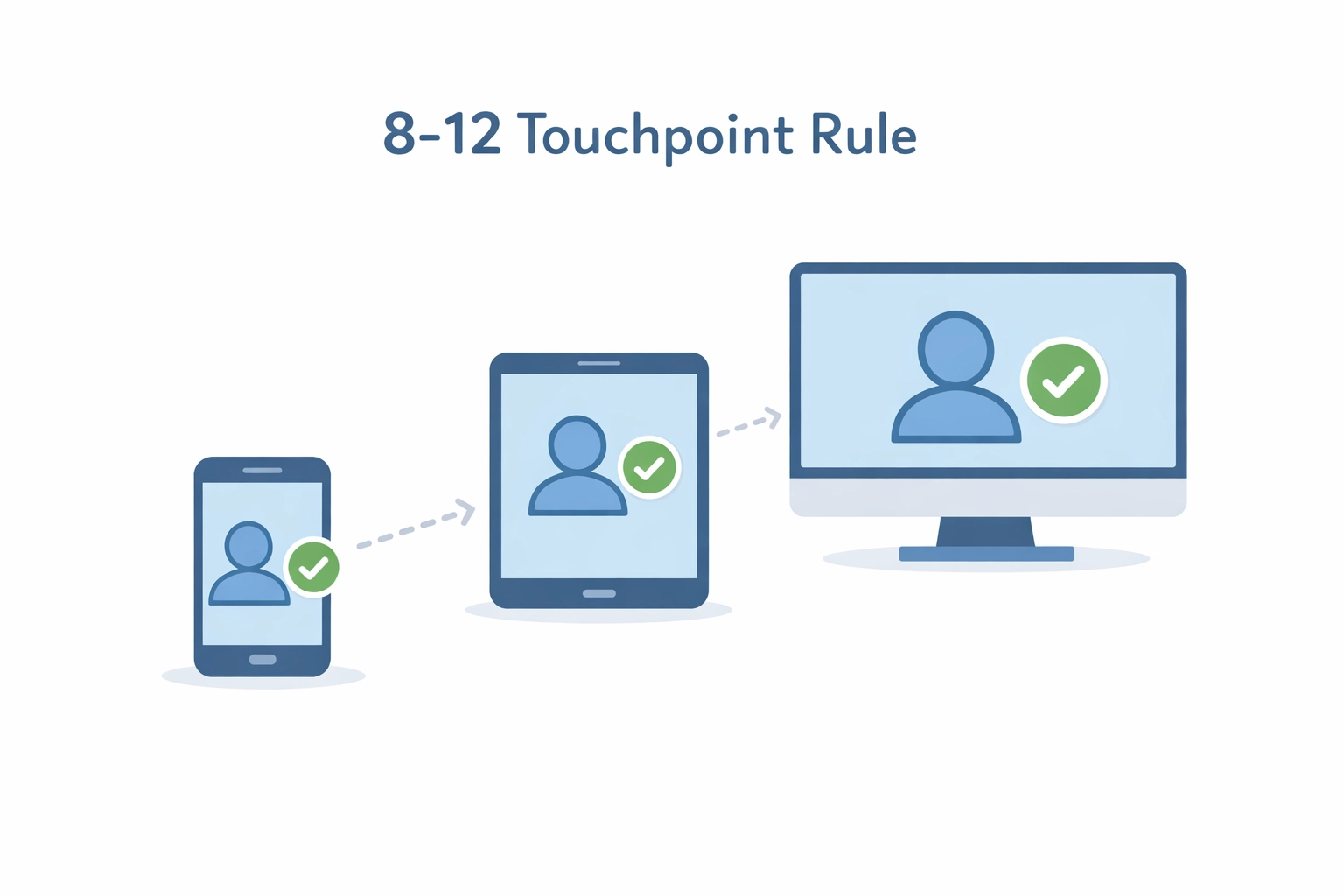
The 8-12 Touchpoint Rule
Political science tells us that a voter needs between 8 and 12 touchpoints before a message truly sinks in. A door knock is one. A mailer is two. But you can’t knock on the same door 12 times without looking like a stalker.
Digital ads allow you to hit those remaining 6 to 10 touchpoints silently and effectively. We keep your candidate top-of-mind without being intrusive.
Scaling for Small-to-Midsize Campaigns
You might be thinking, "This sounds like something only a $44M budget can afford."
That’s where you’re wrong.
One of the reasons Turn It Blue Ads was named the 2025 ‘Best Political Service Team’ by Campaigns & Elections Magazine is our commitment to making elite tech accessible. We’ve built a platform where you can launch a professional, data-driven programmatic campaign with a minimum of just $500.
You don't need a million-dollar war chest to compete. You just need to be smarter with the budget you have. By focusing your spend on the specific community hubs where your ground team is already working, you maximize every single dollar.
Ready to get started? Sign up here to launch your first campaign!
Case Study: The Before & After Effect (Household Retargeting)
Imagine a local State House race with limited turf. You’ve only got a few hundred doors you can realistically hit well. Perfect.
Here’s how you turn those knocks into compounding trust:
- Monday: The household sees a 15-second CTV ad while streaming (high impact, high attention).
- Tuesday: Your canvasser knocks the same door and has the conversation (the human moment).
- Wednesday: The household starts seeing follow-up display ads and online video (reinforcement without pestering).
That sequence is the game-changer. It builds name ID. It builds familiarity. And it makes your canvass touch more believable because the voter feels like they’ve already “met” you.
This isn't theory. Our clients see an 85% win rate when they use our full ad suite to supplement their ground game. It’s about creating a "surround sound" effect for your campaign.
Don’t Let the Ground Game Go to Waste
The Progressive Turnout Project is doing the hard work of getting people to listen. But in a 24/7 news cycle, listening isn't enough. You have to ensure they remember.
If you're a progressive agency or a Democratic campaign manager, your goal should be to bridge the physical and digital worlds. Use your campaign hub to track where your people are, and let us handle the digital retargeting.
Here’s why this matters now: 2026 is going to be the most expensive midterm cycle in history. You cannot afford to lose a single voter who has already expressed interest. Every handshake that doesn't lead to a digital follow-up is a missed opportunity.
Bottom line:
The ground game wins hearts; the digital game wins ballots. By retargeting the exact households you’re door-knocking—before and after the canvasser arrives—you maximize the ROI of that $44M ground game and make sure the conversation doesn’t end when the door closes.
Start your digital door-knocking strategy today. Create your account!
Share this Content!