

Linear vs. CTV: How to Avoid Wasting Budget on the Same Voters
Linear vs. CTV: How to Avoid Wasting Budget on the Same Voters
![[HERO] Linear vs. CTV: How to Avoid Wasting Budget on the Same Voters](https://cdn.marblism.com/qP8QGjD-55q.webp)
Stop paying twice for the same eyeball.
It’s the final stretch of the campaign cycle. Your war chest is healthy, your creative is sharp, and your media buy is hitting six or seven figures. You feel confident because your ads are running during the local news and every major sporting event. But then the internal polling comes back, and you realize you aren't moving the needle with the very persuadable voters you need to win.
Here is the hard truth: if you are relying primarily on a traditional linear TV buy, you aren't just missing voters, you are likely "nickel and diming" your own budget by showing the same ad to the same people over and over again while ignoring a massive chunk of the electorate.
In the world of modern political advertising, the goal isn't just "reach." It’s incremental reach. It’s about finding the people who aren't seeing your ads on broadcast television and ensuring your message hits their screens without burning cash on redundant impressions.
At Turn It Blue Ads, we’ve seen how this strategy wins races. With our 85% win rate for clients and our 2025 Award for "Best Political Service Team" from Campaigns & Elections Magazine , we know that efficiency is the difference between a victory party and a concession speech.
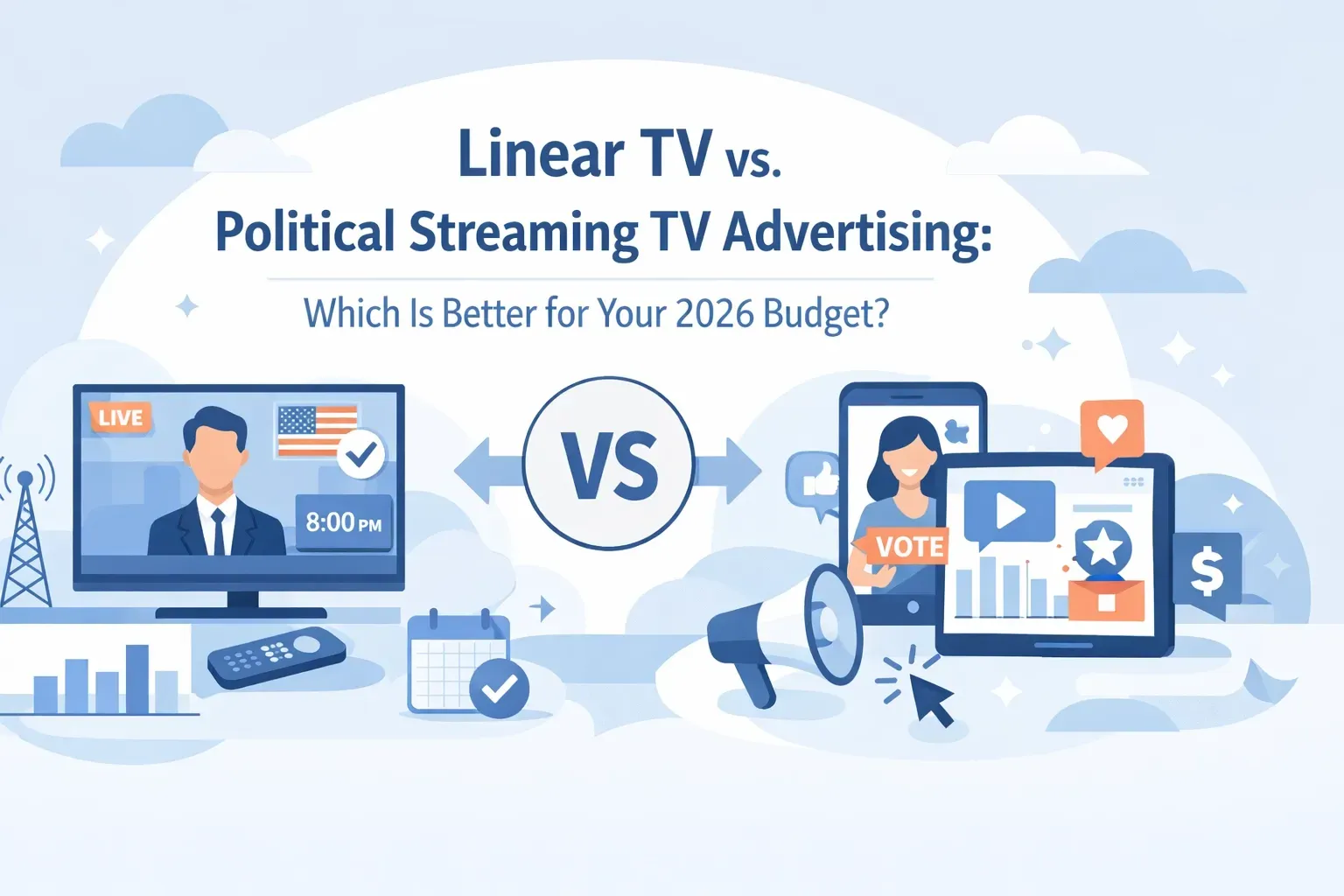
The Myth of the "Linear-Only" Boomer
For years, the conventional wisdom in political consulting was simple: "Voters are older, and older people watch linear TV."
That might have been true in 2016. In 2026, it’s a dangerous fantasy.
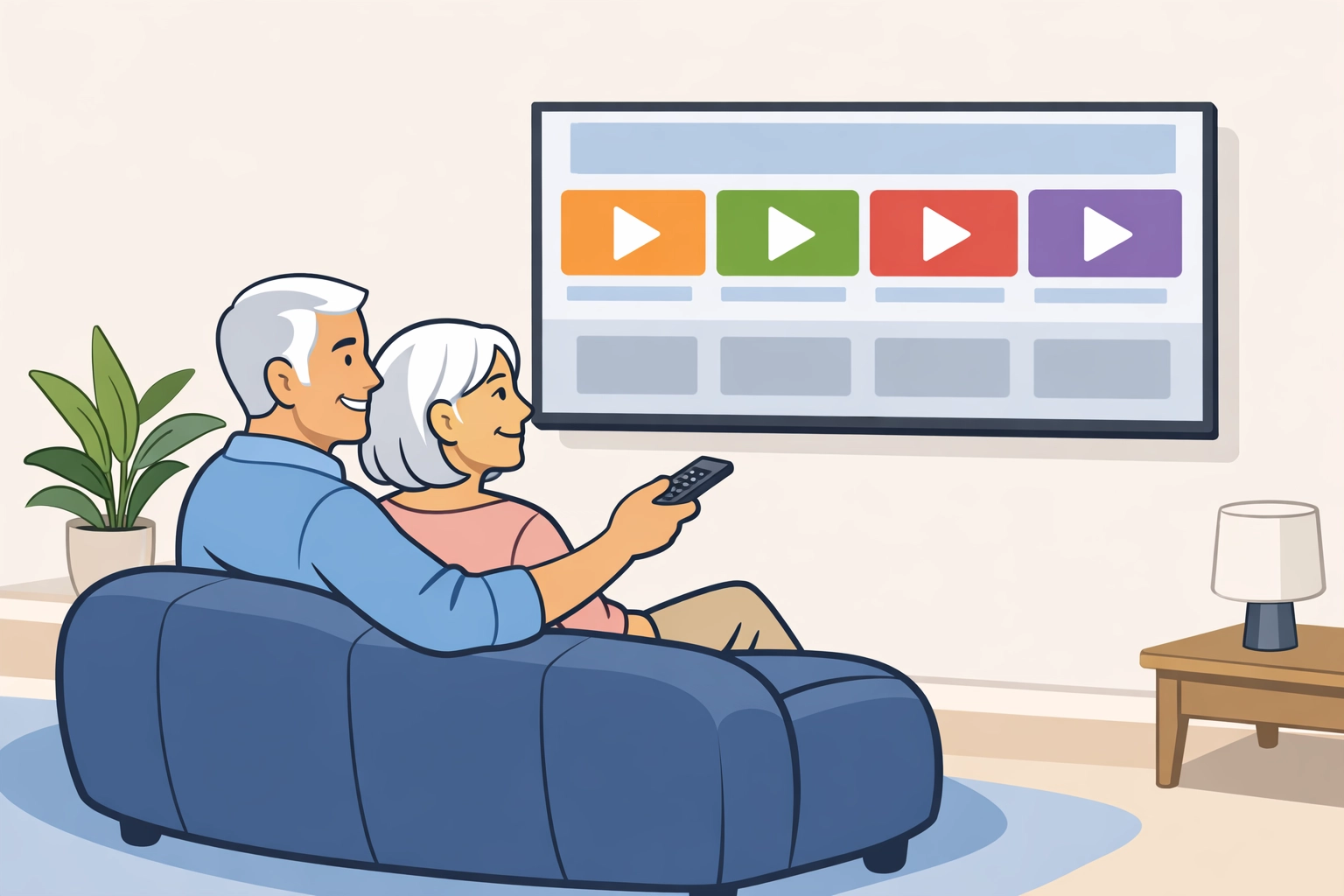
The "Silver Tsunami" has officially moved to streaming. Recent data shows that all demographics, including Boomers and voters over 65, are now streaming CTV content at record rates. Whether it’s watching Jeopardy! via YouTube TV or catching a procedural drama on Paramount+, your "traditional" voters are no longer tied to a cable box.
When you buy a heavy linear schedule, you are targeting a shrinking pool of "heavy" linear viewers. These are the folks who still have a traditional cord and keep the TV on all day. If you then add a generic CTV buy on top of that without a data-driven strategy, you aren't finding new people. You are just paying a premium to show your 30-second spot to the same grandmother for the 15th time today.
You cannot afford to treat CTV as an afterthought to linear. It is the primary vehicle for reaching the modern electorate.
What is Incremental Reach (And Why Should You Care?)
Incremental reach is a fancy way of saying "new eyeballs."
When we talk about optimizing a media buy, we are looking for the "Linear Gap." This gap consists of three specific types of voters:
- Cord-Cutters: Voters who have ditched cable entirely and only watch content via streaming apps.
- Cord-Nevers: Younger voters who have never signed up for a traditional cable package in their lives.
- Light Linear Viewers: People who might have cable but only use it for very specific events (like live sports), spending 90% of their "TV time" in streaming environments.
Here’s the problem: If your media agency tells you they are "doing digital" but they can't show you the deduplicated reach between your TV buy and your streaming buy, you are wasting money.
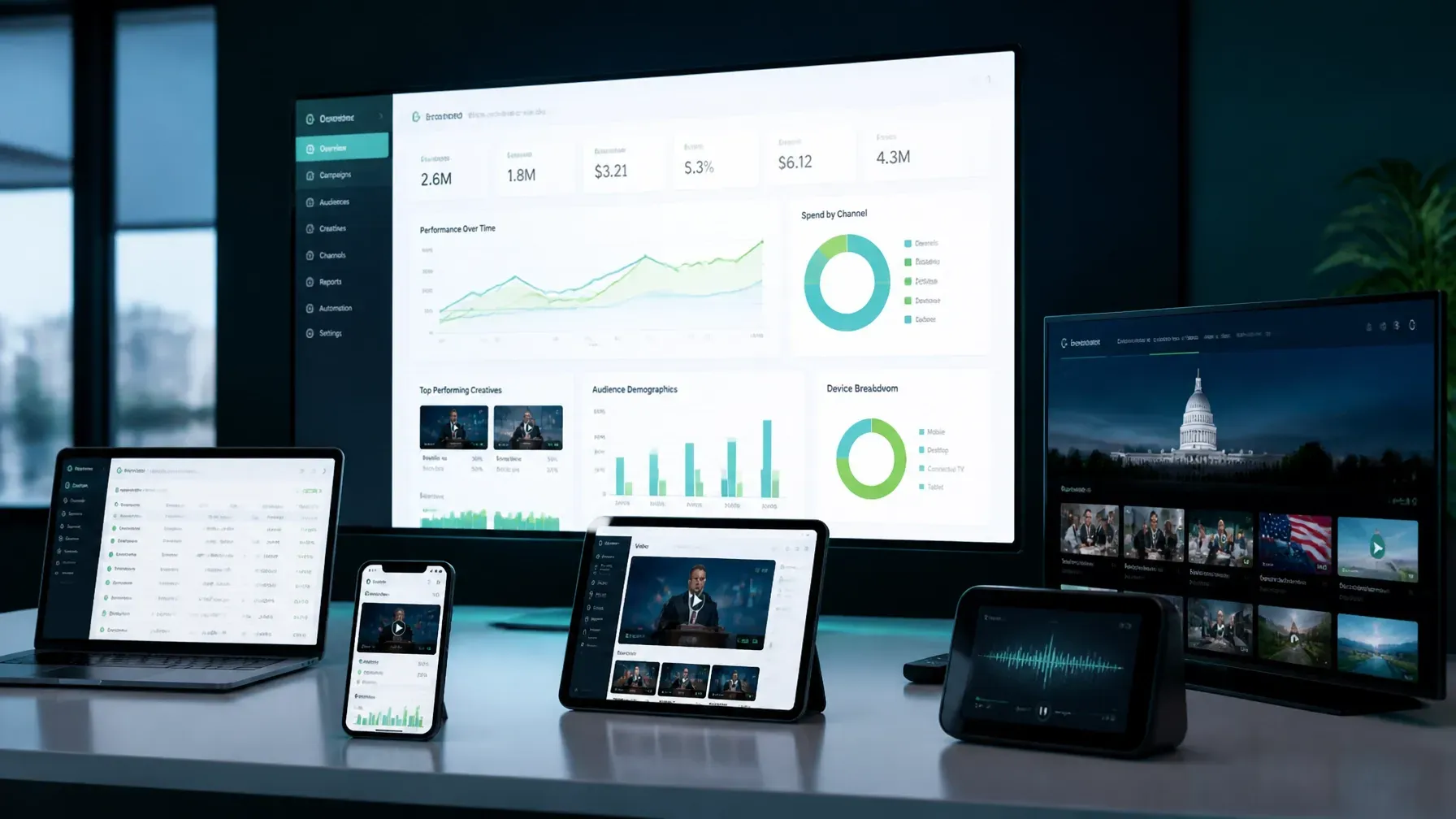
By using our programmatic suite, you can target the "unreachables." Instead of blanketing a zip code, we use precision data, powered by our partners at Tunnl , to identify exactly which households are not being reached by your broadcast buy. We then serve your CTV ads specifically to those households.
Bottom line: Every dollar spent on CTV should be a dollar spent reaching a voter who hasn't seen your ad elsewhere.
The Silent Budget Killer: Ad Fatigue
There is a point of diminishing returns in political advertising. Research shows that after a voter sees the same ad 8 to 12 times, the "persuasion" effect drops off and "annoyance" begins to climb.
Linear TV is a blunt instrument. You buy a "flight" on a local station, and you have almost zero control over how many times a specific household sees that ad. If they happen to watch that station all afternoon, they might see your face 20 times.
CTV offers a superpower that linear can't touch: Frequency Capping.
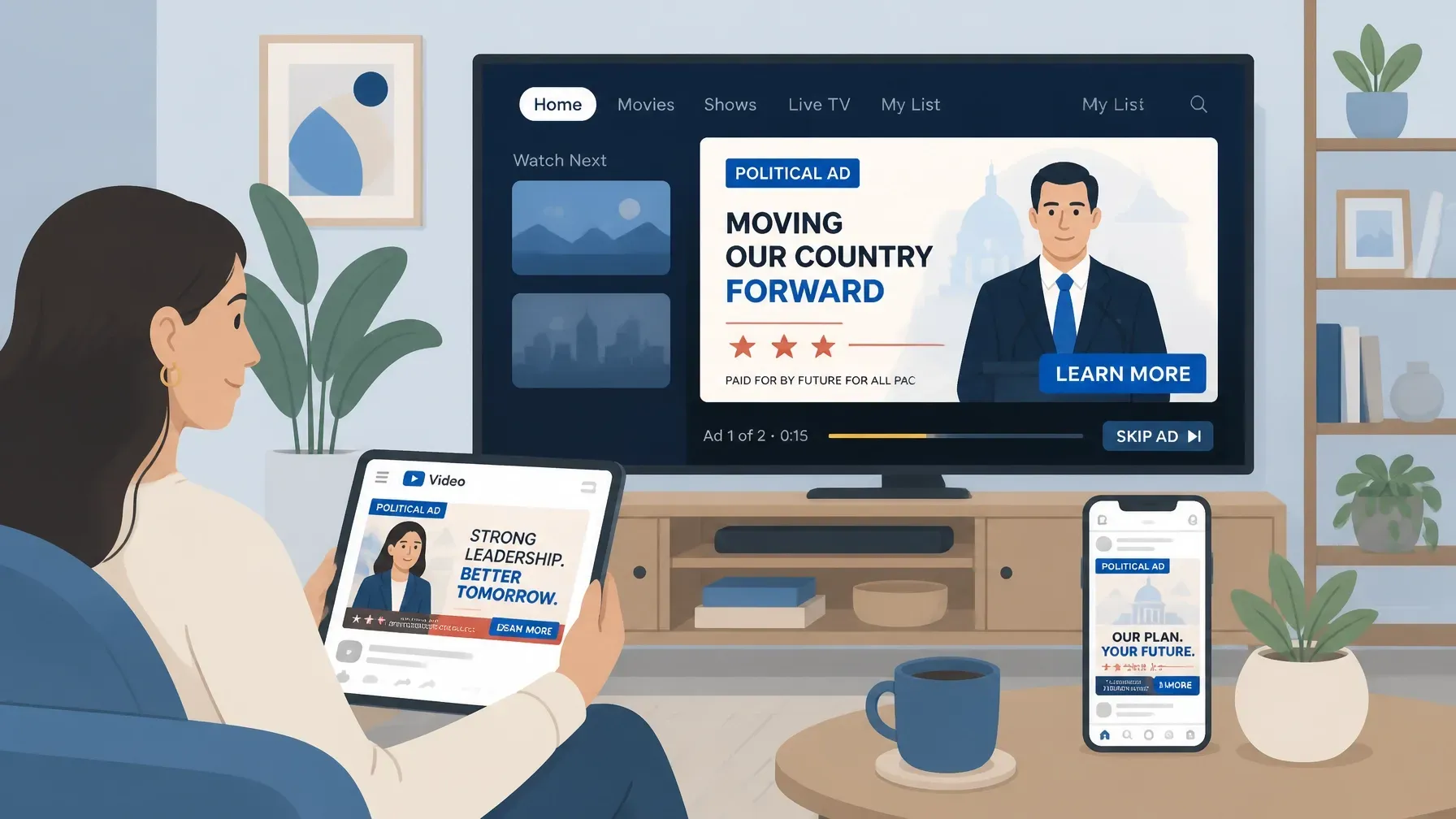
With Turn It Blue Ads, we can set strict limits on how often a voter sees your ad across their connected devices. This ensures your budget is spread thin enough to reach more people, rather than hitting the same person more often.
How to Bridge the Gap with Data
So, how do you actually execute this? It starts with moving away from "broad-buy" thinking and toward "voter-file" thinking.
Because we integrate directly with Tunnl , we don't just target "People in Ohio." We target "Persuadable Independent Women in Ohio who are Cord-Cutters."
1. Identify your "Linear Base"
Work with your media buyer to see what your broadcast buy is actually covering. Usually, this is about 40-60% of your target audience in a given market.
2. Deploy the "Safety Net"
Use CTV to catch everyone else. Instead of buying "Run of Network" (which is the digital version of a broad buy), use a targeted audience segment. This ensures that your CTV impressions are going to the 40-60% of voters who missed the evening news.
3. Control the Frequency
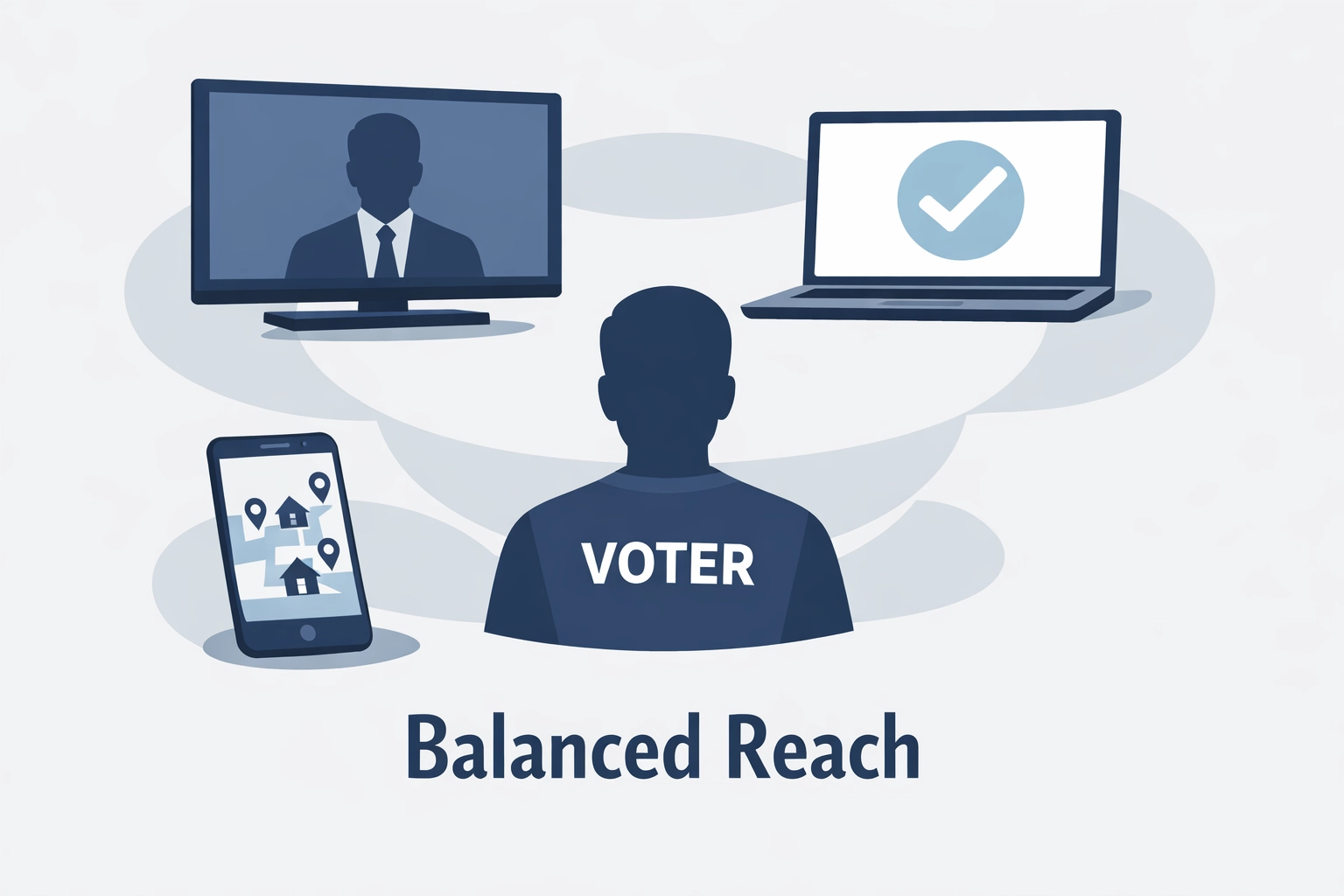
Implement a cross-channel frequency cap. If a voter sees your display ad on their phone and a video ad on their laptop, our system knows not to overwhelm them when they sit down to watch a movie on their smart TV that night.
4. Think Beyond the Big Screen
Remember, CTV is just one piece of the puzzle. To truly dominate a district, you need a full programmatic approach. This means following up that CTV spot with:
- Digital Display ads that reinforce the message while they browse the web.
- Online Video (OLV) for voters scrolling through social media or news sites.
- Digital Audio for the voters listening to podcasts or Spotify on their commute.
The $500 Threshold: No Buy is Too Small for Efficiency
A common misconception is that you need a million-dollar "Madison Avenue" budget to play in the CTV space effectively.
That couldn't be further from the truth. In fact, efficiency is more important for smaller campaigns with limited resources. At Turn It Blue Ads, we have a $500 minimum to launch. This allows local school board candidates or state rep hopefuls to use the same "incremental reach" technology that presidential campaigns use.
If you have $2,000 to spend, do you want to buy two 30-second spots on a local cable channel that might be seen by a few hundred people (most of whom can't vote for you)? Or do you want to serve 50,000 highly targeted impressions to the exact voters you need to flip?
The choice is obvious.
Stop Guessing, Start Targeting
The era of "spray and pray" media buying is over. The "Tipping Point" has passed, CTV officially outspends broadcast in high-stakes races for a reason. It works.
But it only works if you use it to find the voters you are currently missing. Don't pay twice for the same eyeball. Use the Turn It Blue Ads platform to find your "Linear Gap" and ensure every dollar in your budget is working to find a new vote.
Whether you are an agency managing dozens of buys or a candidate running your first race, we’re here to help you navigate the complexity of the digital landscape.
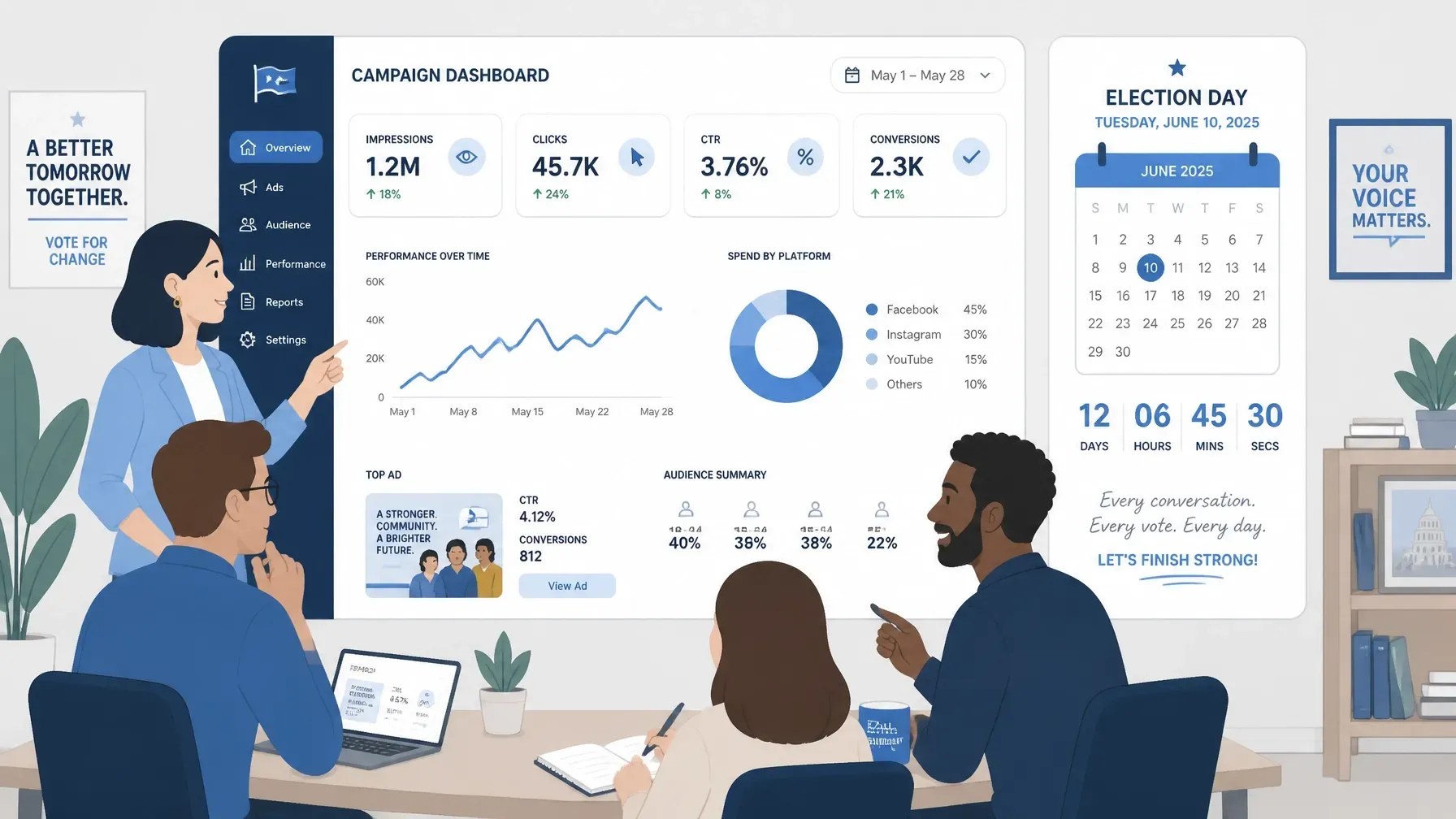
Ready to see how many voters you're currently missing? Schedule a demo with our team or dive into our Campaign Hub to start building your targeted buy today.
Share this Content!