Hyper-Local Impact: How School Board and City Council Races are Using Voter Targeting to Level the Playing Field
Hyper-Local Impact: How School Board and City Council Races are Using Voter Targeting to Level the Playing Field
![[HERO] Hyper-Local Impact: How School Board and City Council Races are Using Voter Targeting to Level the Playing Field](https://cdn.marblism.com/CuNrH_IOM0g.webp)
Here's something most people don't realize: the school board race in your district or that city council seat up for grabs? They're using the same voter targeting technology that presidential campaigns deploy.
And if you're running for one of these hyper-local seats, that should get your attention.
For too long, down-ballot candidates have been told they need to compete with name recognition, door-knocking marathons, and whoever has the deepest pockets for yard signs. But here's the truth, professional-grade voter targeting isn't reserved for national campaigns anymore. The same data that helps Senate campaigns identify persuadable voters block-by-block is now accessible to candidates running for school board, city council, or any local office.
The playing field just got a whole lot more level.
The David vs. Goliath Problem in Local Races
Let's paint the picture. You're challenging an incumbent city council member who's been in office for twelve years. They've got name recognition, a donor list that goes back a decade, and probably a few local business owners who'll max out their contributions without blinking.
You've got passion, a solid platform, and maybe $5,000 to $15,000 to work with.
Traditional campaign wisdom says you're outmatched. Conventional strategies tell you to knock more doors, make more calls, and pray your message breaks through. But here's what conventional wisdom misses: you don't need to match their budget dollar-for-dollar if you can out-target them voter-for-voter.
That's where voter targeting changes everything.
What Professional-Grade Voter Targeting Actually Means
When we talk about voter targeting, we're not talking about Facebook's basic demographic filters or guessing which neighborhoods lean your way based on yard sign density.
We're talking about data from trusted providers like L2 Political and Tunnl, the same voter files used by campaigns at every level. These databases don't just tell you someone's party registration. They tell you:
- Voting history and propensity scores
- Issue preferences and policy priorities
- Consumer behavior and lifestyle indicators
- Geographic data down to the household level
- Demographic profiles that go beyond age and gender
For a school board candidate, this means you can identify parents with school-age children who vote regularly in local elections but might not know your name yet. For a city council race, you can target homeowners in specific neighborhoods affected by zoning decisions, or renters concerned about affordable housing policies.
You're not guessing anymore. You're targeting with precision.
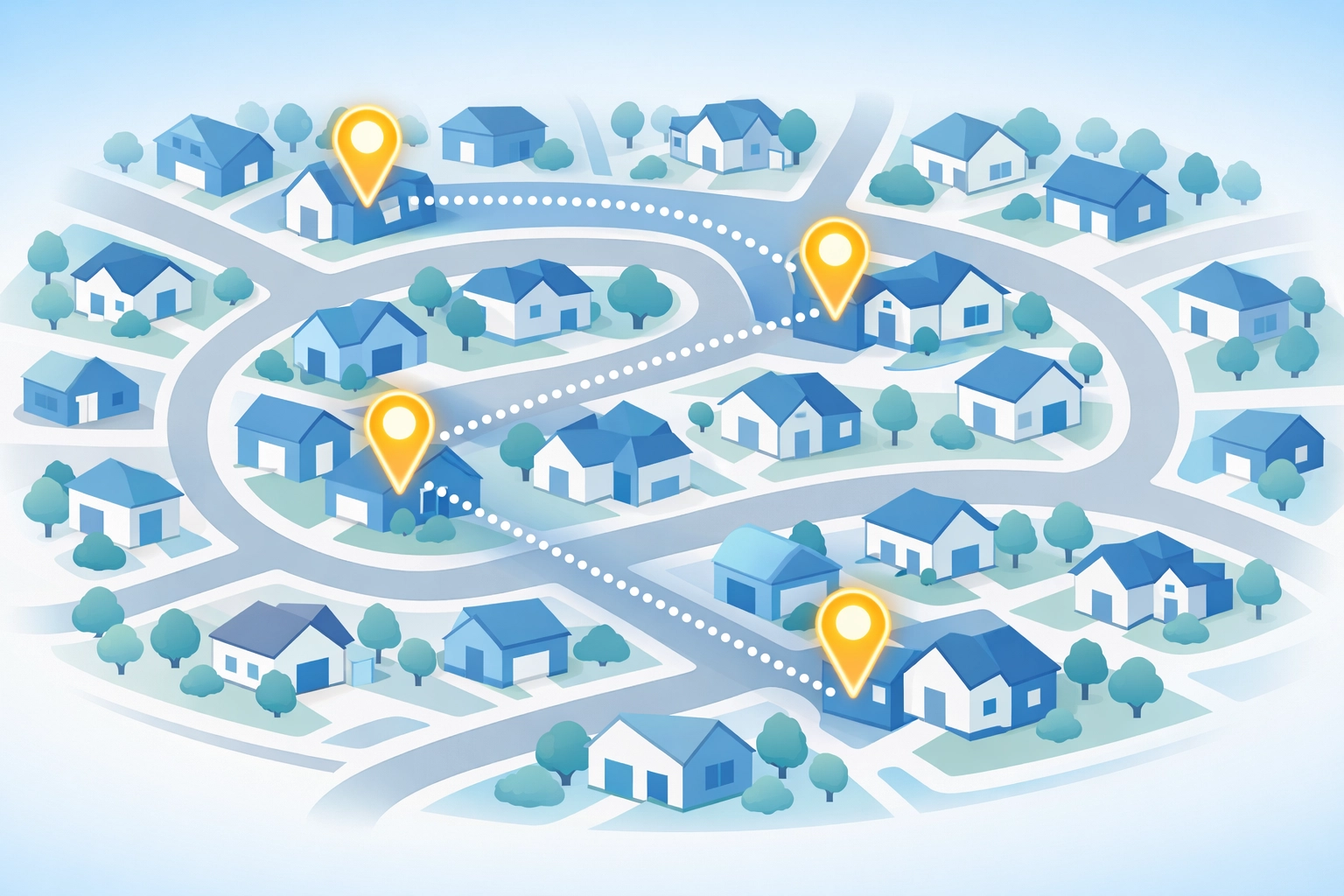
Block-Level Precision: The Game-Changer for Hyper-Local Races
Here's where it gets really powerful for local candidates. National campaigns might target entire media markets or congressional districts. You get to zoom in much, much tighter.
Want to reach every registered Democrat who voted in the last three school board elections within a two-mile radius of your district's middle school? Done. Need to target independent voters in the neighborhoods most affected by the proposed development project? You've got it.
This block-level precision means every dollar works harder. You're not paying to reach voters three counties over who can't vote for you anyway. You're reaching your voters, the ones who'll actually see your name on their ballot.
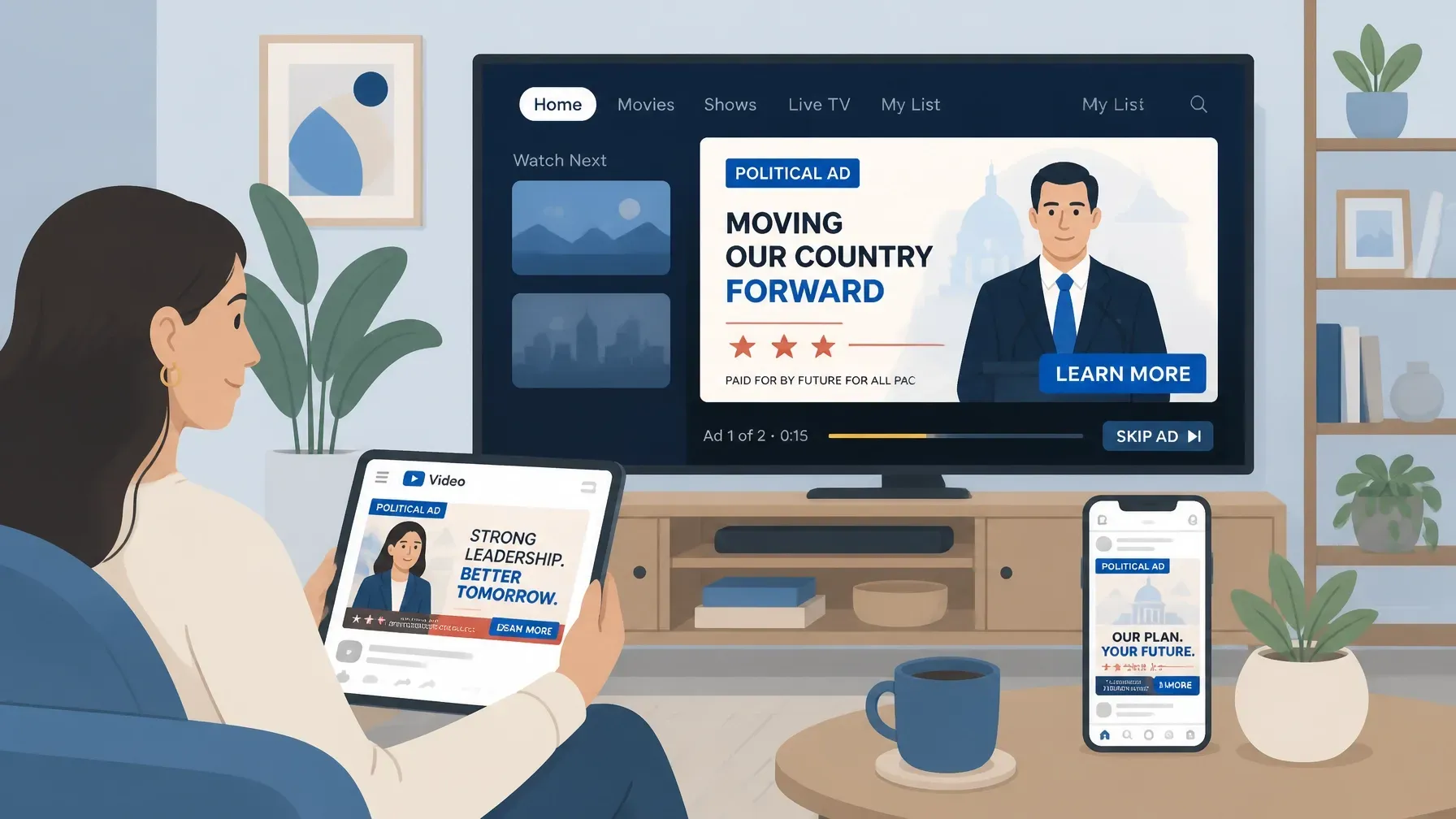
And when your opponent is running old-school cable TV ads that blast across the entire media market, you're running targeted programmatic ads that follow your specific voters across their devices. They're spending five times what you are to reach people who can't even vote in the race. You're spending a fraction of that to reach exactly the right people.
That's not just smart. That's how you level the playing field.
Real Applications: School Board Edition
Let's get specific. You're running for school board and your platform focuses on improving special education services and expanding vocational programs.
With traditional campaign methods, you'd canvas the entire district hoping to find supporters. With voter targeting through platforms like Turn It Blue Ads, you can:
- Identify parents with children in the district using household composition data and filter for those with voting history in local elections
- Target households likely to prioritize education issues based on voter file data combined with consumer behavior indicators
- Reach voters in specific neighborhoods where school boundary changes or facility updates are hot-button issues
- Create custom audiences of teachers, school staff, and education professionals who live in your district
- Exclude voters already committed to your opponent based on contribution data or known support, so you're not wasting impressions
You're not trying to be everything to everyone. You're having focused conversations with the voters who care most about your issues and are most likely to show up on election day.

Real Applications: City Council Edition
City council races have their own unique advantages when it comes to hyper-targeting. Your district might only cover a few square miles and a few thousand voters.
That's not a limitation, it's an opportunity.
Say you're running on a platform that includes affordable housing, small business support, and infrastructure improvements. Your targeting strategy might include:
Homeowners in older neighborhoods where infrastructure issues hit hardest, crumbling sidewalks, outdated water systems, poor street lighting. You can target these voters with messages about capital improvement plans and show them you understand their daily frustrations.
Renters and younger voters concerned about housing costs and development. Reach them with your affordable housing platform and show how you'll fight for policies that keep the community accessible.
Small business owners and entrepreneurs who need a council member who understands economic development. Target based on business owner records and commercial property data.
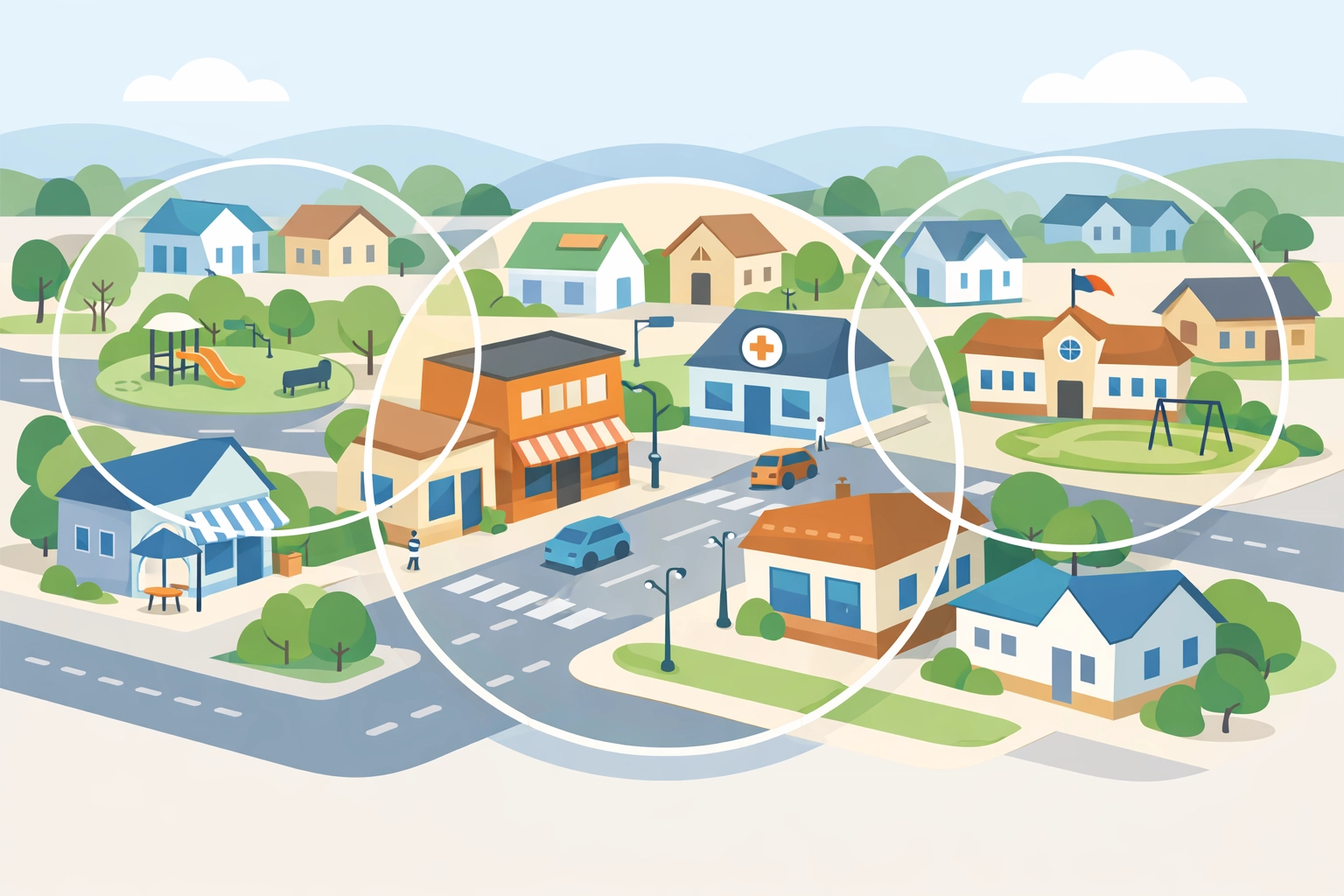
Parents and families near parks or schools affected by your policy proposals. Zone in on the blocks most impacted by your platform.
The incumbent might have name recognition across the whole district. But you've got laser-focused messaging reaching the right voters with the right message at the right time. And when they see your ads on their streaming TV, their mobile devices, and their laptops, all reinforcing the same message, that name recognition gap starts to close fast.
The Turn It Blue Ads Advantage: Launch in Minutes, Not Weeks
Here's where most local candidates hit a wall. They understand targeting matters, but they think accessing these tools requires hiring a high-priced consultant or learning complex ad platforms.
Not anymore.
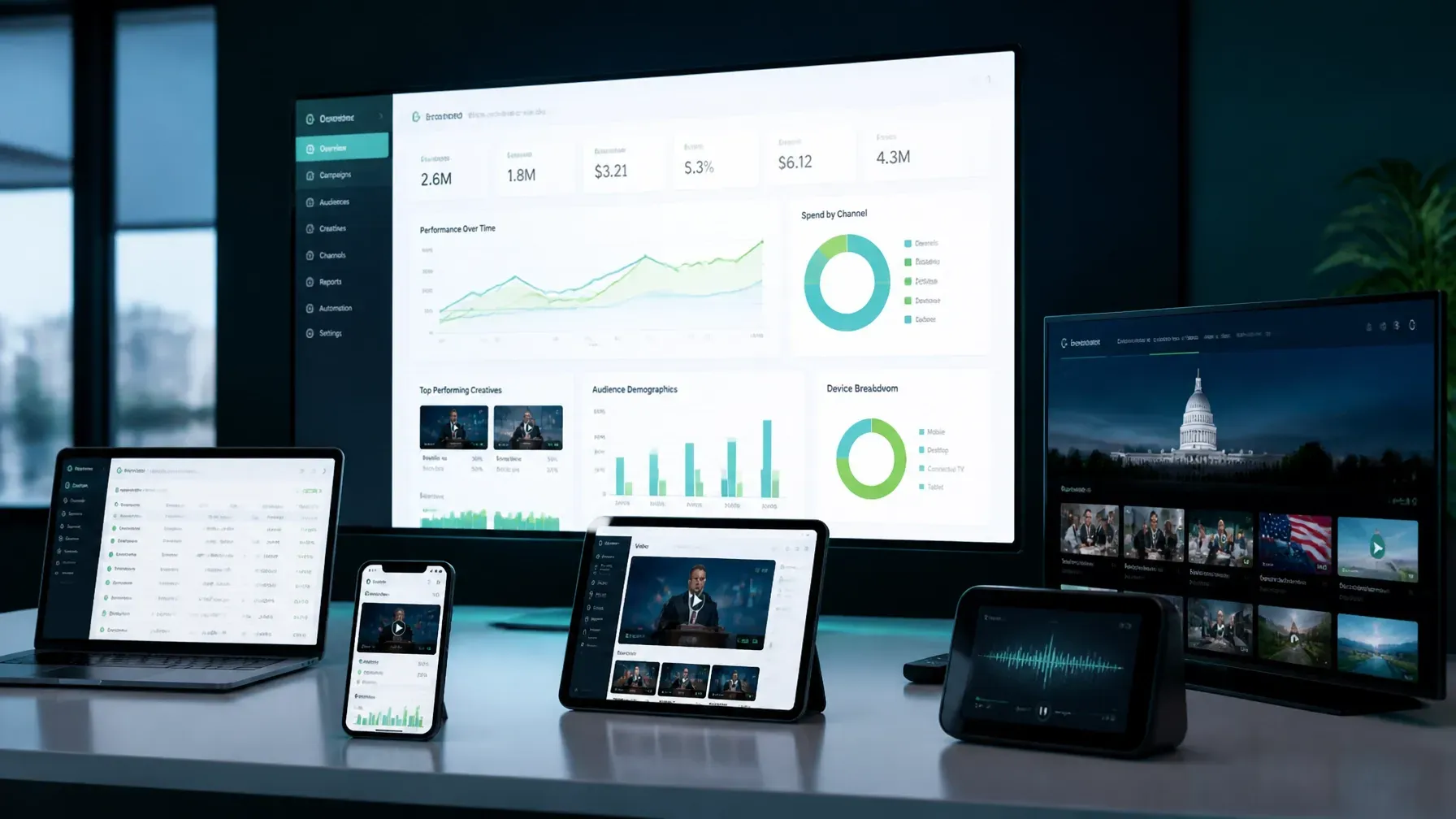
The Turn It Blue Ads platform puts professional-grade voter targeting in your hands, literally. We're talking about campaigns that used to take weeks to plan and launch, now running in minutes.
You get direct access to L2 and Tunnl data right inside the platform. No middleman. No waiting for a consultant to build your audiences. No technical expertise required.
Here's what that looks like in practice:
- Select your target geography (your city council district, school board zone, etc.)
- Layer on voter file criteria (party, voting history, propensity scores)
- Add demographic and psychographic filters based on your platform
- Choose your creative or use our templates
- Set your budget (you can start with as little as $500)
- Launch
The entire process, from login to live campaign, can happen in a single afternoon. Compare that to traditional media buying where you're waiting weeks for proposals, negotiating rates, and hoping your message reaches the right people.
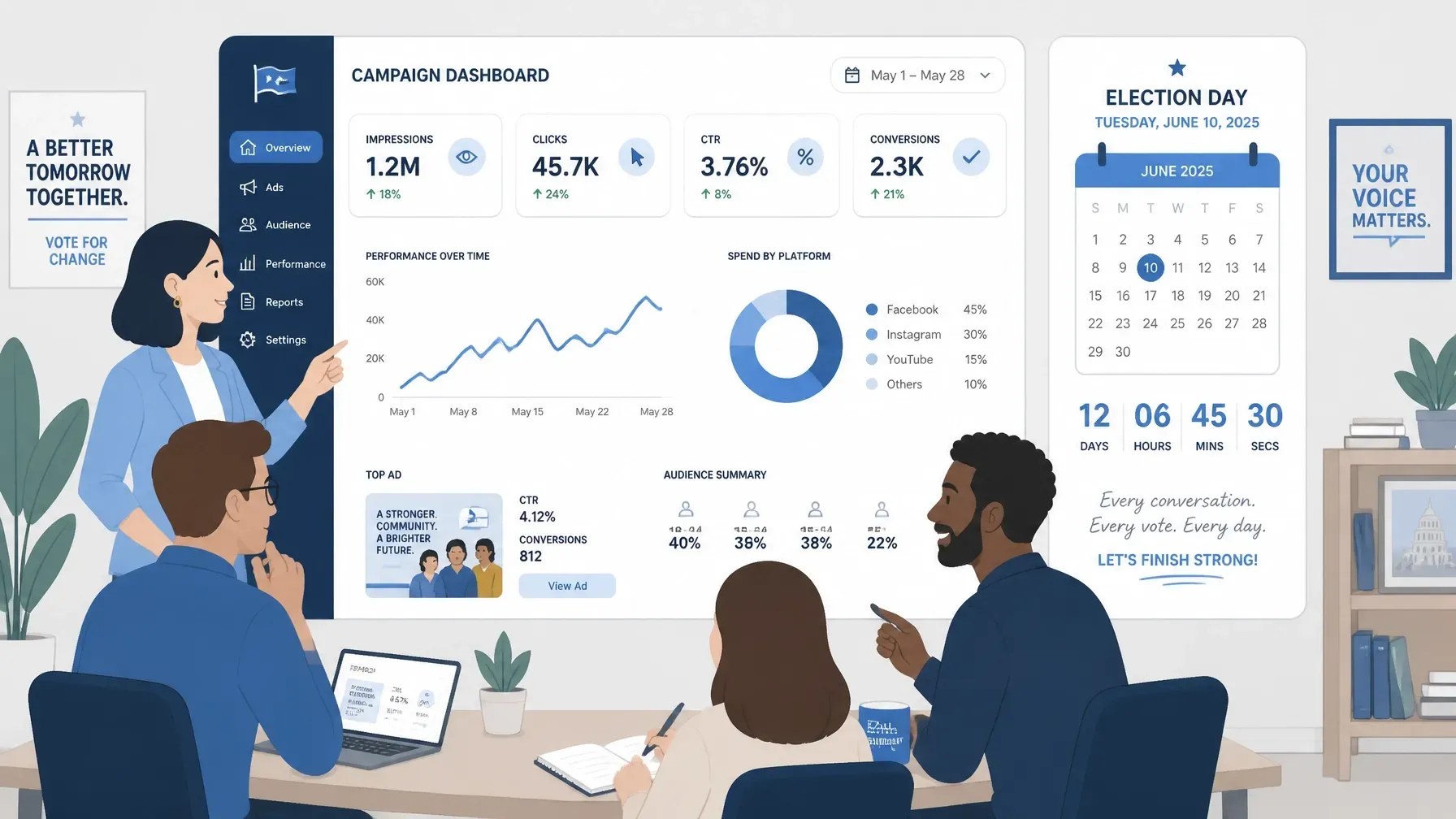
And because you're using programmatic advertising, your campaign automatically optimizes as it runs. The platform identifies which messages perform best with which audience segments and adjusts delivery accordingly. You're getting smarter about your targeting every single day your campaign is live.
The Budget Reality: It's Not About How Much, It's About How Smart
Let's address the elephant in the room. Yes, your opponent might have more money than you. That's the reality in many local races, especially when challenging an incumbent.
But here's what our 85% win rate for clients using the ads platform proves: you don't need a million-dollar budget to win when you're targeting smarter. You need efficiency. You need precision. You need every dollar working as hard as possible.
With hyper-local targeting, a $5,000 digital campaign can generate more meaningful voter contact than a $20,000 traditional media buy. Why? Because you're not paying for waste. Every impression goes to a voter in your district. Every view counts.
We've seen school board candidates win with budgets under $10,000 by using targeted CTV and display ads that reached their specific voters across multiple devices. We've watched city council challengers defeat entrenched incumbents by targeting block-by-block with messages that resonated with neighborhood-specific concerns.
The campaigns that win aren't always the ones that spend the most. They're the ones that spend the smartest.
Why This Matters Right Now
Here's the bigger picture. Local elections determine policies that directly impact daily life: school curriculum, zoning laws, public safety, parks, infrastructure, economic development. These aren't abstract national debates. They're decisions about your community.
But local elections also typically see the lowest turnout. That means every persuaded voter matters even more. That means efficient targeting isn't just nice to have: it's essential.
When you can identify the 500 most persuadable voters in your district and ensure they see your message multiple times across multiple platforms, you're not hoping for visibility. You're guaranteeing it.
And when those voters show up on election day, they'll know your name, understand your platform, and connect your candidacy with the issues they care about most.
That's not magic. That's modern voter targeting combined with a platform designed specifically for campaigns like yours.
Bottom Line: The Playing Field Just Got Level
For too long, hyper-local candidates have been told they can't compete with better-funded opponents or entrenched incumbents. The tools available to presidential campaigns seemed out of reach for school board and city council races.
Those days are over.
Professional-grade voter targeting: the kind that identifies specific blocks, households, and individuals based on comprehensive voter file data: is now accessible to every campaign. The Turn It Blue Ads platform makes it possible to launch sophisticated, data-driven campaigns in minutes, not months.
You don't need to outspend your opponent. You need to out-target them.
And if you're ready to level the playing field in your local race, the tools are waiting. Our team won the 2025 Award for 'Best Political Service Team' from Campaigns & Elections Magazine because we've made it our mission to put professional-grade technology in the hands of every candidate who needs it.
Get started with your targeted campaign today and discover why down-ballot candidates across the country are using voter targeting to win races everyone said they couldn't.
The incumbent's name recognition advantage? It just met precision ad targeting from the leading self-serve political ad platform for Democrats. Game on.
Share this Content!