The State House Playbook: How Down-Ballot Campaigns Use Digital to Win
The State House Playbook: How Down-Ballot Campaigns Use Digital to Win
![[HERO] The State House Playbook: How Down-Ballot Campaigns Use Digital to Win](https://cdn.marblism.com/NLiQ3F1EWxn.webp)
You're running for state legislature. Your opponent has three times your budget, an established donor network, and a consultant on speed dial. Meanwhile, you're juggling a day job, relying on volunteer help, and trying to figure out how to get your message in front of voters without breaking the bank.
Sound familiar?
Here's the truth: down-ballot campaigns have always competed on tighter margins, fewer resources, less name recognition, and a media landscape that largely ignores state house races. But here's the good news. Digital advertising has fundamentally changed the game for state legislative candidates. You don't need a million-dollar war chest to run professional-grade TV ads anymore. You need smart targeting, the right platform, and a willingness to do things differently than the old guard.
Let's talk about how.
The Old Playbook is Broken
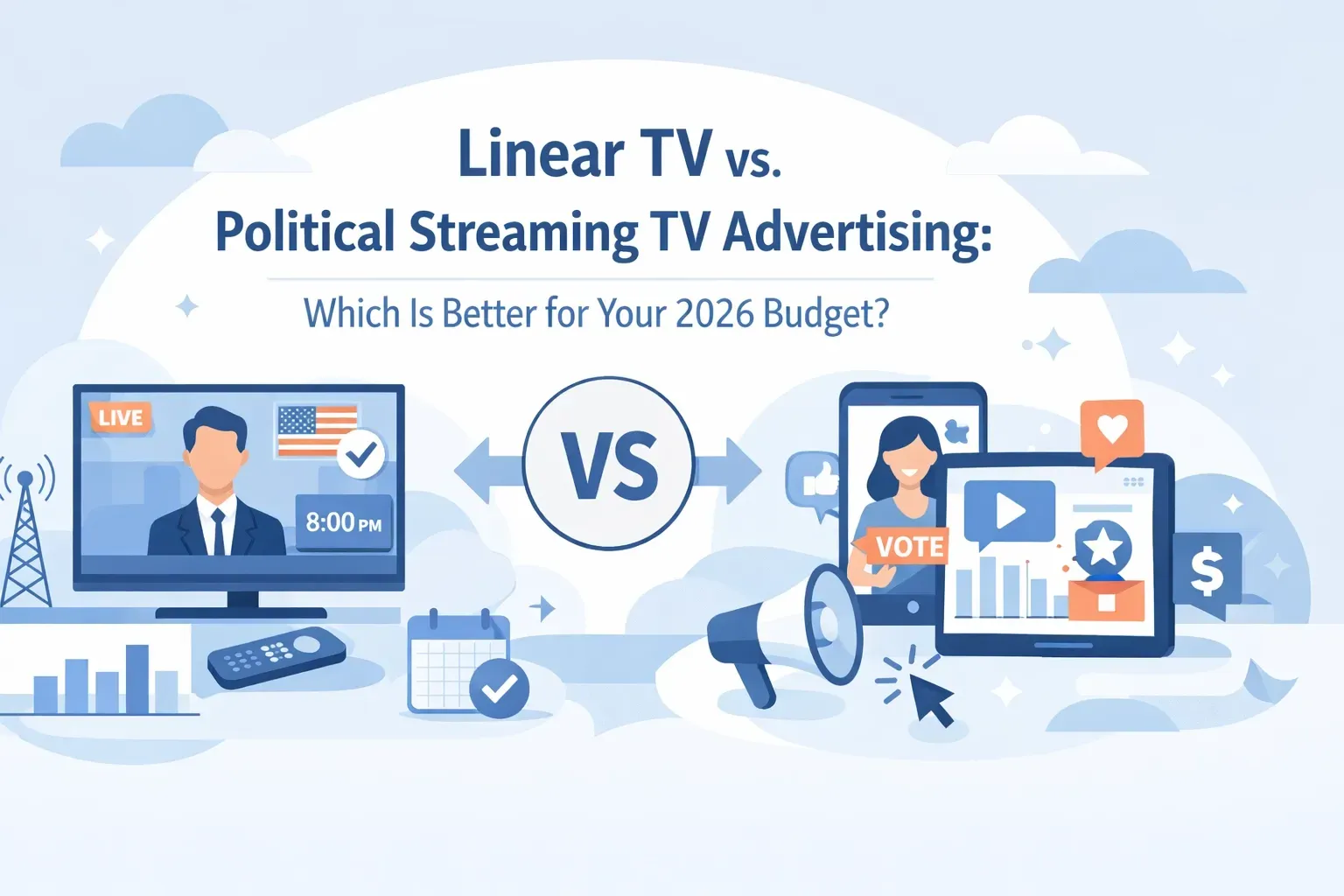
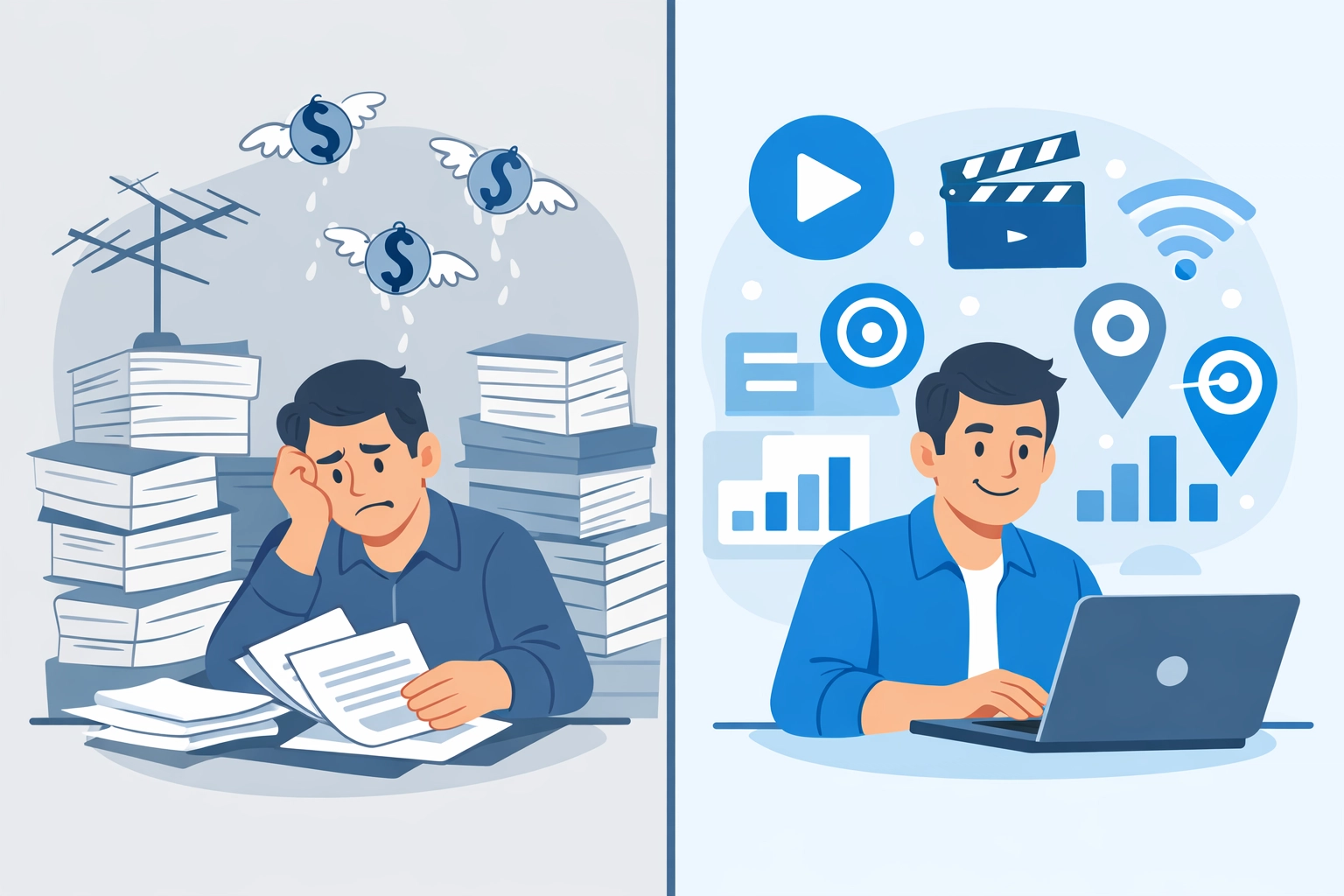
For decades, state house campaigns followed a predictable formula: yard signs, door knocking, maybe a few cable TV spots if the budget allowed. If you wanted to run broadcast TV, you needed deep pockets and an agency relationship. Most down-ballot candidates never got there.
The problem? Broadcast TV is expensive, inefficient, and impossible to target at the district level. You're paying to reach voters who can't vote for you, in media markets that bleed well beyond your legislative boundaries. It's a budget killer.
Meanwhile, your better-funded opponent is buying up airtime and drowning out your message.
But that was the old playbook.
The Digital Advantage: Streaming TV Without the Overhead
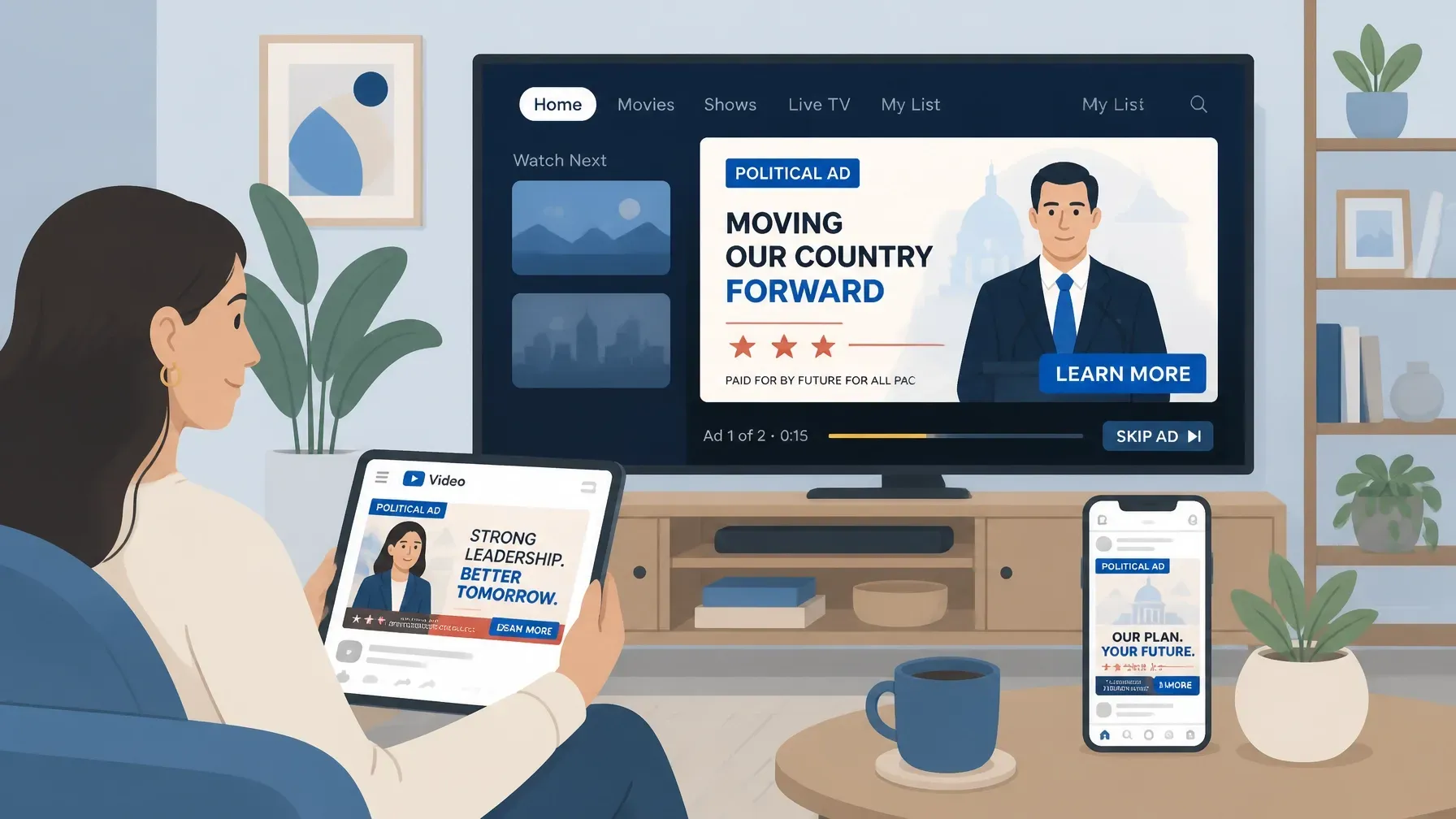
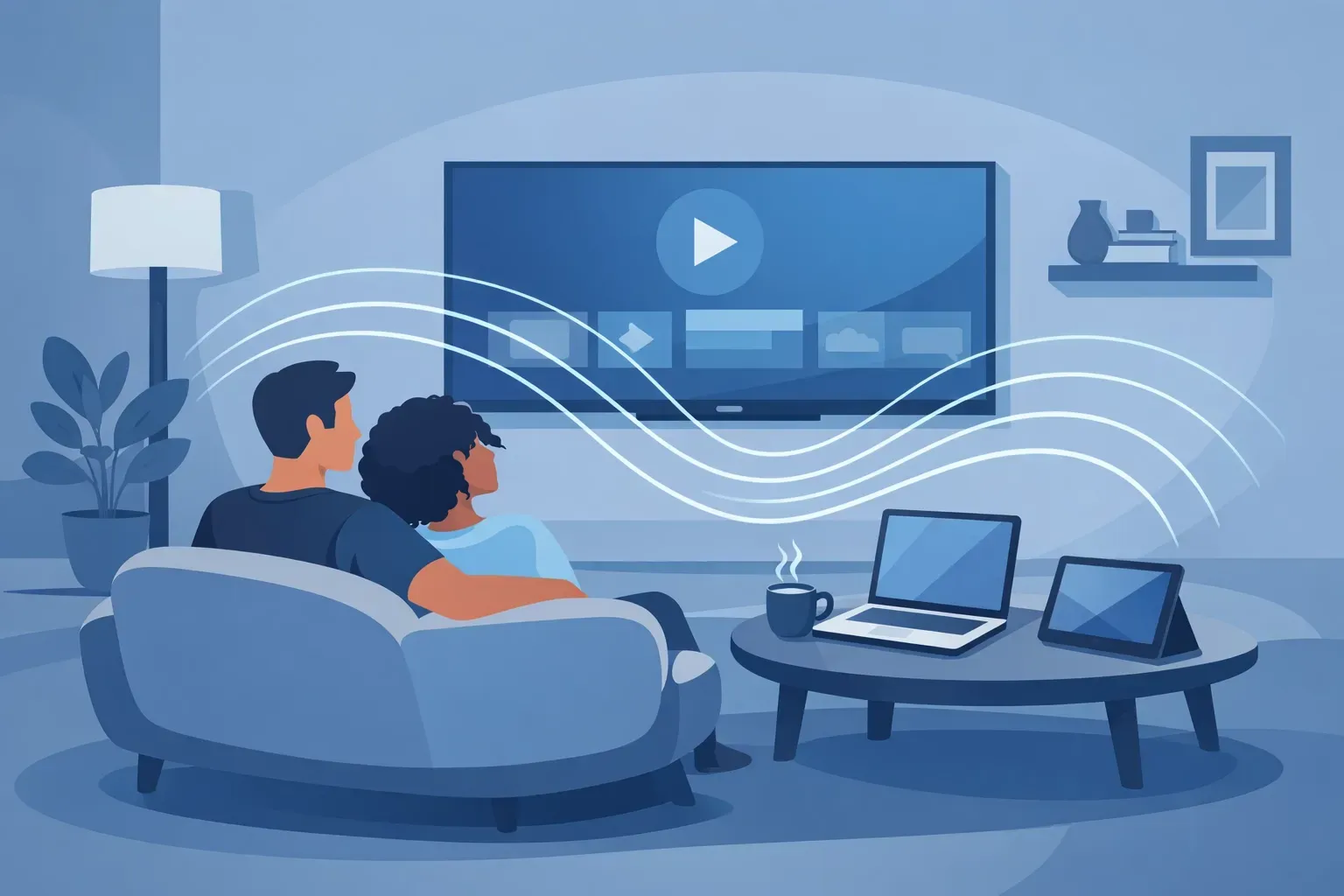
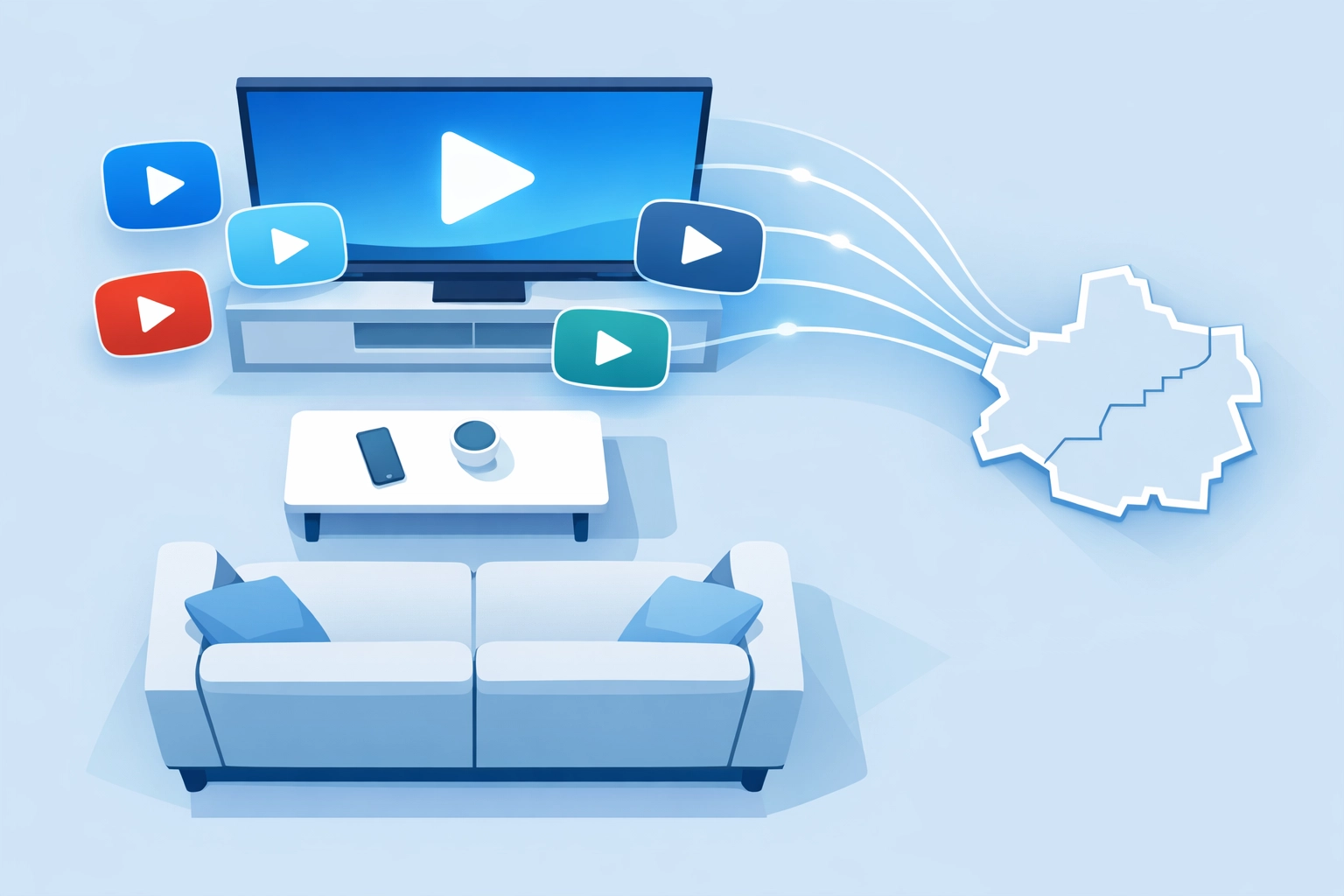
Here's where things get interesting. Connected TV (CTV), streaming platforms like Hulu, Peacock, and Paramount+, has exploded over the past few years. In 2026, more voters are watching streaming TV than traditional cable. And unlike broadcast, CTV is addressable. You can serve your ads to specific households based on voter data, geography, and behavior.
That means you're not wasting budget on voters outside your district. You're reaching persuadable voters inside your state house boundaries with the same professional TV ads your opponent is running, but at a fraction of the cost.
Even better? You don't need an agency to do it anymore.
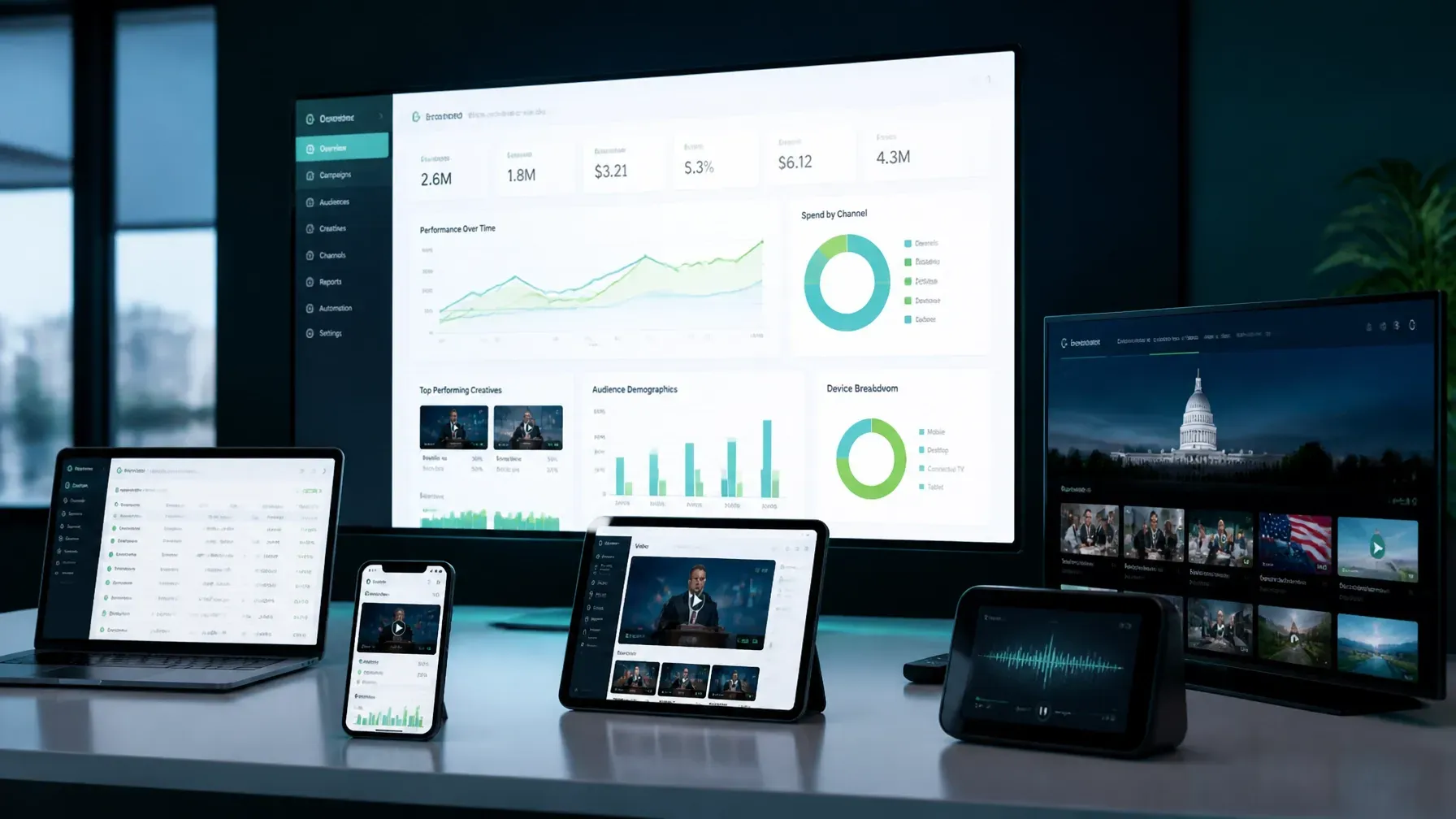
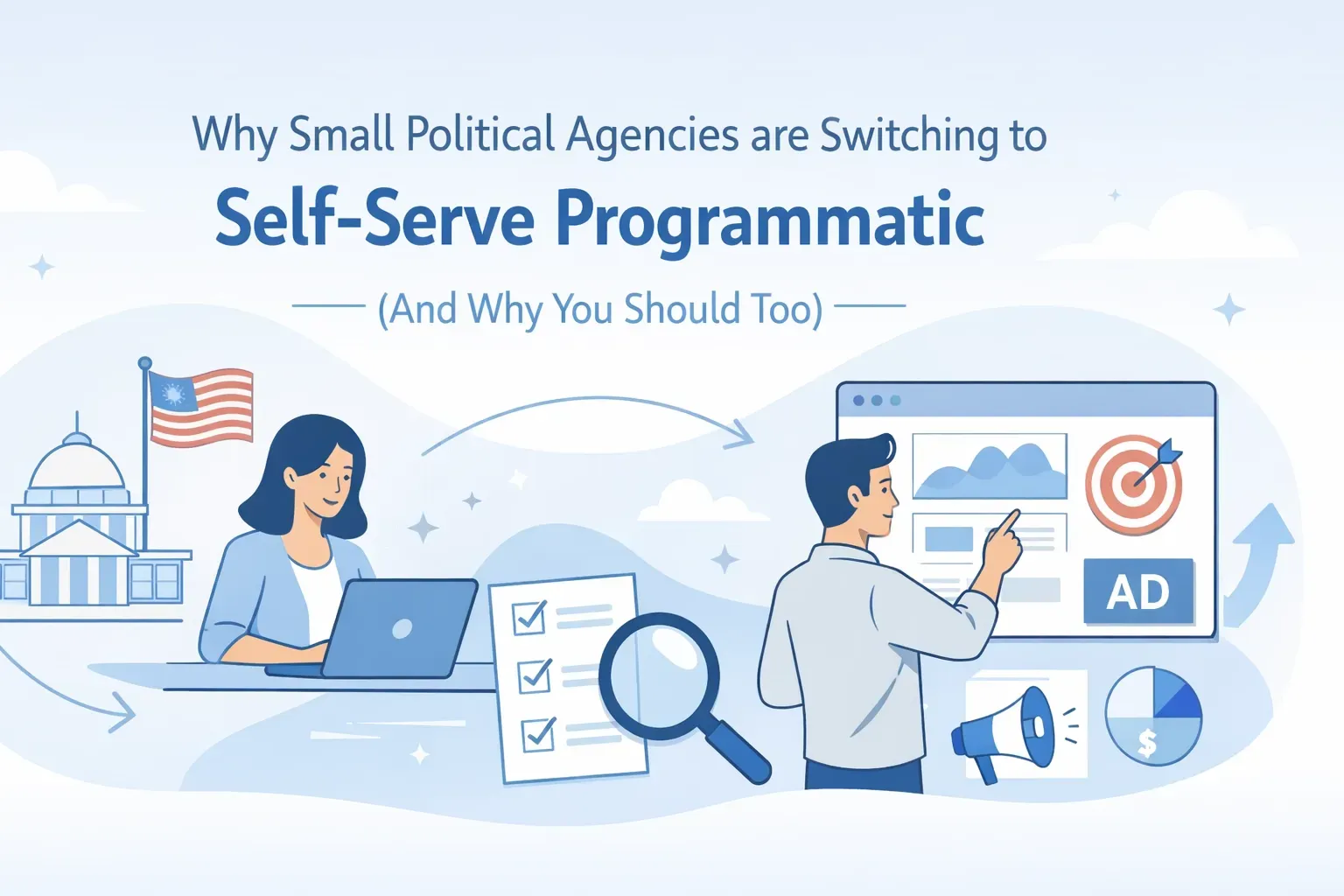
Self-serve programmatic platforms, like Turn It Blue Ads, let you launch CTV and display ad campaigns directly. No middleman. No markup. No waiting weeks for someone else to build your campaign. You can be live in days, sometimes hours, with a starting budget of just $500.
This is the advantage down-ballot campaigns have been waiting for. You can punch above your weight, run sophisticated digital campaigns, and compete with better-funded opponents without needing a massive agency budget.
Hyper-Targeting: The Secret Weapon for State House Races
Let's talk about targeting, because this is where down-ballot campaigns really shine.
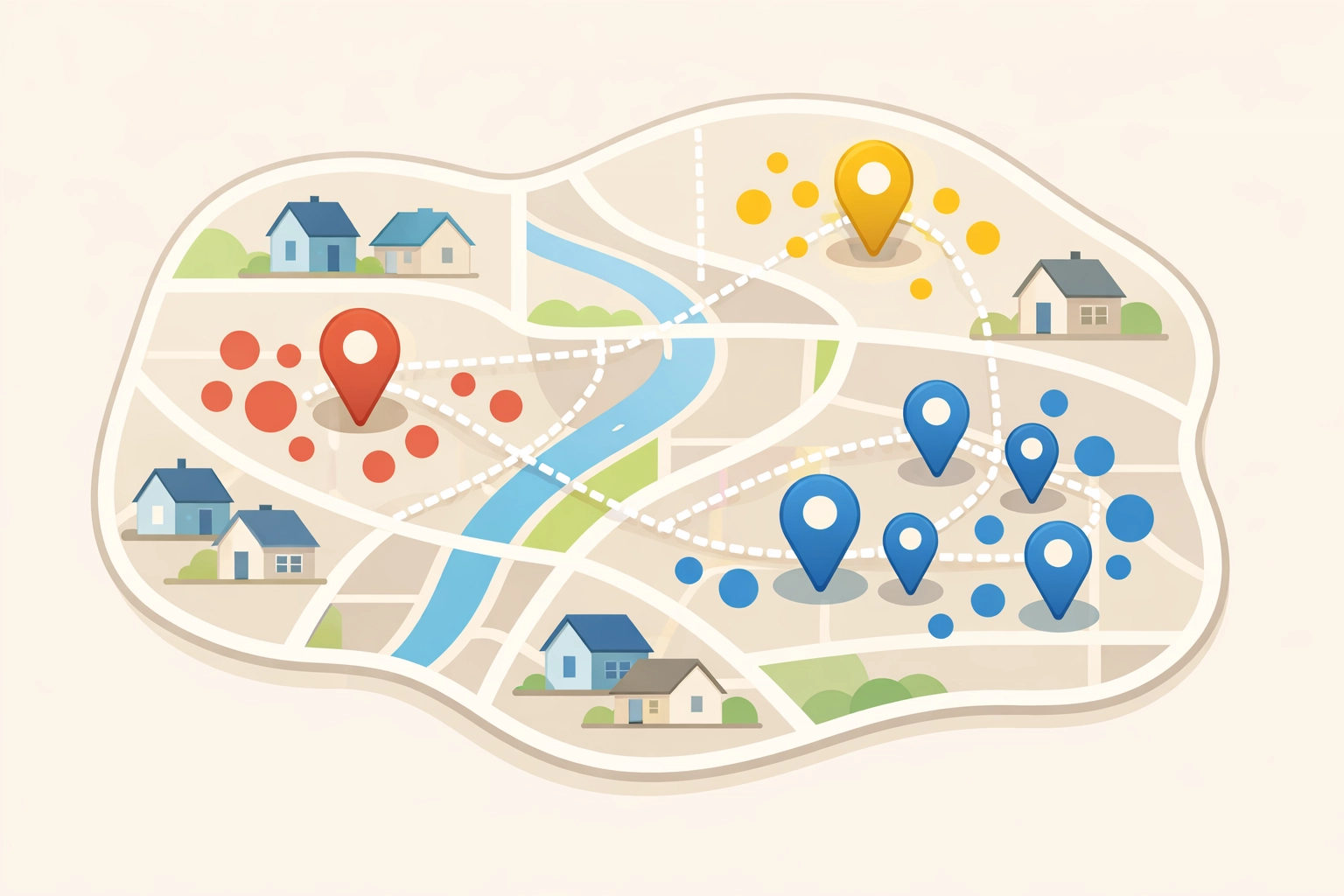
State legislative races are hyper-local. You're not trying to reach an entire state, you're focused on a specific district, often with just 40,000 to 60,000 voters. That means precision matters more than scale. You need to find your voters and reach them repeatedly without wasting a single impression.
This is where voter data becomes your best friend.
Platforms that integrate L2 and Tunnl voter data let you target with surgical precision. L2 gives you access to registered voter files, party affiliation, voting history, demographics. Tunnl layers on psychographic and issue-based targeting, so you can identify voters who care about education funding, healthcare access, or local infrastructure.
You're not guessing. You're reaching the exact households that matter to your race.
Here's how that plays out in practice:
- You can target unaffiliated voters who turned out in the last midterm but skipped the presidential
- You can reach soft partisans who need persuasion messaging in the final weeks
- You can suppress households where your opponent has a lock, saving budget for winnable voters
- You can geo-fence specific neighborhoods or precincts based on past performance data
This level of targeting was once reserved for statewide campaigns with six-figure media budgets. Now? It's available to anyone with $500 and a laptop.
Best Practices for Down-Ballot Digital Campaigns
Running digital ads is one thing. Running them well is another. Here's what actually works for state house races.
Stay Hyper-Local
Your messaging should feel like it's coming from a neighbor, not a generic political campaign. Use local landmarks, reference district-specific issues, and lean into your connection to the community. Voters in state legislative races want to know you understand their problems: potholes on Main Street, overcrowded schools, rising property taxes.
Generic statewide messaging won't cut it. Go local or go home.
Launch Fast, Adjust Often
One of the biggest advantages of self-serve platforms is speed. You don't need to wait for an agency to spin up your campaign. You can launch in days, test creative, and adjust targeting on the fly.
Use this to your advantage. Start early, even if your budget is modest. Run a test flight with one or two creative variations, see what resonates, and scale the winners. You'll learn more in two weeks of live testing than in six months of strategizing.
Frequency Over Reach
In a down-ballot race, frequency matters more than reach. You don't need to blanket the entire district with one impression per household. You need to reach persuadable voters 6-12 times before Election Day to move them.
Think repetition, not mass saturation. It's better to reach 10,000 high-propensity voters ten times than 50,000 voters twice.
Pair CTV with Display
CTV gets your message in front of voters during their downtime: streaming their favorite shows. But you also need display ads to reinforce your message when they're browsing news sites, scrolling social media, or reading local blogs.
Pair CTV and display together for a multi-touch strategy. Voters who see your TV ad and your display banners are far more likely to remember your name and show up on Election Day.
Why Self-Serve Beats the Agency Model for State House Races
Let's address the elephant in the room. Why wouldn't you just hire an agency?
Here's the reality: most agencies don't prioritize down-ballot races. You're competing for attention with congressional campaigns, statewide initiatives, and high-dollar clients. Your $10,000 media budget gets pushed to the back of the line.
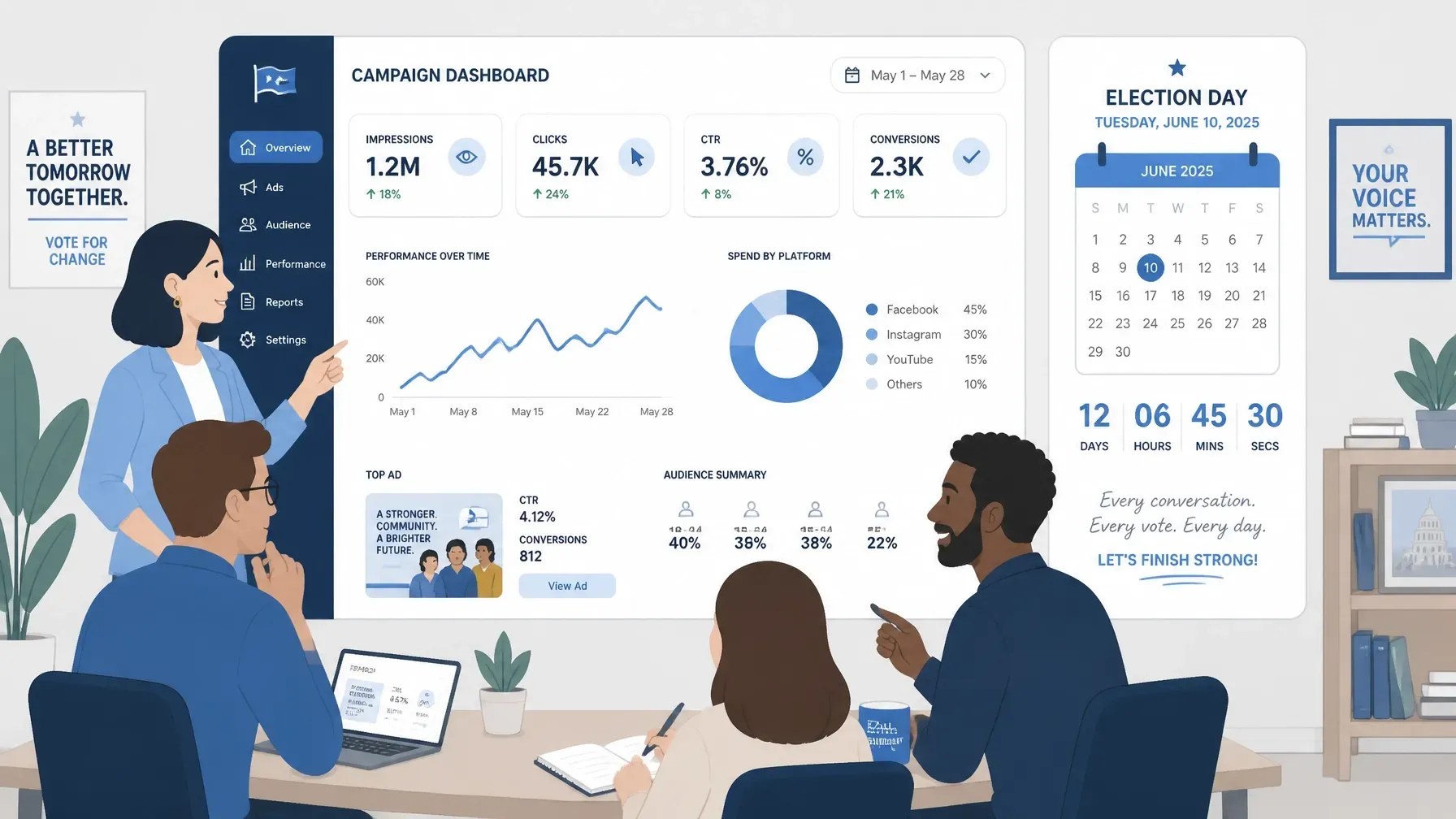
With a self-serve platform, you're in the driver's seat. You control the timing, the messaging, and the budget. You can pivot instantly if polling shifts or your opponent goes negative. You're not waiting for approval from a media buyer who's juggling twenty other clients.
And here's the kicker: our 85% win rate for clients using the Turn It Blue Ads platform speaks for itself. We were named Best Political Service Team by Campaigns & Elections Magazine because we empower campaigns to win: whether you're running for Congress or city council.
You don't need an agency. You need the right tools and the willingness to take control.
The Bottom Line: Efficiency Beats Budget Every Time
Let's be clear. You still need to compete on budget. Your opponent's money matters, and pretending it doesn't is naive. But here's what's changed: efficiency and targeting make smaller budgets far more powerful than they used to be.
A $5,000 CTV campaign with smart targeting will outperform a $20,000 broadcast orcable TV buy that bleeds into the wrong media market. A $500 display flight that reaches high-propensity voters ten times will beat a $2,000 scattershot Facebook campaign every single time.
You're not trying to outspend your opponent. You're trying to outthink them.
Ready to Build Your Digital Playbook?
State house races are no longer the forgotten corner of political campaigns. Digital advertising has leveled the playing field, and candidates who embrace self-serve platforms, voter data targeting, and CTV are winning races they shouldn't—on paper—be able to win.
Get started with Turn It Blue Ads and see how a $500 minimum can launch a campaign that looks and performs like the big leagues. No agency. No middleman. Just you, your message, and the voters who matter most.
Let's turn your district blue: one targeted impression at a time.
Share this Content!