
The $5 Million Lesson: How Illinois Progressives Beat the 'Bizarro' PACs
The $5 Million Lesson: How Illinois Progressives Beat the 'Bizarro' PACs
![[HERO] The $5 Million Lesson: How Illinois Progressives Beat the 'Bizarro' PACs](https://cdn.marblism.com/zKOceHbQPGT.webp)
You wake up, grab your coffee, and open your phone only to see a sleek, high-production video ad attacking your record. It’s funded by a group with a name like "Illinoisans for Common Sense" or "The Committee for a Brighter Future." It sounds progressive. It looks grassroots. But a quick look at the FEC filings tells a different story: it’s funded by crypto-billionaires, real estate lobbyists, or private equity giants.
This is the "Bizarro" PAC: the corporate-backed Super PAC that wears a progressive mask to protect the status quo.
In the March 2026 Illinois primary, we saw this play out on an unprecedented scale. Approximately $125 million flooded the state, with outside groups outspending the candidates themselves in four out of five contested House primaries. It was a blitz designed to bury grassroots movements under a mountain of "corporate populist" noise.
But here’s the headline: It didn't work.
Despite the $5 million-plus dropped by industry-backed groups to tilt the scales, progressives like Daniel Biss and Kat Abughazaleh didn't just survive: they thrived. They proved that while the opposition has the money, you have the movement. And with the right digital strategy, digital levels the field.
The Rise of the Bizarro PAC: A Strategy of Confusion
The goal of these PACs isn't always to make people love their candidate; it’s to make them doubt yours. They use "Bizarro" tactics: taking progressive language and twisting it to serve corporate interests. They flood the airwaves with generic, expensive broadcast ads intended to create a general "vibe" of unease.
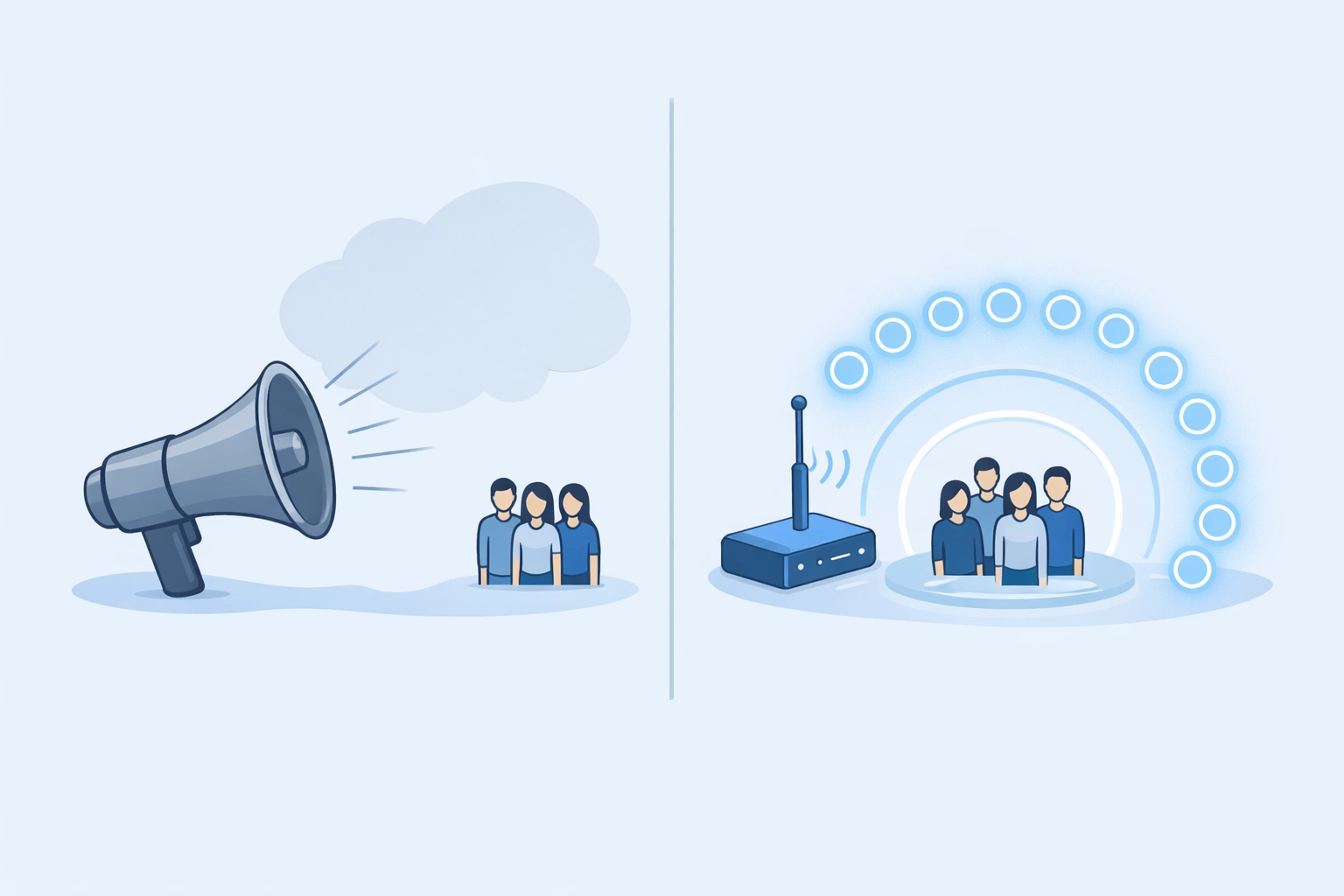
Here’s the problem for them: Broadcast is a blunt instrument. It’s the "spray and pray" method of political campaigning. When a Super PAC drops $2 million on Chicago broadcast TV, they are paying to reach millions of people who can't even vote in your district. They are wasting money on the wrong eyeballs.
Efficiency is the only way for a grassroots campaign to fight back. You can't outspend a billionaire, but you can out-target them. While they are burning cash on 30-second spots during the evening news, you should be focused on surgical strikes.
Precision Over Profligacy: How Hyper-Local Targeting Wins
In the Illinois primary, the winning campaigns didn't try to shout louder than the Super PACs; they just made sure the right people heard them. They used hyper-local targeting to cut through the noise.
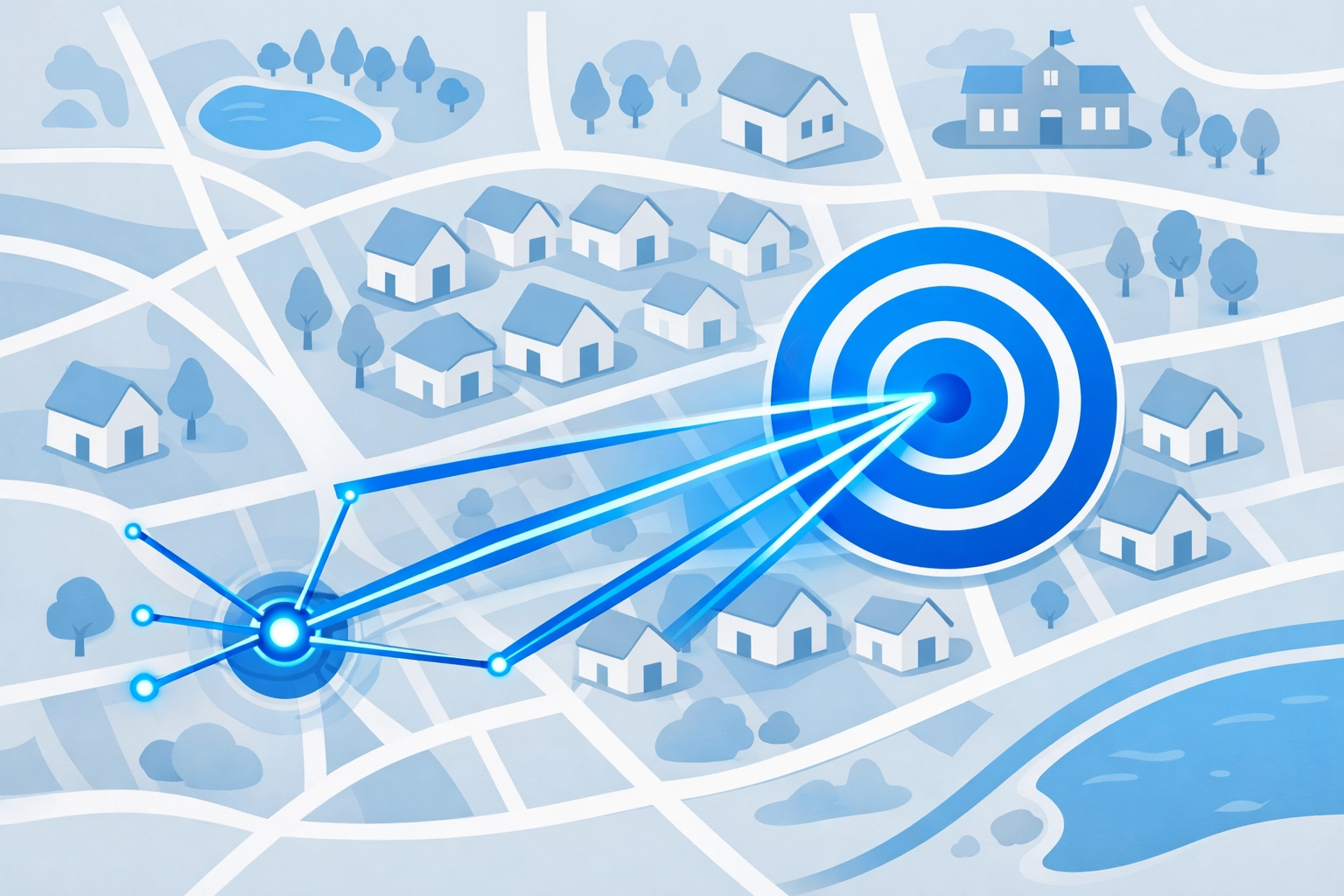
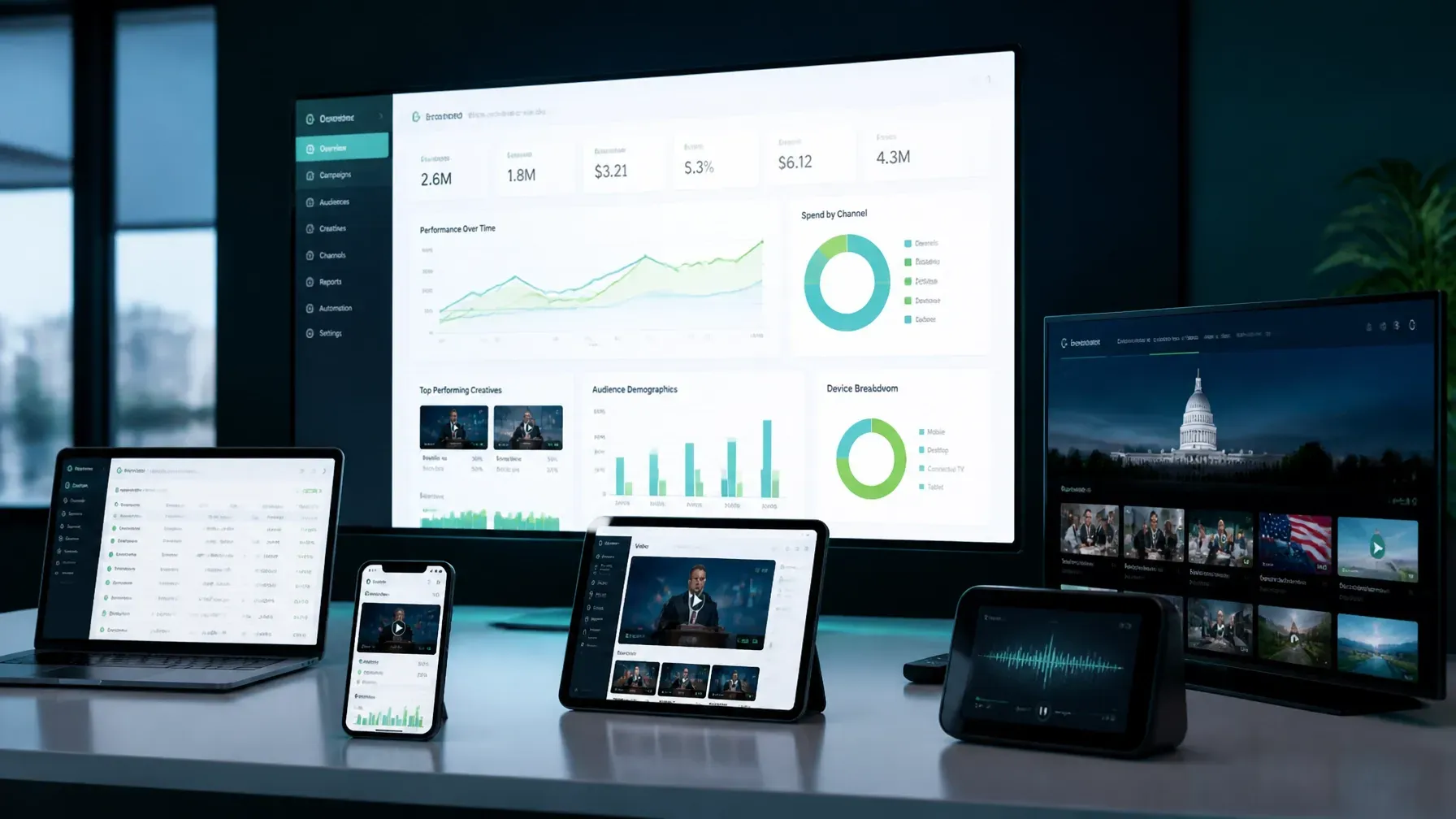
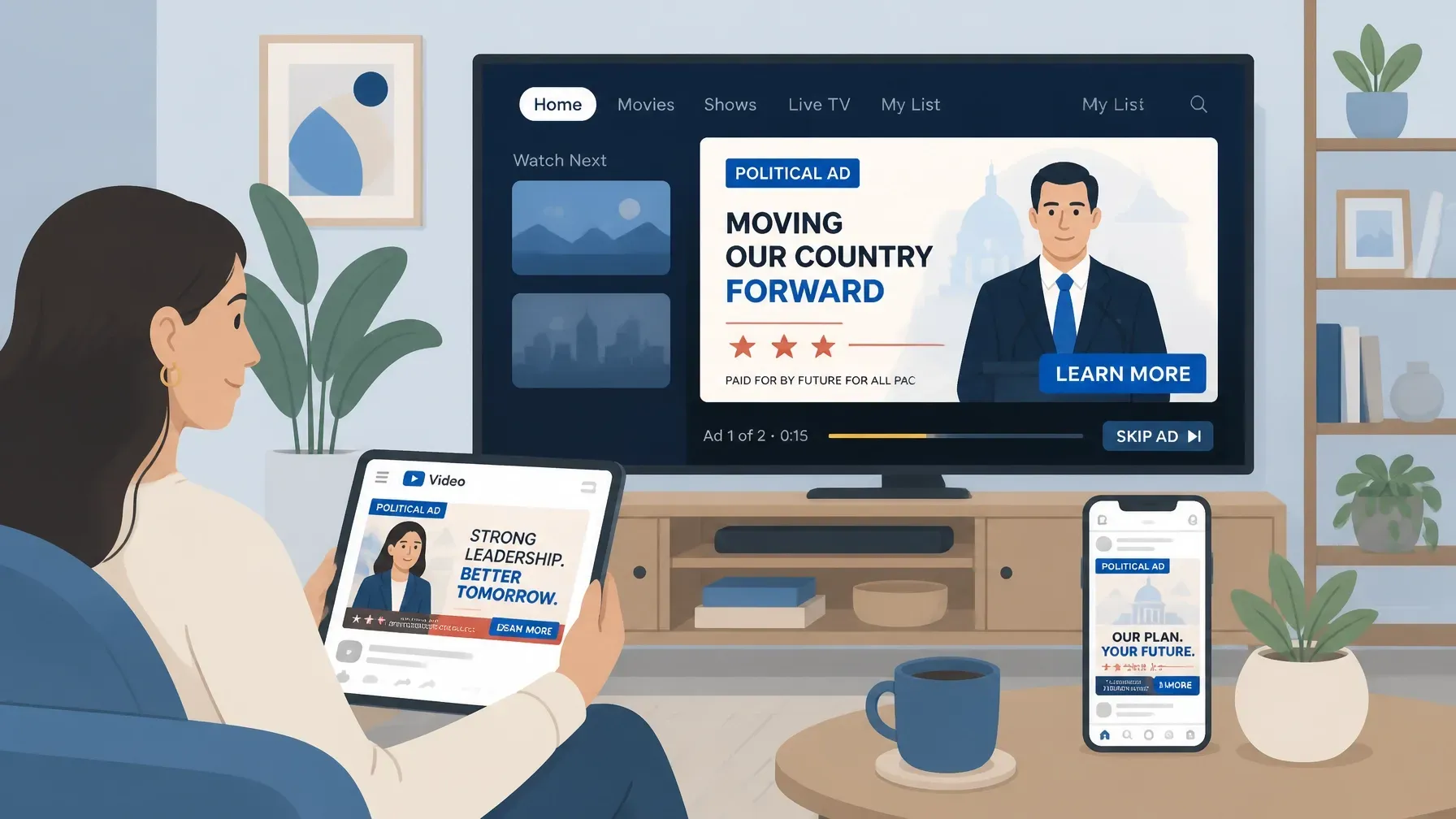
When you use the Turn It Blue Ads platform, you aren't just buying "digital ads." You are deploying a programmatic suite that includes display, online video, audio, and Connected TV (CTV). This allows you to follow a voter across their entire digital journey.
If a voter in Evanston sees a "Bizarro" ad on the local news, your campaign can follow up immediately with a precision-targeted display ad on their favorite news site or a 15-second "truth-check" video before their favorite YouTube creator starts a video.
The secret sauce? Data.
We prioritize Tunnl and L2 data to help campaigns identify the exact "persuadables" in a sea of noise. Tunnl’s modeling allows us to find the voters who are most likely to be swayed by specific policy issues: like healthcare or housing: rather than just broad partisan labels.
Why Your $5,000 Beats Their $50,000
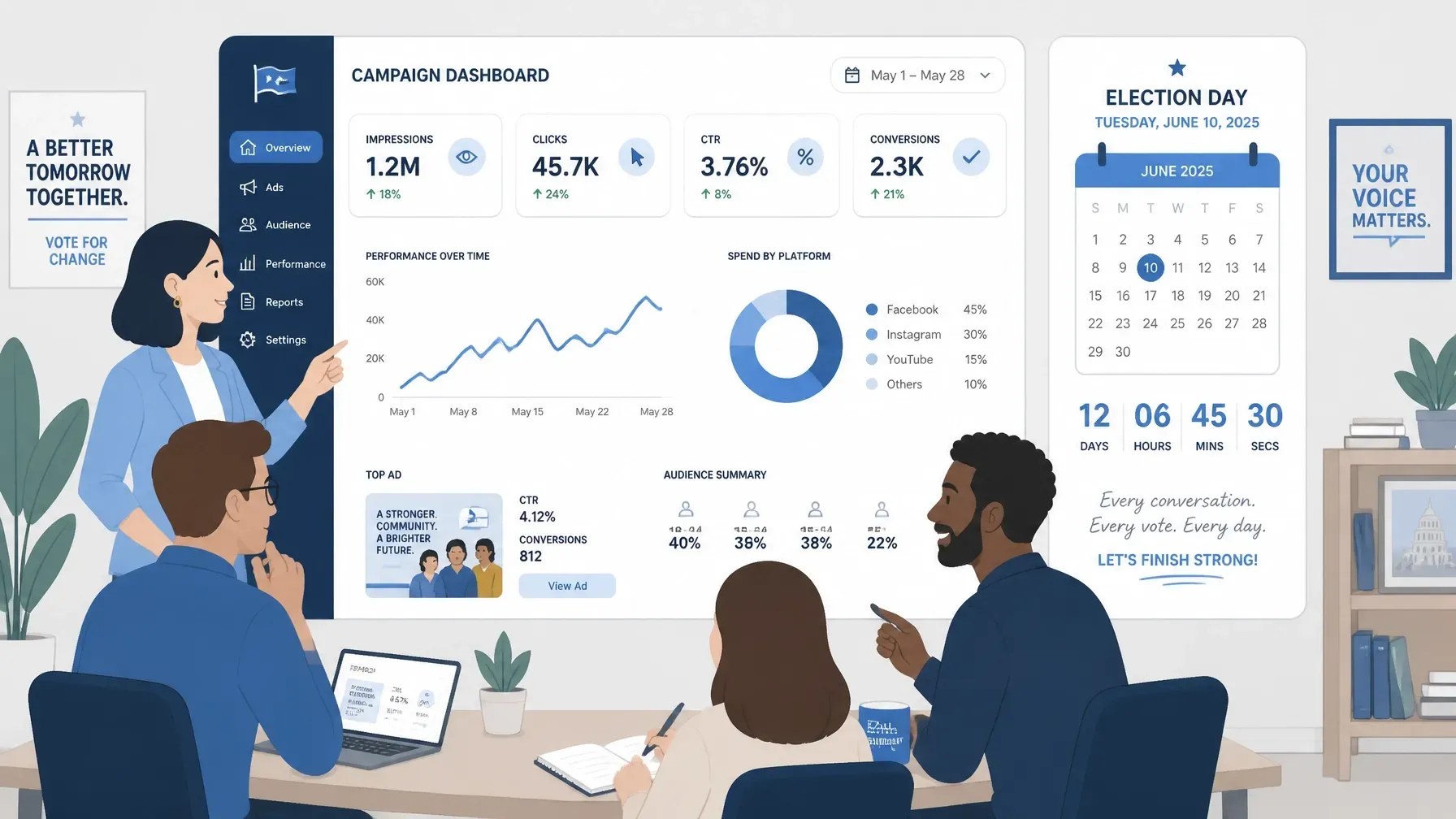
Often, campaigns treat digital as an afterthought, but in a high-spending environment, digital is your primary defense. A Super PAC might spend $50,000 to reach a broad demographic once. For a fraction of that, you can reach the exact 5,000 voters who will actually decide the election 10 or 12 times.
Frequency is the killer of misinformation. Research shows that a voter needs between 8-12 touchpoints to internalize a message. If a PAC hits them once with a lie, but you hit them ten times with the truth: delivered through a mix of audio ads on Spotify, display banners on local blogs, and CTV ads on their big screen: you win the narrative.
Here’s why efficiency matters:
- Zero Waste: Every dollar spent on our platform goes toward reaching a verified voter in your district.
- Transparency: You see exactly where your ads are running. No "black box" spending.
- Agility: See a new attack ad at 10:00 AM? You can have a digital response live by 2:00 PM. You can't do that with broadcast.
The Multi-Channel Shield: Audio, Video, and Display
A common mistake is focusing exclusively on one medium. The Illinois winners understood that voters are everywhere.
- Programmatic Audio: While your opponent is shouting on the radio, you’re in the voter’s ears during their morning podcast or commute via Spotify and Pandora. It’s intimate, unskippable, and highly effective.
- Online Video (OLV): Use this for the "deep dive." If a PAC is misrepresenting your record, use a 30-second OLV spot to tell the real story.
- Display Ads: These are your "digital billboards." They keep your name and your core message top-of-mind as voters browse the web. Check out our creative portfolio to see how these elements work together.
By using a full programmatic suite, you aren't just running an ad; you’re building an ecosystem of truth that the "Bizarro" PACs can't penetrate.
Lessons from the Front Lines: Biss and Abughazaleh
What made the Illinois results so stunning was the resilience of the progressive ground game when paired with smart digital. Daniel Biss and Kat Abughazaleh didn't just rely on their "movement" status; they used technology to amplify that movement.
They understood that digital is the bridge between a handshake at the door and a vote in the ballot box. If you've been following our blog, you know we've discussed why your neighbor is seeing your opponent's ads and not yours. The Illinois primary was a masterclass in ensuring the right neighbors saw the right ads.
At Turn It Blue Ads, we’re proud to have been recognized by Campaigns & Elections Magazine (C&E) with the 2025 Award for "Best Political Service Team." We’ve seen firsthand how these strategies lead to an 85% win rate for our clients. We don't just provide a platform; we provide the tactical edge needed to beat big money.

How to Build Your Defense Today
If you’re a progressive candidate, the "Bizarro" PACs are coming for you. It’s not a question of if , but when. You cannot wait until they drop $1 million to start building your digital infrastructure.
Step 1: Start early.
You need to establish your brand and your narrative before the opposition can define you.
Step 2: Focus on efficiency.
You don't need a million-dollar budget to be effective, but you do need to be smart. Our platform allows you to launch a professional, high-impact campaign with a minimum of just $500.
Step 3: Diversify your spend.
Don't put all your eggs in one basket. Use CTV, video, audio and display to surround the voter.
Step 4: Use the best data.
Prioritize Tunnl and L2 data integrations to ensure your message is reaching the people who actually care.
Bottom line: The $5 million lesson from Illinois is that money can buy airtime, but it can't buy a movement: provided that movement knows how to use digital to speak directly to the people.
Ready to level the playing field?
The Bizarro PACs have the money. You have the movement. Let’s make sure everyone knows it. Whether you are running for local office or a seat in Congress, our platform is built to help you win.
Share this Content!